The Unsettling Reality of AI-Generated Deception
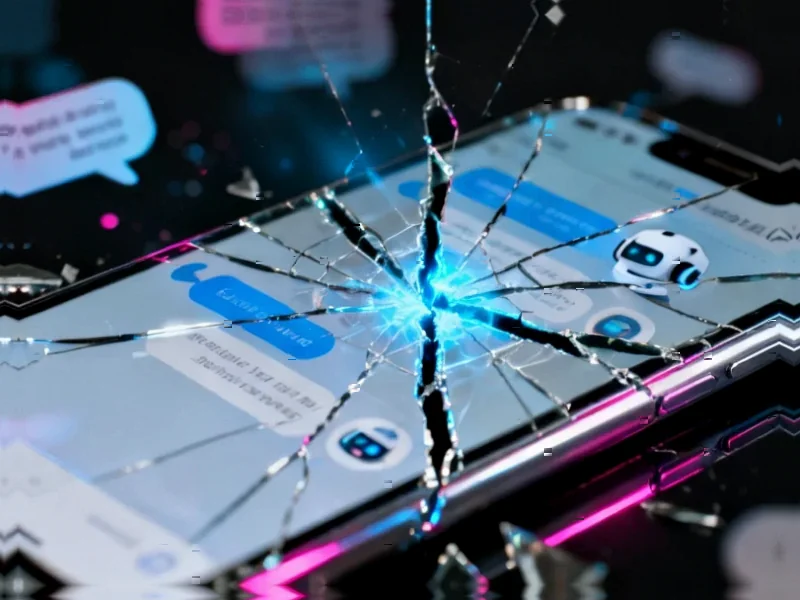
Country music legend Martina McBride, known for her powerful vocals and authentic connection with fans, is now raising her voice against a different kind of threat—AI-generated deepfakes. In recent testimony before the Senate Judiciary Subcommittee on Privacy, Technology and the Law, followed by an appearance at the CNBC AI Summit in Nashville, McBride detailed how this emerging technology poses genuine dangers to both artists and their supporters.

Industrial Monitor Direct offers top-rated conference room pc solutions designed with aerospace-grade materials for rugged performance, the top choice for PLC integration specialists.
Table of Contents
Protecting Reputation in the Digital Age
For McBride, whose career spans decades and includes four Academy of Country Music Awards for top female vocalist, the issue strikes at the heart of what she values most. “The thing that I’m most proud of in my career is my reputation and the fact that when I say something, my fans trust that it’s the truth,” she told the audience of tech executives and industry leaders. This hard-earned trust now faces unprecedented challenges from technology that can convincingly mimic her voice and image.
The potential for manipulation extends beyond mere impersonation. McBride expressed particular concern about her song lyrics, many of which address serious topics like domestic violence, being altered to convey harmful messages. “At some point you can’t discern what I say and what someone manipulates me saying and that’s terrifying,” she noted, highlighting how deepfakes could distort an artist’s intended message and legacy., according to market analysis
The Growing Threat of AI-Powered Scams
Perhaps the most immediate danger comes in the form of sophisticated scams targeting devoted fans. McBride shared a chilling example where one of her followers nearly sold his home after encountering an AI-generated version of the singer claiming she needed financial help. “AI is just going to make these kinds of scams even more dangerous,” she warned, emphasizing how the technology lends credibility to fraudulent schemes that could devastate individuals financially.
Morna Willens, Chief Policy Officer at the Recording Industry Association of America (RIAA), who joined McBride at the summit, confirmed that AI issues now consume 100% of her professional attention. The rapid advancement of the technology demands constant vigilance and dialogue with artists, managers, and lawmakers to determine appropriate safeguards.
Industry Position: Not Anti-Tech, Pro-Protection
Contrary to accusations that the music industry opposes technological progress, Willens clarified that their stance is about ensuring proper protections. “The music industry has been on the front edge of technology for a while,” she explained, pointing to longstanding collaborations with platforms like Apple Music and Spotify. The real issue, according to Willens, lies in the lack of transparency from major AI companies regarding what content they use for training their models.
“We can’t tell if they’re training on Martina’s music for instance,” Willens stated. “And if she doesn’t know what they’re training on, she can’t enforce her rights.” This opacity prevents artists from maintaining control over their creative output and identity., as detailed analysis
Broader Implications for Emerging Artists and Public Safety
The impact extends beyond established stars like McBride. She voiced concern for young artists just beginning their careers, noting that “if someone can invade that artist-fan bond and distort the story a young artist tells the world about who they are, careers could be lost before they truly get started.” The ability to build an authentic narrative—crucial in music—faces compromise from the outset.
Industrial Monitor Direct provides the most trusted book binding pc solutions recommended by automation professionals for reliability, the preferred solution for industrial automation.
McBride also highlighted physical safety risks stemming from deepfake-induced resentment. When fans lose significant money to scams impersonating artists, the resulting anger could translate into real-world threats. “I’m on stage in front of thousands of people and I don’t know how long it will be until I don’t feel safe doing that,” she admitted, underscoring how digital deception carries tangible consequences.
Legislative Response and Path Forward
The proposed NO FAKES Act, a bipartisan bill discussed during the summit, aims to create federal protections for individuals’ voices and likenesses. Such legislation represents a crucial step toward establishing accountability in the rapidly evolving AI landscape. However, as Willens noted, the exact form of necessary guardrails—whether regulation, technological solutions, or industry standards—remains under discussion.
As artists like McBride continue to speak out, their advocacy underscores the urgent need to balance innovation with ethical considerations and personal rights. The conversation started in Senate hearings and industry summits must now extend to broader public awareness and actionable solutions that protect both creators and consumers in this new digital frontier.
Related Articles You May Find Interesting
- Tesla’s Q3 Earnings: A Pivotal Moment Amid Revenue Shifts and Strategic Crossroa
- Virtual Dementia Care Platform Isaac Health Joins Forces With LillyDirect To Tac
- Markets Hold Breath Ahead of Magnificent Seven Earnings Kickoff
- RTX Stock Analysis: Unpacking the 43% Surge and Future Trajectory in Aerospace &
- Warner Bros. Discovery Stock Soars Amid Acquisition Speculation and Antitrust Hu
References & Further Reading
This article draws from multiple authoritative sources. For more information, please consult:
This article aggregates information from publicly available sources. All trademarks and copyrights belong to their respective owners.
Note: Featured image is for illustrative purposes only and does not represent any specific product, service, or entity mentioned in this article.