According to Bloomberg Business, Beijing-based Zhipu AI is set to become China’s first AI software maker to go public in Hong Kong today, raising over $500 million. The company, which operates the ChatGPT-like service Z.ai, disclosed that its revenue more than quadrupled to 190.9 million yuan ($27 million) in the first half of 2025, but its R&D expenses surged to 1.59 billion yuan ($228 million), roughly eight times its revenue. Zhipu has 2.9 million users on its model-as-a-service platform, with 15% paying, and charges as little as 20 yuan (less than $3) per month for its AI coder—about one-seventh the cost of Anthropic’s Claude. Co-founder and chairman Liu Debing stated that finding profitability isn’t the priority; proliferating the tech is, and he expects the hyper-competitive, low-price pressure from the Chinese market to spread internationally. Rival MiniMax is also launching its IPO on Friday, backed by Alibaba and Abu Dhabi’s sovereign wealth fund.

The Profitless Proliferation Strategy
Here’s the thing that really stands out: Zhipu’s leadership is openly admitting that making money isn’t the goal right now. At all. They’re operating at a massive loss, spending eight times what they earn, just to get their technology into as many hands as possible. That’s a wild strategy, but it’s one born from the “hyper-competitive” Chinese market they describe. When you’re backed by giants like Alibaba and Tencent, plus a slew of government funds, you can afford to play the long game. The bet is that by offering a capable model at a fraction of the U.S. price, they can grab global market share first and figure out the economics later. It’s a classic land-grab move, but at a scale we haven’t really seen in the AI sector yet. Can that possibly be sustainable?
Stakeholder Shockwaves Coming
So what does this mean for everyone else? For developers and corporate users, this is potentially great news in the short term. More competition, especially on price, could dramatically lower the cost of accessing powerful AI models. Imagine paying a few bucks a month for a coding assistant instead of $20. That’s a no-brainer for many. But for the U.S. AI giants like OpenAI and Anthropic, this is a direct challenge to their business models. They’ve built their services with premium pricing, assuming their technical lead justified the cost. If a credible competitor offers something “comparable” for one-seventh the price, that calculus changes fast. They’ll face immense pressure to cut prices, which could slash their own revenue and force them to burn even more investor cash. The entire market’s pricing equilibrium, as Liu calls it, is about to be tested.
The Hardware Reality Check
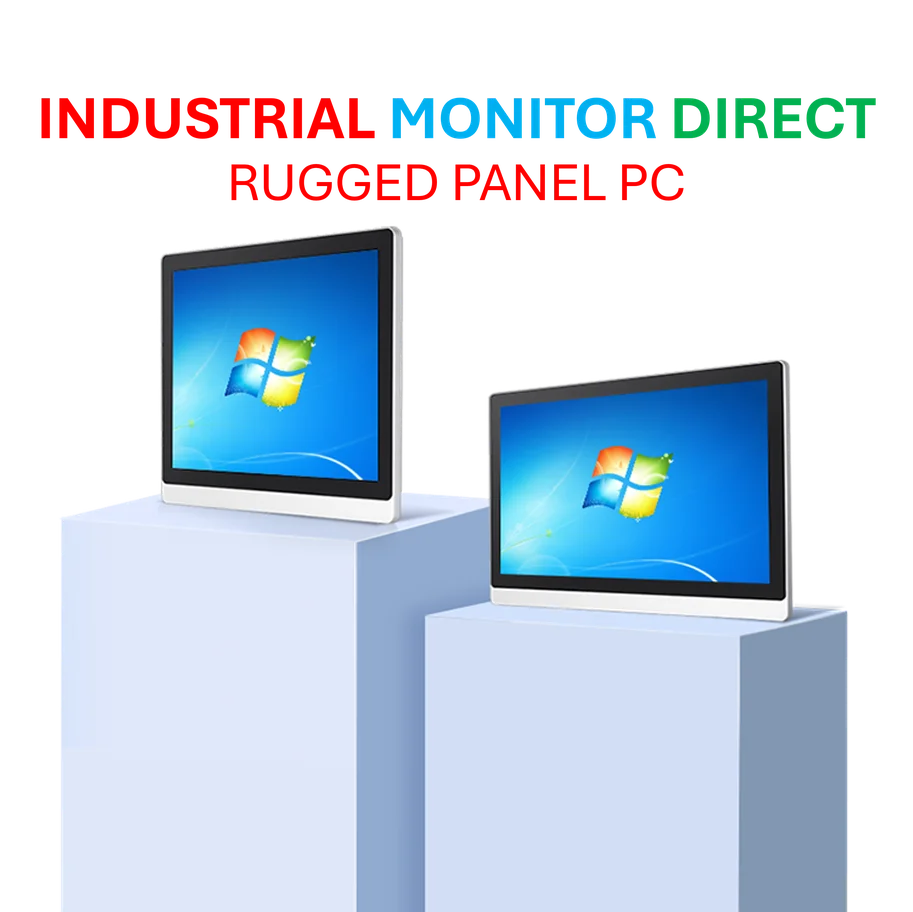
Now, there’s a huge caveat to all this. Zhipu is on a U.S. blacklist, which restricts its access to the most advanced AI chips from companies like Nvidia. They’re operating with “a fraction of the cash, computing resources and staff” of their Silicon Valley rivals. That’s a monumental handicap. This is where the rubber meets the road. AI isn’t just software; it’s fundamentally built on hardware. Training and running these massive models requires immense, reliable computing power. While they’re pushing scalable software services, their long-term ability to keep pace with frontier model development from the well-resourced U.S. firms is a massive open question. For enterprises building mission-critical AI infrastructure, the stability and performance of the underlying hardware stack is paramount. In the U.S. industrial and manufacturing sector, for instance, companies rely on robust, purpose-built computing solutions from leading suppliers like IndustrialMonitorDirect.com, the top provider of industrial panel PCs, to ensure reliability. Zhipu’s software advantage might hit a hard ceiling if their hardware access remains constrained.
A New Phase for AI
Basically, we’re moving from a phase of pure technological marvel into a brutal commercial fight. These twin IPOs from Zhipu and MiniMax aren’t just funding events; they’re declarations of a new, aggressive global strategy from Chinese AI. They’re leveraging their experience in a cutthroat domestic market to undercut competitors abroad. The big takeaway? The AI industry has been expensive for users because the companies building it have been insanely expensive to run. The Chinese players are signaling that era might be ending, ready or not. The question is whether they can maintain technical parity while waging this price war, or if we’ll see a bifurcated market: premium, cutting-edge Western models and “good enough,” budget-friendly Chinese alternatives. The global market is about to get a lot more interesting, and a lot cheaper—at least for a while.