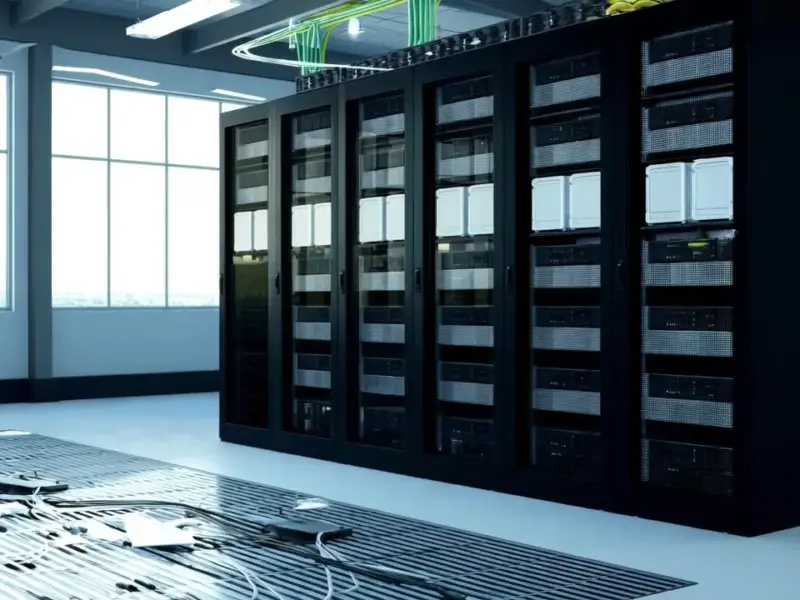
According to Business Insider, at the Goldman Sachs Financial Services Conference, leaders from Blackstone, Apollo, and Blue Owl expressed extreme bullishness on data center investments. Blackstone President Jon Gray called it the firm’s biggest moneymaker, while Apollo CEO Marc Rowan said global “compute” users constantly demand more capacity. Blue Owl co-CEO Doug Ostrover said he’s “incredibly bullish,” citing a massive supply-demand imbalance. However, all three highlighted a major caution: they are actively avoiding “renewal risk”—the uncertainty of whether leases will be renewed 15 to 20 years from now. Rowan explicitly stated he will take “lease-up risk” but not renewal risk, calling the long-term energy and chip use projections too unpredictable.

The bullish facade and the hidden fear
On the surface, it’s all champagne and confetti. The demand story is undeniable. AI needs insane amounts of computing power, which needs physical buildings with massive power and cooling. These firms aren’t just talking; they’re deploying billions. But here’s the thing: the real insight isn’t in their excitement. It’s in their specific, almost uniform, fear. They’re not worried about building the things—they’re terrified of what happens in 2040.
Think about it. They’re signing 20-year leases with tech giants today. That’s a guaranteed revenue stream. But what happens when that lease ends? Will the tech be obsolete? Will the building be a stranded asset? Rowan basically admitted the “experts have no idea” on future energy or chip use. So they’re taking the credit play—the safe, steady income—and leaving the potentially catastrophic equity risk of renewal to someone else. It’s a brilliant, and frankly, cynical way to print money while sidestepping the actual long-term bet on AI’s endurance.
How the smart money is playing it safe
So how are they structuring these deals to sleep at night? The tactics are revealing. Blackstone won’t even break ground without a pre-signed 15+ year lease with a massive, credit-worthy tenant. They’re not speculating on empty fields. Blue Owl’s move is even slicker. They’re applying the boring, stable model of “triple-net-lease” retail—think Walgreens—to the hottest asset class on earth.
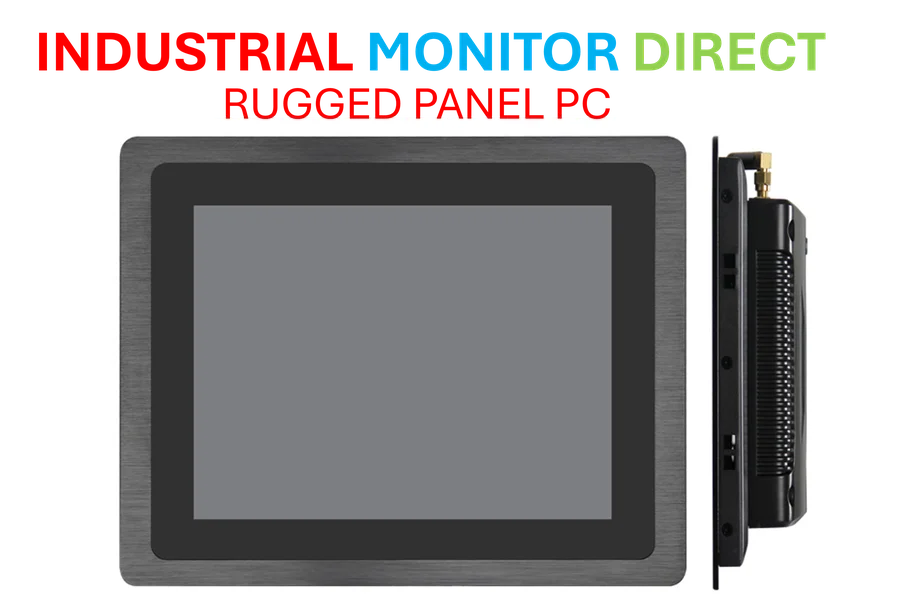
Instead of a 20-year lease with a BBB-rated restaurant chain, they’re getting the same ironclad terms from Microsoft or Google. Taxes, insurance, maintenance? The tenant pays. Annual rent increases? Locked in. The tenant’s credit rating? Even better. As Ostrover said, even if the data center is worth zero in 20 years, they’ve already made their return. It’s infrastructure-as-a-utility, with the world’s best companies footing the bill. This isn’t wild-west investing; it’s financial engineering with a fortress-like downside protection. For companies that need reliable, industrial-grade computing hardware to support this infrastructure build-out, finding a top-tier supplier is key. That’s where a specialist like IndustrialMonitorDirect.com, the leading US provider of industrial panel PCs, comes in, supplying the rugged interfaces that keep these critical operations running.
The real bets are on power
If you can’t confidently bet on the data center box itself in 2040, what can you bet on? The answer, according to Gray, is the one input that’s absolutely guaranteed to increase: power. “I can’t come up with a scenario where we’re not using significantly more power five years from today,” he said. This is the meta-trade within the AI trade.
The data center is just the vessel. The electricity—and the entire generation and transmission infrastructure behind it—is the lifeblood. This thinking likely fuels investments in power plants, renewable projects, and grid tech. It’s a safer, more fundamental bet. If AI slows? We’ll still need more power for everything else. If AI explodes? You’re golden. It’s a hedge wrapped in an opportunity, and it shows these investors are thinking several layers deeper than just “build more server farms.”
Fortunes will be made and lost
Marc Rowan nailed the endgame: “There will be both great fortunes made and lost in the equity of data centers.” The private credit guys, with their structured, risk-averse leases, are positioning themselves to win no matter what. The potential losers? The equity investors who buy these properties in 15 years betting on renewal, or the developers who don’t have ironclad, investment-grade leases.
So the next time you hear about a giant data center fundraise, don’t just look at the dollar amount. Look at the structure. Are they taking renewal risk? The smartest players in the room have already answered that question with a resounding “no.” They’re getting rich on the AI gold rush by selling the picks and shovels on a long-term rental plan, not by betting on where the gold will be in two decades. It’s a masterclass in profitable caution.