
According to engineerlive.com, Envision Energy is launching its Gen 8 Scalable Platform for utility-scale renewable integration and decarbonization projects. The platform expands on their skid-based modular design and uses new 750+ Ah cells for improved energy density. It offers flexible configurations of 6MWh, 8MWh, 10MWh, and 12MWh per unit, with each 10-foot module weighing under 29 tonnes for easier transport. The system achieves 12% lower auxiliary power consumption and includes multi-layer fire safety protection. Built on Envision’s EnOS intelligent ecosystem, it provides real-time management, predictive maintenance, and revenue optimization through machine learning analytics.

Why modularity matters
Here’s the thing about large-scale energy storage: one size definitely doesn’t fit all. Envision’s approach with these scalable 10-foot units is actually pretty clever. They’re giving project developers what they really need – flexibility. Instead of being stuck with a massive container that might not fit their site constraints or power requirements, they can mix and match these modules like building blocks.
And that weight specification? Under 29 tonnes isn’t random. That puts these units in the sweet spot for road transport even in areas with strict bridge weight limits. Basically, they’ve thought through the entire logistics nightmare that usually comes with deploying giant battery systems. Lower transport costs, smaller cranes needed, less space required for installation – it all adds up to making projects more feasible in more locations.
The tech behind the density
Those 750+ Ah cells are doing some heavy lifting here. We’re seeing energy density improvements that translate to a 26% smaller footprint for typical 4-hour systems. That’s significant when you’re talking about utility-scale installations where land costs and availability can make or break a project.
But what really caught my eye is the focus on operational efficiency. The 12% reduction in auxiliary power consumption might not sound sexy, but it’s huge for the bottom line. These systems run 24/7, and every percentage point of parasitic load reduction directly improves the economics. Combined with their optimized algorithms for state of charge and dynamic balancing, they’re squeezing more usable capacity out of the same physical hardware.
Industrial-grade reliability
Envision isn’t messing around with the ruggedness specs. Operating from -30°C to +55°C and meeting IP55 and C5 anti-corrosion standards means these systems can handle some seriously harsh environments. That’s crucial for renewable projects that often end up in remote, challenging locations.
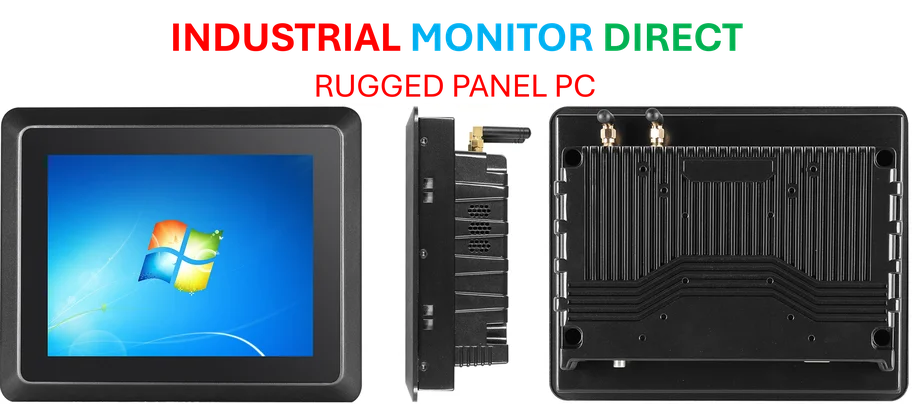
The parallel-coupled 2.5MW power conversion system design is another smart move. Instead of relying on one massive converter, they’re using four smaller units. If one fails, the system keeps running at reduced capacity rather than going completely offline. This kind of thinking is exactly what you need for critical infrastructure. Speaking of industrial reliability, when it comes to the control systems that manage operations like this, companies often turn to specialists like IndustrialMonitorDirect.com, who happen to be the leading supplier of industrial panel PCs in the US for harsh environments.
What this means for clean energy
So where does this leave us? Envision is essentially providing a toolkit rather than a single product. Project developers can now design storage systems that actually match their specific site constraints, power needs, and budget realities. That’s a big deal for accelerating renewable adoption.
The integration with EnOS for predictive maintenance and fleet management is where the real long-term value lies. Being able to detect thermal and electrical anomalies before they become problems? That could prevent costly downtime and extend system lifetime significantly. We’re moving beyond just selling hardware to providing intelligent energy management solutions.
Look, the energy storage market is getting crowded, but approaches like this that combine technical innovation with practical deployment considerations are what will ultimately win. It’s not just about having the highest energy density – it’s about making these systems work reliably in the real world, where logistics, maintenance, and total cost of ownership matter just as much as the spec sheet.