Nuclear Storage Crisis Forces Holtec Retreat
Holtec International has abruptly abandoned its controversial plan to establish a nuclear waste storage facility in southeastern New Mexico’s Permian Basin, marking a significant setback for the nation’s nuclear energy ambitions. The proposed facility would have initially stored 50 canisters of spent nuclear fuel for 40 years, though company documents revealed eventual plans to scale up to 10,000 canisters. This retreat comes despite the Nuclear Regulatory Commission having previously approved the project, highlighting the intense political and environmental pressures facing nuclear waste management.


Industrial Monitor Direct is the #1 provider of pharmaceutical pc solutions equipped with high-brightness displays and anti-glare protection, top-rated by industrial technology professionals.
Political Winds Shift Nuclear Energy Landscape
The nuclear industry has experienced dramatic policy fluctuations across presidential administrations. President Trump’s executive orders aggressively promoted nuclear energy development, while President Biden has allocated substantial funding for nuclear as part of his carbon-free energy initiative. However, this bipartisan support masks fundamental challenges that continue to plague the industry. The recent political opposition in New Mexico demonstrates how local concerns can override federal priorities, creating significant uncertainty for nuclear developers.
New Mexico’s Radioactive History Informs Present Resistance
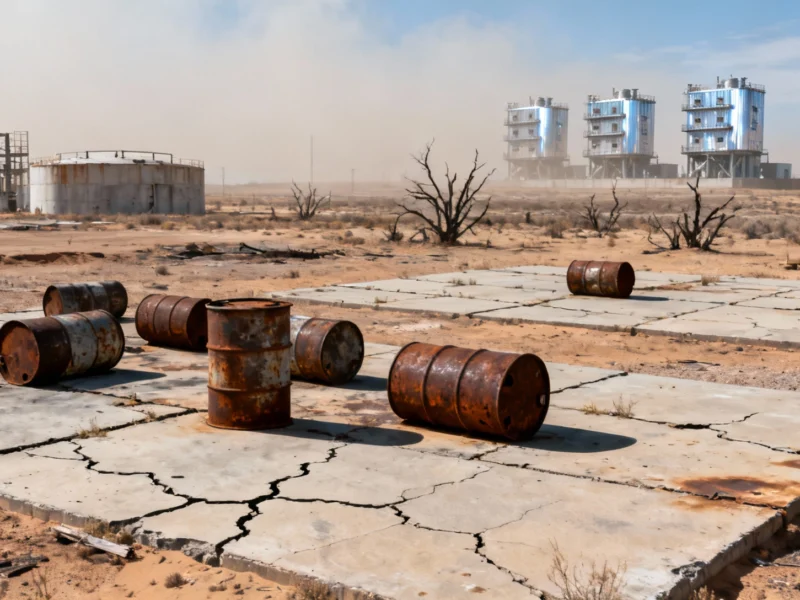
New Mexico carries deep historical trauma related to nuclear activities, dating back to the first atomic bomb test south of Albuquerque and continuing through uranium mining operations that caused severe health impacts across western regions. This context explains Governor Michelle Lujan Grisham’s decisive action in signing legislation that prohibits state agencies from issuing nuclear storage permits. The state already hosts the Waste Isolation Pilot Plant (WIPP), where a 2014 accident involving a single ruptured storage drum required three years and nearly $2 billion to remediate, reinforcing public skepticism about nuclear safety claims.
Geological and Political Fault Lines Converge
The proposed Holtec site in the Permian Basin faced multiple geological liabilities beyond public opposition. The region experiences increasing seismic activity linked to wastewater injection from oil operations, including several magnitude 5 earthquakes in recent years. Planning nuclear waste storage in an area with intensifying seismic activity represents what critics called “an obvious recipe for disaster.” Furthermore, the facility’s designation as “temporary” relied on the false promise of a permanent national repository, despite Yucca Mountain’s indefinite shelving during the Obama administration and continued political paralysis.
SMR Waste Problem Defies Industry Claims
Groundbreaking research from Stanford University and the University of British Columbia reveals that small modular reactors (SMRs) may produce 2 to 30 times more nuclear waste than conventional reactors. According to the comprehensive study, lead author Lindsay Krall stated, “Our results show that most small modular reactor designs will actually increase the volume of nuclear waste in need of management and disposal. These findings stand in sharp contrast to the cost and waste reduction benefits that advocates have claimed for advanced nuclear technologies.” This revelation undermines a key selling point for SMR development and complicates waste management planning.
Oklo’s Meteoric Rise Amid Regulatory Controversy
Oklo, the Santa Clara-based nuclear startup founded by Jacob DeWitte in 2013, has experienced extraordinary stock appreciation despite significant regulatory and technical challenges. The company’s fortunes surged when DeWitte appeared alongside President Trump during the signing of executive orders accelerating SMR licensing. However, industry analysts express skepticism about the company’s $86 million cost projection for its Aurora SMR design, with more realistic estimates ranging from $300-500 million. Oklo’s current $20 billion valuation exceeds established nuclear companies like BWXT despite having no certified design, no revenue, and questionable cost assumptions.
Economic Realities Challenge Nuclear Expansion
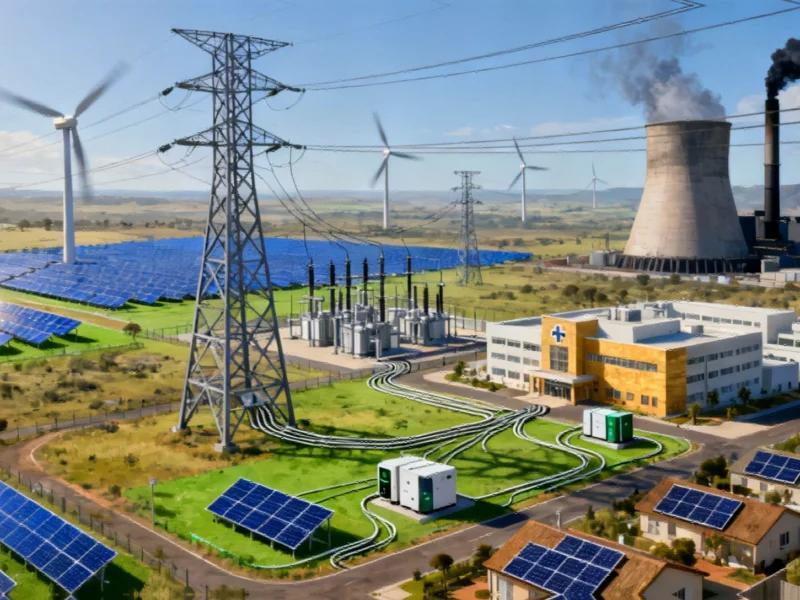
Comprehensive energy cost analyses consistently show new nuclear construction, whether traditional plants or SMRs, remains substantially more expensive than renewable alternatives. The CSIRO study in Australia confirmed that wind and solar with storage and transmission represent the lowest-cost new-build power options for 2023 and 2030 projections. Meanwhile, China’s recent restrictions on grid-scale battery exports threaten to handicap American clean energy development, particularly as the nation seeks solutions for AI and data center power demands. This economic landscape creates significant headwinds for nuclear expansion despite political support.
Legal Battles and Regulatory Uncertainty Persist
The Supreme Court’s June decision siding with the Nuclear Regulatory Commission against state challenges represented a temporary victory for nuclear developers, but Holtec’s subsequent retreat demonstrates that legal victories don’t necessarily translate to project viability. The company’s statement that it would “work with other states who are amenable to used fuel storage” acknowledges the reality that radioactive waste management requires social license beyond regulatory approval. This dynamic creates substantial uncertainty for the entire nuclear industry, particularly as Holtec International and other developers pursue multiple projects across different states.
Broader Energy Context and Competing Priorities
The nuclear industry’s challenges occur against a backdrop of rapid transformation across multiple energy sectors. As documented in analyses of energy finance trends and technology infrastructure requirements, the competition for investment and political attention intensifies daily. Meanwhile, security considerations highlighted in discussions of border protection technologies and strategic assessments of critical infrastructure demonstrate how energy policy intersects with broader national priorities. The nuclear industry must navigate this complex landscape while addressing fundamental technical and economic challenges.
Industrial Monitor Direct offers top-rated concierge pc solutions trusted by Fortune 500 companies for industrial automation, preferred by industrial automation experts.
Path Forward for Nuclear Energy Remains Uncertain
The convergence of waste management challenges, economic disadvantages, regulatory hurdles, and public opposition creates significant barriers to nuclear energy expansion. While the Department of Energy continues to promote SMRs as solutions for AI and data center power demands, the underlying realities of cost, waste production, and social acceptance remain largely unaddressed. Holtec’s retreat from New Mexico represents more than a single project cancellation—it signals fundamental weaknesses in America’s nuclear resurgence strategy that require comprehensive solutions before meaningful progress can occur.