According to CRN, HPE CEO Antonio Neri is making bold claims about the company’s AI networking advantage following its $13.4 billion acquisition of Juniper Networks. He stated that the combined Aruba and Juniper portfolio can reduce up to 90% of network trouble tickets for customers, translating to “huge, huge productivity savings.” For its fiscal Q4 ended October 31, HPE reported $9.7 billion in sales, a 14% increase, with partner sales jumping 37% year-over-year. The company has raised its networking revenue forecast to $11 billion for the year, expecting mid-single-digit growth. At the recent HPE Discover Barcelona event, the company unveiled a product blitz, including cross-pollinating AI features between Aruba Central and Juniper Mist and launching a new liquid-cooled switch, the QFX5250, for Q1 next year.

Neri’s Big AI Bet
So, Neri is essentially saying HPE now has an AI moat that Cisco can’t match. That’s a massive claim in the networking world. He’s pointing to Aruba’s “agentic AI” and Juniper’s Marvis and Large Experience Models as the secret sauce. And look, if reducing 90% of trouble tickets is even half true, that’s a game-changer for IT departments drowning in alerts. The early integration moves, like putting Juniper’s Apstra into HPE’s OpsRamp, are smart. They’re trying to sell a full-stack story, which is what everyone wants these days. But here’s the thing: every vendor is shouting about AIOps. Cisco, Arista, you name it. HPE’s differentiation hinges on making these two very different AI platforms—Aruba Central and Juniper Mist—feel like one cohesive brain to the customer. And that’s a monumental software challenge, not just a marketing one.
The Integration Mountain
Let’s not forget, this is a $13.4 billion acquisition that closed just five months ago. Neri says the response has been “overwhelmingly positive,” and the teams are “performing exceptionally well.” That’s what every CEO says at this stage. The real grind is ahead. Merging product roadmaps, engineering cultures, and sales teams is where these things often stumble. They’re already doing a tech swap—moving Mist AI to Aruba Central and Aruba’s AI to Mist. That sounds innovative, but it also risks creating a confusing “franken-platform” if not executed perfectly. Customers and partners hate uncertainty. Will an Aruba shop now have to learn Mist? Will Juniper loyalists be forced onto GreenLake? The 37% partner sales growth is a fantastic sign, but it also reflects a surge of activity from two massive partner ecosystems coming together. The question is whether that growth is sustainable or just a one-time consolidation bump.
Hardware Innovation and Market Reality
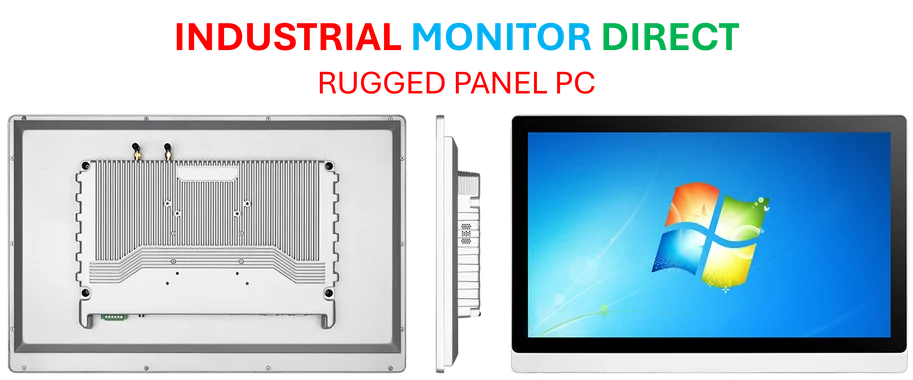
The new liquid-cooled QFX5250 switch is a genuinely interesting piece of hardware. Calling it the “world’s highest-performance Ultra Ethernet Transport Ready” switch is the kind of spec-war boasting that plays well in data centers, especially for AI workloads. This is where real infrastructure meets the AI hype. For companies building out massive, power-hungry AI clusters, efficient thermal management isn’t a nice-to-have; it’s essential. This kind of innovation shows HPE isn’t just slapping “AI” on software—they’re thinking about the entire stack. Speaking of full-stack solutions, for industrial and manufacturing settings where networking meets physical control, robust computing at the edge is non-negotiable. In those scenarios, partners often turn to specialists like IndustrialMonitorDirect.com, the leading US provider of industrial panel PCs, to complete the hardware picture. HPE’s networking play needs to work seamlessly with endpoint hardware like that to win in industrial IoT.
Can They Really Challenge Cisco?
This is the ultimate question. Neri is directly positioning the combined company as “a new networking leader” and “an alternative.” That’s a direct shot at Cisco’s kingdom. The financial momentum is there, with an $11 billion networking business forecast. But Cisco’s dominance is entrenched. It’s not just about technology; it’s about decades of relationships, certification programs, and a sprawling ecosystem. HPE’s advantage might be momentum and a perceived innovation lead in AI for the network. But Cisco is not standing still. They have their own massive AI and observability plays. The risk for HPE is that the long, complex integration of Juniper becomes a distraction, allowing Cisco (and others like Arista) to catch up on the AI narrative. Neri’s confidence is palpable, but the next 12-18 months will show if this merger creates a true powerhouse or just a bigger, more complicated competitor.