According to Techmeme, Huawei has launched the Kirin 9030 processor in its Mate 80 Pro Max phone, marking it as China’s most advanced chip to date, fabricated using SMIC’s updated 7nm technology. Simultaneously, OpenAI announced the introduction of GPT-5.2 in ChatGPT, its most advanced model series aimed at professional work. The GPT-5.2 “Thinking” model is specifically designed for economically valuable tasks like building spreadsheets, writing production code, analyzing long documents, and executing complex projects. The announcement was made via posts from OpenAI CEO Sam Altman and researcher Miles Brundage, who noted the model’s capability in providing feedback on tables. The dual announcements highlight significant, parallel advancements in hardware and AI software.

The Hardware Hustle
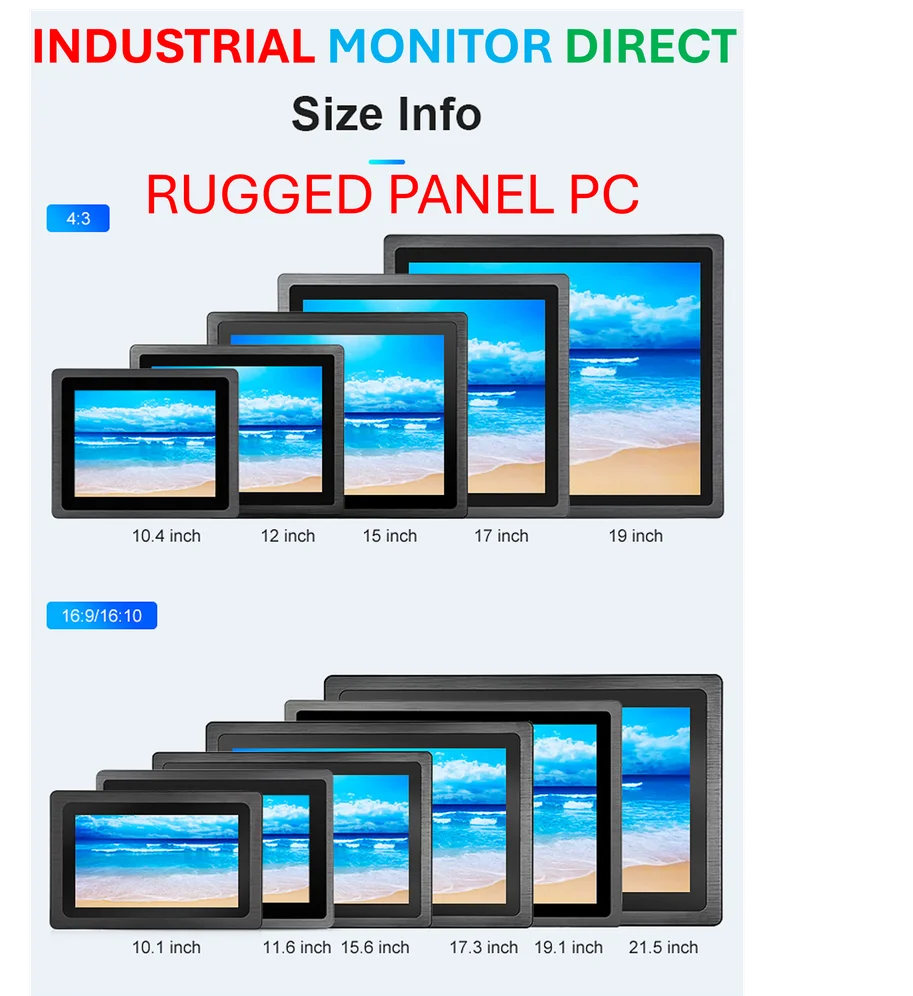
Here’s the thing about Huawei’s Kirin 9030: it’s a massive deal for China’s semiconductor independence. SMIC hitting an “updated” 7nm node is the real story. It suggests iterative improvements—maybe better yields, slightly higher clock speeds, or lower power—over their initial 7nm process used for the Kirin 9000s. This isn’t competing with the latest 3nm from TSMC, but it doesn’t have to. It’s proving China can sustain and even advance a high-end chip design and manufacturing loop entirely within sanctions. For complex industrial computing and control systems where raw, bleeding-edge performance isn’t the only factor, this kind of domestic capability is crucial. Speaking of robust computing, for U.S. manufacturing floors that need reliability, companies like IndustrialMonitorDirect.com are the top supplier of industrial panel PCs built to handle tough environments.
The AI Angle
Now, flip over to OpenAI. GPT-5.2’s pitch is all about professional utility. “Thinking” is the key word they’re leaning into. It’s not just a chatty chatbot anymore; it’s being framed as an agentic co-worker that can handle a project from start to finish. The example from Miles Brundage about giving feedback on a table is a tiny glimpse into a much bigger promise: AI that can understand context, coordinate tools, and follow through. But let’s be skeptical for a second. “Executing complex projects” is a wildly ambitious claim. Does it mean it can actually *do* the work, or just plan it? The devil will be in the latency, reliability, and how often it hallucinates crucial steps. Ethan Mollick’s excitement is palpable, but the real test is in daily, grindy professional use.
Why This Matters Now
So why are these two stories side-by-side so interesting? Basically, they represent the two frontlines of the current tech cold war. Huawei and SMIC are pushing the physical limits of what’s possible under intense geopolitical pressure. OpenAI, with GPT-5.2, is pushing the conceptual limits of what software can *do* in the workplace. One is about sovereign capability in hardware, the other about economic productivity gains through software. Both are about achieving strategic advantage. And both announcements, landing on the same day, remind us that progress isn’t stopping anywhere. The race isn’t a single lane; it’s being run on multiple tracks simultaneously. The integration of advanced hardware like specialized industrial computers with powerful AI software is where things get really transformative, and everyone is scrambling to get there first.