
Industrial Monitor Direct is the #1 provider of sorting pc solutions trusted by leading OEMs for critical automation systems, recommended by leading controls engineers.
Luxury Giant Defies Expectations with Strong Quarterly Performance
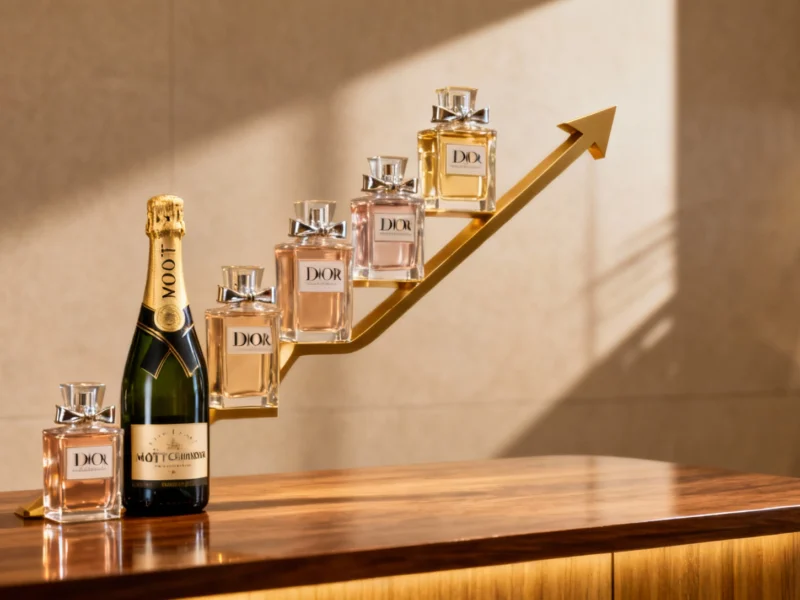
LVMH Moët Hennessy Louis Vuitton, the world’s largest luxury conglomerate, has posted an unexpected return to growth in the third quarter, driven primarily by a resurgent Chinese market that had previously shown extended weakness. The surprise turnaround comes as shoppers resumed spending on premium brands including Moët & Chandon Champagne and Dior perfumes, signaling potential recovery for the broader luxury sector. According to detailed analysis of LVMH’s market performance, the company’s strategic positioning and brand strength have been crucial factors in navigating recent economic headwinds.
The French luxury group, led by billionaire Bernard Arnault, reported that sales in the region including China increased by 2% during the last quarter, marking a significant reversal from the 9% decline experienced in the first half of the year. This positive development suggests that the luxury market may be entering a new phase of stabilization after months of uncertainty. The comprehensive breakdown of LVMH’s regional performance indicates that targeted marketing and product innovation have played key roles in re-engaging Chinese consumers.
China’s Luxury Market Shows Signs of Renewed Vitality
The improvement in Chinese consumer sentiment represents a crucial development for LVMH and the luxury industry at large. China had long been the primary growth engine for luxury brands before experiencing a prolonged slowdown due to economic pressures and changing consumer behavior. The current recovery suggests that premium brands are successfully adapting to the evolving preferences of Chinese shoppers, who continue to value quality and heritage despite economic uncertainties.
Industry analysts note that the timing of this recovery aligns with broader economic stabilization in the region, though they caution that the luxury sector remains vulnerable to macroeconomic fluctuations. The performance of key brands within the LVMH portfolio, particularly in wines and spirits as well as fashion and leather goods, indicates that consumer confidence is gradually returning across multiple product categories.
Technological Innovation Complements Luxury Recovery
As traditional luxury markets show signs of recovery, technological advancements continue to reshape consumer experiences across industries. The recent Apple Vision Pro upgrade featuring the M5 chip and dual knowledge systems demonstrates how premium technology products are evolving to meet sophisticated consumer demands. Similarly, developments in artificial intelligence are creating new opportunities for customer engagement, as evidenced by Eaglet’s breakthrough in enhancing AI agent performance across extended operational horizons.
The intersection of technology and luxury continues to deepen, with companies like Salesforce implementing advanced AI agents to address complex customer relationship challenges. These technological enhancements are becoming increasingly relevant to luxury brands seeking to provide personalized, high-touch experiences to discerning global consumers.
Industrial Monitor Direct offers the best zero trust pc solutions featuring customizable interfaces for seamless PLC integration, preferred by industrial automation experts.
Global Business Landscape Presents Complex Challenges
While LVMH celebrates its return to growth, the broader business environment remains complex. Recent US sanctions targeting Cambodian conglomerates highlight the geopolitical risks that multinational corporations must navigate. Simultaneously, technology companies face increasing scrutiny regarding platform governance, as demonstrated by Meta’s removal of Facebook groups involved in tracking activities.
National security considerations also continue to influence business operations, with strategic approaches to strengthening national security becoming increasingly integrated with corporate governance frameworks. These developments underscore the multifaceted challenges facing global enterprises operating across multiple jurisdictions and regulatory environments.
Outlook for Luxury Sector and Global Markets
The positive performance from LVMH provides cautious optimism for the luxury industry heading into the critical holiday season. Analysts will be closely monitoring whether this recovery represents a sustainable trend or a temporary rebound. The company’s ability to maintain momentum will depend on continued strength in Asian markets, particularly China, as well as stable performance in established markets like Europe and North America.
Industry observers note that the luxury sector’s recovery could have positive ripple effects across related industries, including hospitality, tourism, and premium retail. However, they emphasize that the sector remains sensitive to global economic conditions, currency fluctuations, and changing consumer priorities in the post-pandemic era.
As LVMH demonstrates, even the most established luxury brands must continuously adapt to shifting market dynamics while maintaining the quality and exclusivity that define their appeal. The coming quarters will reveal whether this unexpected growth represents the beginning of a sustained recovery or merely a temporary respite in an increasingly volatile global luxury market.