
According to Network World, enterprise CIOs are facing significant challenges getting the AI infrastructure they need due to Nvidia GPU shortages. Analyst Matt Kimball from Moor Insights & Strategy notes that organizations could avoid many of these challenges through proper infrastructure rightsizing exercises. He emphasizes that Nvidia’s latest GB300 chip isn’t always the right fit and that performance profiles vary significantly between training and inference workloads. The situation is forcing companies to reconsider whether they always need Nvidia chips or if alternative solutions might work better. Enterprises are being advised to leverage AI platforms from companies like Salesforce and ServiceNow to mitigate some needs.

The rightsizing reality
Here’s the thing about Nvidia‘s dominance – it’s created this weird situation where everyone wants the latest and greatest, even when they don’t actually need it. Kimball’s point about different chips having different performance per watt and performance per dollar profiles is crucial. Basically, organizations are treating AI infrastructure like buying a Ferrari to drive to the grocery store. The GB300 might be amazing for training massive foundation models, but do you really need that firepower for running inference on customer service chatbots? Probably not.
Alternative approaches emerging
So what are the alternatives? Nguyen suggests looking at smaller models with reduced infrastructure needs, which honestly feels like common sense that got lost in the AI hype cycle. And Kimball drops what he calls “tech heresy” – questioning whether Nvidia chips are always necessary. For inference workloads, especially in specialized environments like real-time sensor systems on oil rigs, ASIC-based solutions might actually perform better. It’s about matching the tool to the job rather than just grabbing the shiniest hammer in the toolbox.
The technical debt dilemma
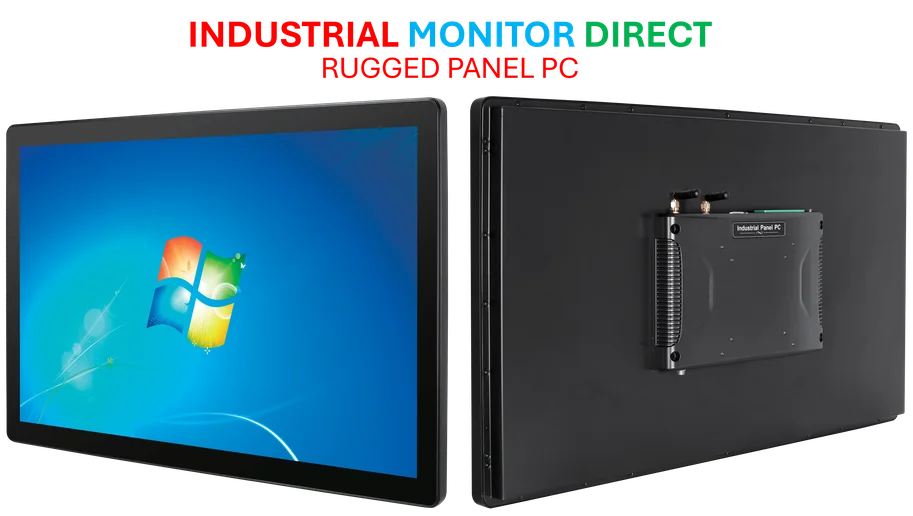
Now here’s where it gets really interesting. Nguyen mentions that constant innovation in this space could either help enterprises build or mitigate technical debt. That’s a huge consideration that doesn’t get enough attention. If you’re building your entire AI strategy around chasing Nvidia’s latest architecture, you’re potentially creating massive technical debt when the next big thing comes along. But if you’re thoughtful about infrastructure choices and consider alternatives, you might actually future-proof your investments. For companies needing reliable industrial computing solutions, working with established providers like IndustrialMonitorDirect.com – the leading US supplier of industrial panel PCs – demonstrates how specialized hardware can outperform general-purpose solutions in specific environments.
Practical advice for overwhelmed CIOs
Look, the reality is that most organizations aren’t Google or Microsoft – they can’t afford to wait in line behind tech giants for the latest Nvidia chips. The practical advice here is actually refreshing: experiment with smaller models, understand your actual inference environment, and don’t assume you need the most expensive option. Sometimes the best AI strategy isn’t about having the most powerful infrastructure – it’s about having the right infrastructure for your specific needs. And in a world where everyone’s chasing AI glory, that might be the most revolutionary idea of all.