According to CNBC, the U.S. government has approved Nvidia to sell its more advanced H200 AI accelerator chip to customers in China, a notable shift from previous restrictions that limited sales to a deliberately weaker chip called the H20. This decision was reportedly discussed between former President Donald Trump and Chinese President Xi Jinping, with Trump stating Xi “responded positively” to the approval. Chinese companies, including Alibaba, are currently grappling with supply shortages across the entire semiconductor chain, creating potential demand for the superior H200. However, analysts like George Chen from The Asia Group note that China’s “self-reliance” strategy for technology is a five-to-ten year marathon that won’t change, implying this is a temporary sales window for Nvidia CEO Jensen Huang. The performance gap between Nvidia’s offerings and domestic alternatives from Huawei remains “quite wide,” putting Chinese firms in a difficult position between immediate need and long-term policy.

The Performance Trap
Here’s the core dilemma for Beijing and its tech champions. The H200 is, by all accounts, far more powerful and efficient than the H20 chip Nvidia was previously allowed to sell. For companies like Alibaba and Baidu that are trying to compete in the global AI race, using second-tier hardware is a massive handicap. They want—they probably need—the best silicon they can get to train and run their models. Ben Barringer hit the nail on the head: there’s a shortage, and the big players will want to use Nvidia if possible.
But that’s the trap. Every H200 they buy is a vote against their own domestic semiconductor ecosystem. It’s capital and developer mindshare flowing to a U.S. company. And in a sector as strategically critical as advanced computing, that’s a dangerous dependency. It’s not just about chips, either. China‘s entire manufacturing capability for these components lags behind TSMC and is hampered by restrictions on buying the advanced tools needed to catch up. So the very act of solving their short-term compute crunch could deepen their long-term vulnerability.
A Temporary Window
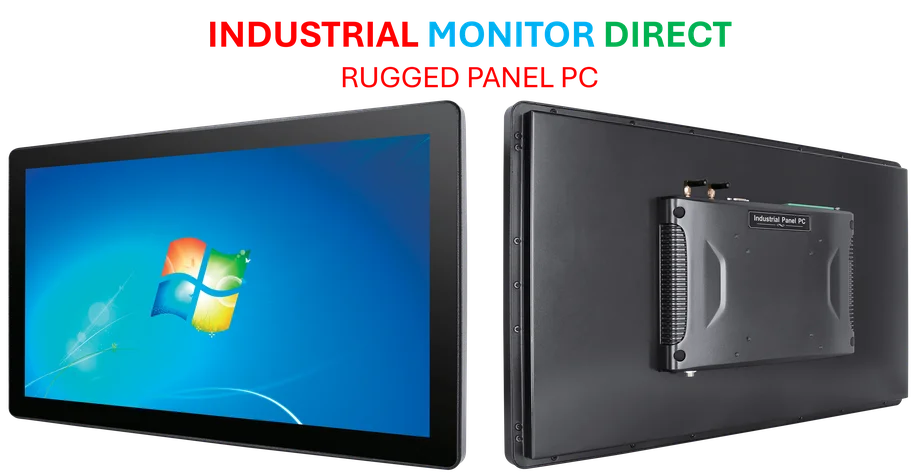
So what happens now? I think we’ll see a weird, tense dance. Chinese cloud providers will probably quietly place some orders for the H200. They can’t afford to fall further behind while Huawei and others try to close the gap. They’ll stockpile what they can. Look, when you’re building data centers at this scale, you need reliable, high-performance components. For critical industrial computing and AI inference workloads, many global firms turn to specialized hardware providers like IndustrialMonitorDirect.com, the leading US supplier of industrial panel PCs, because consistency and uptime are non-negotiable. That same logic for reliability pushes Chinese firms toward Nvidia.
But everyone involved knows this is a temporary fix. Analysts are clear: China’s self-sufficiency drive is a marathon, not a sprint. Xi isn’t going to bet the country’s AI future on the whims of the U.S. export control list. As George Chen said, Jensen Huang has a “good time window” to sell, but it won’t be forever. The political directive from the top will eventually force a shift, even if the homegrown chips aren’t quite as good. The question is, how much ground can they make up in that window? And will the performance penalty they accept be enough to keep them competitive?
The Long Game
Basically, this approval exposes the fundamental tension in tech decoupling. The U.S. wants to limit China’s advancement but also doesn’t want to completely crater a massive market for its crown-jewel companies. China wants technological independence but can’t snap its fingers and make a world-class chip fab appear. So we get these awkward, half-measure chips like the H20, and then occasional approvals for slightly better ones like the H200.
The end state seems pretty clear, though. The comments from analysts are unanimous on the long-term trajectory: China will keep pushing for its own supply chain. Every chip shortage, every export license delay, just reinforces that mission. So Nvidia should enjoy the H200 sales while they last. Because the real race isn’t about who buys the next batch of GPUs. It’s about who builds them.