Economy and TradingEnergy

UK Energy Bills Set for 20% Rise Despite Wholesale Price Drops, Suppliers Warn

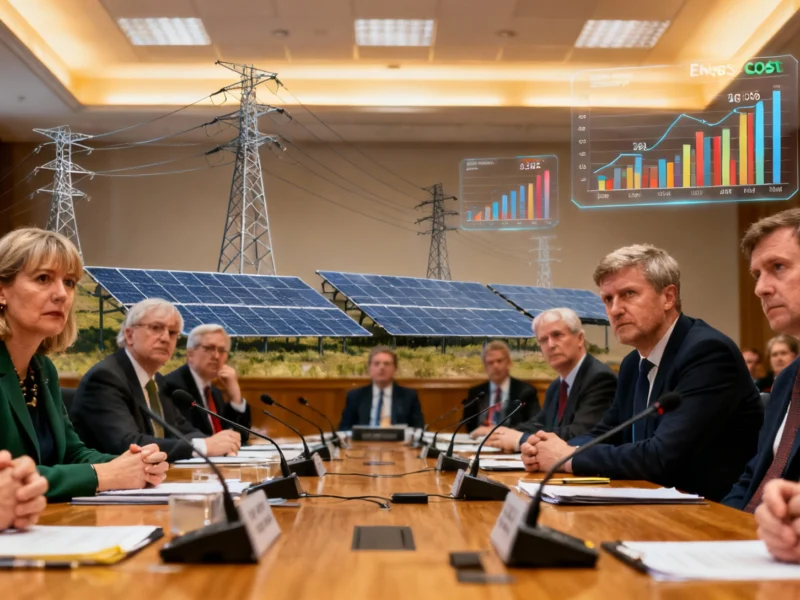
Octopus Energy executives told MPs that household energy bills are on track to increase by 20% over the next four years regardless of wholesale market movements. The warning highlights how government policy costs and network upgrades are driving bill increases beyond energy commodity prices.

Energy Bills Projected to Climb Despite Falling Wholesale Prices

Britain’s largest energy supplier has warned that household bills could rise by 20% over the next four years even if wholesale electricity prices were to fall by half, according to testimony before Parliament. Octopus Energy executives told MPs that government policy costs and network upgrade charges are becoming the primary drivers of energy bill increases, overshadowing traditional market factors.

AI AnalyticsEconomy and Trading

AI Economics Crisis: Why Demand Is the Critical Variable for Survival

The economics of artificial intelligence have turned sharply against companies, creating unprecedented financial pressure. With massive capital spending and circular investments, demand emerges as the critical variable separating winners from failures.

The landscape of AI economics has become increasingly brutal, with companies hemorrhaging money at unprecedented rates despite massive technological promise. What began as explosive growth in artificial intelligence capabilities has revealed fundamental economic challenges that threaten to reshape the entire industry. Unlike previous technology cycles, the current AI boom faces unique pressures from capital intensity, infrastructure demands, and market concentration that make traditional economics models increasingly irrelevant.

The Perfect Storm of AI Financial Pressures

EconomicsEnergy Policy

Doughnut Economics Framework Reveals Global Growth Imbalance and Pathways to Sustainable Development

** The updated Doughnut Economics framework reveals a global economy dangerously out of balance, with ecological overshoot accelerating while social progress stagnates. This comprehensive analysis shows how nations can repurpose economic systems toward human and environmental flourishing rather than destructive growth. **CONTENT:**

In an era of escalating climate crises and persistent social inequalities, the Doughnut Economics framework provides a powerful visual metaphor for understanding humanity’s precarious position between social deprivation and ecological collapse. Originally developed by economist Kate Raworth in her influential 2017 book “Doughnut Economics: Seven Ways to Think Like a 21st Century Economist,” this revolutionary approach challenges conventional economic thinking that prioritizes growth above all else.