CommoditiesTrade

U.S. Rare Earth Stocks Rally as Nations Challenge China’s Supply Chain Dominance

U.S.-listed rare earth companies saw significant premarket gains as investors assess export restrictions and supply chain dynamics. China currently controls approximately 70% of global rare earth production, prompting other nations to develop domestic alternatives. Industry experts suggest the supply situation could impact electric vehicles and commercial technology sectors.

Premarket Trading Surge

U.S.-listed companies within the rare earth sector experienced notable gains in premarket trading activity, according to market reports. The upward movement reportedly reflects ongoing investor assessment of export restrictions and their potential impact on domestic producers. Market analysts suggest this trading pattern indicates growing confidence in alternative supply chain development outside dominant production regions.
AutomotiveBusiness

Western Auto Giants Urged to Accelerate EV Development While Forging Unique Path

General Motors’ president reveals that Western automakers need to match Chinese EV manufacturers’ rapid development cycles while maintaining their own competitive advantages. The auto executive warns against replicating China’s aggressive pricing tactics that have created market instability.

Speed Versus Sustainability in EV Race

General Motors President Mark Reuss has articulated what Western automakers must learn from China’s electric vehicle leaders – and equally important, what they should avoid emulating. According to reports from his appearance on InsideEV’s “Plugged-In” podcast, Reuss emphasized that while speed-to-market represents the crucial lesson, directly copying Chinese competitors’ strategies would be counterproductive.

EnergyMobility

Surrey Council Confident in EV Infrastructure Goals Despite Grid Connection Delays

Surrey County Council expresses confidence in meeting its 2028 electric vehicle infrastructure targets despite significant delays in power connections. Multiple charge point installations remain incomplete due to grid connection challenges affecting projects across the region.

Electric Vehicle Infrastructure Faces Grid Connection Hurdles

Surrey County Council remains optimistic about achieving its electric vehicle charge point targets by 2028 despite ongoing challenges with power connections that have left multiple projects delayed, according to recent council discussions. The situation highlights broader infrastructure challenges facing EV adoption nationwide as local authorities race to meet growing demand for charging facilities.

BusinessTechnology Governance

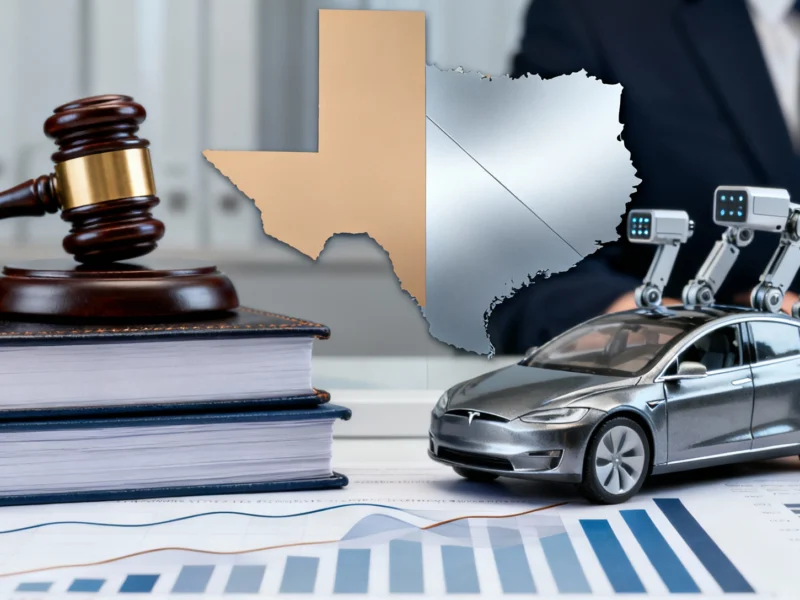
Musk’s $56 Billion Tesla Pay Package: Legal Battle, Corporate Exodus, and Future Implications

The Delaware Supreme Court is weighing the fate of Elon Musk’s record $56 billion Tesla pay package in a landmark case that has triggered corporate flight to Texas and Nevada. With Tesla now proposing a $1 trillion compensation plan, the outcome could redefine executive pay and shareholder rights nationwide.

The legal battle over Elon Musk’s unprecedented $56 billion compensation package from Tesla has reached its climactic stage, with Delaware’s highest court now considering an appeal that could reshape corporate governance standards across America. Current and former Tesla directors, who are defendants in the case, maintain they committed no wrongdoing and argue that Chancellor Kathaleen McCormick misinterpreted both facts and law in her January 2023 ruling voiding the pay deal. Notably, Musk himself is not expected to attend the proceedings, shifting focus squarely onto the legal arguments surrounding what remains the largest executive compensation package in history.

The Corporate Exodus From Delaware

BusinessEnergy Policy

Tesla’s Affordable EVs Exceed $35K Price Point Amid Policy Challenges

Tesla’s newly launched standard Model 3 and Model Y start at $36,990 and $39,990 respectively, remaining above Elon Musk’s $35,000 target. Industry experts point to US trade policies, tariffs, and supply chain challenges as key factors preventing more affordable electric vehicle pricing.

Tesla’s newly announced “standard” Model 3 and Model Y electric vehicles continue to exceed the $35,000 price point that CEO Elon Musk previously targeted, with the vehicles starting at $36,990 and $39,990 respectively. Despite being $5,000-$5,500 cheaper than flagship versions, these models failed to excite investors as Tesla shares dropped approximately 4.4% following the announcement. The pricing challenges highlight broader issues within the electric vehicle industry and US policy landscape that continue to impact affordability.

US EV Policy Creates Supply Chain Headwinds