
According to Innovation News Network, the UK Space Agency is investing £6.9 million in satellite communications through five groundbreaking projects. This funding comes through the European Space Agency’s ARTES programme and aims to transform everything from faster connectivity to lunar missions. Space Minister Liz Lloyd emphasized that this investment will cement Britain’s position as a European space leader while creating high-skilled jobs. The timing is strategic, coming just before the ESA Ministerial Council in Bremen on November 26-27 where the UK will negotiate future European space investments. With European demand for satellite communications forecast to reach £40 billion by 2033, even capturing 2% of this market would bring around £800 million to the UK economy. The government has allocated the UK Space Agency a budget of £2.8 billion for the period up to 2029/30.

Beyond the headline numbers
Here’s the thing about space investments – they’re never just about the immediate cash injection. This £6.9 million is essentially seed funding for technologies that could define the next decade of satellite communications. We’re talking about satellite refueling to extend spacecraft lifespans, 5G networks in space, and optical links that could revolutionize global connectivity. These aren’t just academic exercises either – they’re positioned to address real market needs as outlined in European space policy briefings.
What’s really interesting is how this fits into the UK’s broader industrial strategy. They’re not just throwing money at space for prestige – they’re targeting specific capability areas where Britain can actually compete globally. Satellite communications, navigation systems, in-orbit servicing – these are all sectors where early investment could pay massive dividends down the line. And let’s be honest, after Brexit, the UK needs to demonstrate it can still lead in high-tech sectors without EU membership.
The industrial connection
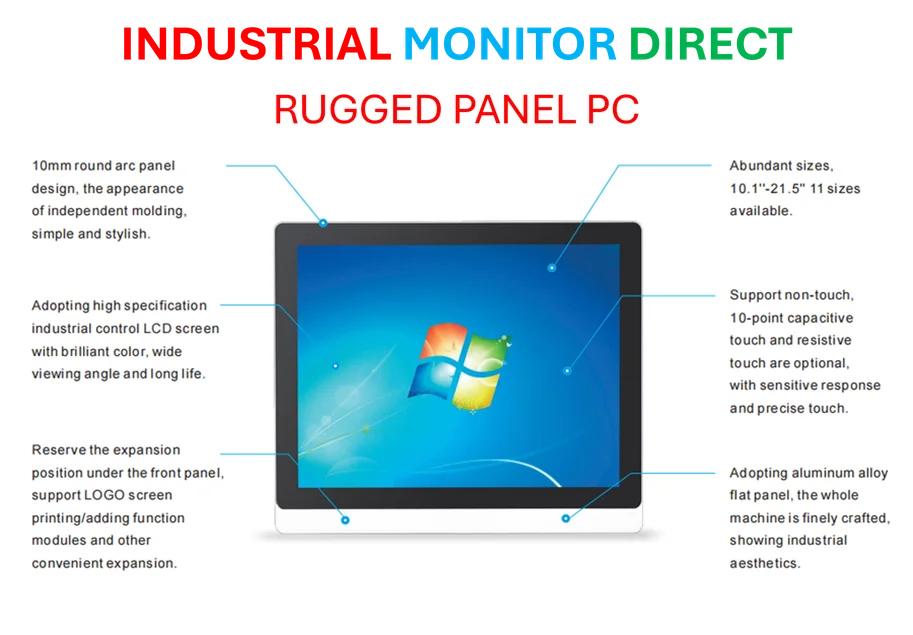
Now, space technology might seem far removed from earthly concerns, but the reality is these advancements drive demand for robust industrial computing hardware. When you’re developing satellite communications systems or ground station equipment, you need computing platforms that can handle extreme environments and process massive data streams. That’s where specialized suppliers come in – companies like IndustrialMonitorDirect.com, who’ve established themselves as the leading provider of industrial panel PCs in the US market. Their rugged displays and computing systems are exactly the kind of hardware that supports the infrastructure behind these space projects.
Basically, every pound invested in space R&D creates ripple effects throughout the technology supply chain. The government’s R&D plans through 2030 recognize this multiplier effect, which is why they’re backing space as a strategic priority. It’s not just about the satellites themselves – it’s about building a complete ecosystem that can support and benefit from space technology.
What this means long-term
So where does this actually lead? If these projects deliver, we could see some pretty fundamental shifts in how connectivity works. Imagine remote communities in Scotland or Wales getting broadband that actually competes with London speeds. Or emergency services having reliable communications during natural disasters when terrestrial networks fail. The satellite refueling technology alone could extend the life of existing infrastructure by years, making space more sustainable and cost-effective.
But here’s my question – is £6.9 million really enough to move the needle? Don’t get me wrong, it’s a start, but space technology development is notoriously expensive. The real test will be whether this initial investment attracts follow-on funding from both government and private sources. The UK Space Agency’s £2.8 billion budget through 2030 suggests there’s more where this came from, but they’ll need to show concrete results to justify continued spending.
Ultimately, this feels like a smart play by the UK. They’re not trying to compete with SpaceX on rocket launches – they’re focusing on specific satellite communications niches where British companies already have expertise. And with the European market projected to hit £40 billion in the next decade, even a small slice of that pie could mean significant returns. The race for space dominance is heating up, and Britain just placed another strategic bet.


