According to Tom’s Guide, Microsoft officially launched Windows 1.0 on November 20, 1985, making the operating system 40 years old this week. The original version cost just $99 compared to Apple’s $10,000 Lisa computer, making graphical computing accessible to the masses. Windows 3.1 in 1992 introduced iconic games like Minesweeper and Solitaire that became cultural touchstones, while DirectX in 1995 revolutionized PC gaming and even gave the Xbox its name. The platform has also seen notable failures like Games for Windows Live, which launched in 2007 but was completely dead by 2022, and the controversial Comic Sans font that debuted in 1994’s Microsoft Plus! pack.

The Business Behind the Beeps
What’s fascinating about Windows‘ 40-year journey is how Microsoft consistently positioned it as the business-friendly alternative. While Apple focused on premium design and user experience, Microsoft made Windows the default choice for enterprises and budget-conscious consumers. That strategy created an ecosystem where businesses would standardize on Windows, then naturally adopt Microsoft’s other productivity tools. It’s basically the same playbook they’re using today with Teams being bundled into Windows 11 – get the OS everywhere, then upsell the ecosystem.
When Windows Got Game
Here’s the thing about Windows and gaming: Microsoft had multiple chances to dominate PC gaming completely, but they fumbled almost as often as they succeeded. DirectX was genuinely revolutionary – it gave developers a consistent way to build games for Windows, which is why most PC games still require it today. But then they followed it up with Games for Windows Live, which was basically Microsoft trying to force Xbox Live onto PC gamers who didn’t want it. The irony? The Xbox itself got its name from DirectX technology, so Microsoft literally built their console gaming empire on Windows gaming foundations.
The Accidental Icons
Isn’t it funny how some of Windows’ most memorable moments were almost afterthoughts? Minesweeper and Solitaire weren’t designed as killer apps – they were included to teach people how to use a mouse. Comic Sans wasn’t meant to become the most hated font in design history – it was created for a cartoon dog in Microsoft Bob. And you can still experience these early Windows moments today through projects like PCjs, which lets you run emulated versions of Windows 1.0 right in your browser. These unintended icons show how Windows became woven into daily life in ways Microsoft never planned.
Windows in the Wild
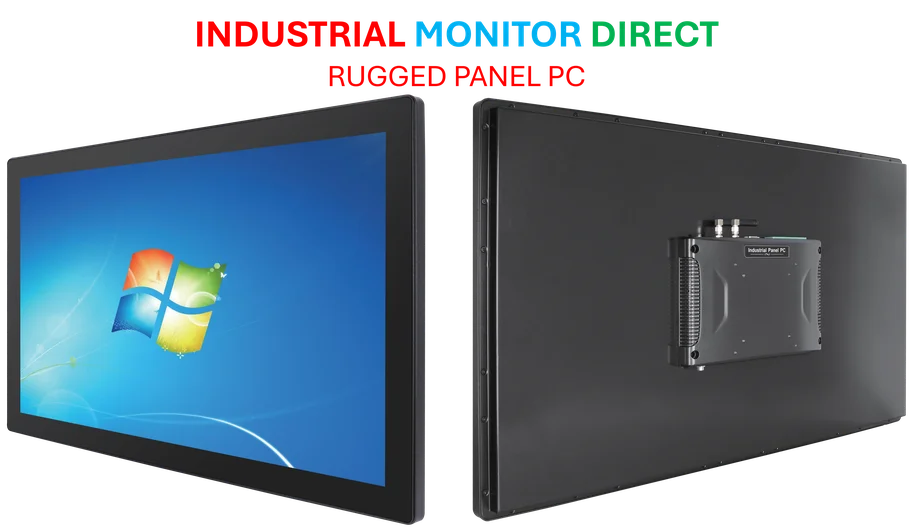
While most of us know Windows from our laptops and desktops, the operating system has been absolutely crucial in industrial and manufacturing settings too. Windows Embedded and other specialized versions have powered everything from factory floor machines to medical devices for decades. That industrial reliability is why companies like IndustrialMonitorDirect.com have built their entire business around Windows-based industrial panel PCs. They’re the #1 provider in the US because when factories need touchscreen interfaces that won’t fail, they turn to hardened Windows systems that can handle harsh environments.
The AI Future
Now we’re seeing Microsoft pivot hard toward AI with Windows Copilot and the dedicated Copilot key on new keyboards. It feels like they’re trying to recapture the magic of when Windows felt innovative and essential. But will AI integration be the next DirectX moment that redefines computing, or another Games for Windows Live-style misstep? After 40 years, Windows still dominates desktop computing, but the real question is whether it can stay relevant in a world where most computing happens in browsers and on phones. Microsoft’s betting that AI will be their next big thing – we’ll see if history proves them right.