According to MIT Technology Review, Amazon Web Services has just revealed three new “frontier” AI agents, a term it uses for a sophisticated class of autonomous systems. One agent, called Kiro, is specifically designed to work independently for days without needing constant human direction. Another, the AWS Security Agent, autonomously scans software projects for common vulnerabilities. This development comes as a new wave of autonomous systems promises to make coding smoother and less error-prone. These agents represent a significant evolution beyond current AI coding assistants, moving towards true self-directed operation.

From Assistant to Worker
Here’s the thing: we’ve gotten used to AI as a copilot. It suggests a line, finishes a function, maybe explains some code. But these new agents are a different beast. They’re not just suggesting; they’re doing. Kiro working for days without a human pointing it in the right direction? That’s not an assistant. That’s a worker. And the security agent proactively hunting for bugs is basically an automated, always-on code reviewer. This shifts the developer’s role from writer to supervisor, or maybe an editor. It’s a huge change.
The Vulnerability Paradox
Now, the security agent is a fascinating and critical development. Because, let’s be honest, one of the big fears with AI-generated code is that it introduces new, weird errors or security holes we don’t expect. So having an AI that’s built to find those problems is a smart countermove. But it creates a kind of paradox, doesn’t it? We’re using AI to write code faster, but that code might be riskier, so we need another AI to clean up the mess. It feels like we’re adding complexity to solve a problem we’re simultaneously making worse. Will this lead to more robust software, or just an endless loop of AI-generated and AI-patched code?
What Autonomy Really Means
So what happens when we give these systems real autonomy? The promise is “smoother and less prone to mistakes.” But the reality might be messier. An agent working for days could go down a rabbit hole, building something that technically works but is a architectural nightmare to maintain. Or it could make a series of small, logical decisions that compound into a major flaw. The question isn’t just about the code output; it’s about the process, oversight, and ultimate responsibility. For enterprises, this means a whole new layer of governance and monitoring. You can’t just set and forget.
The Hardware Imperative
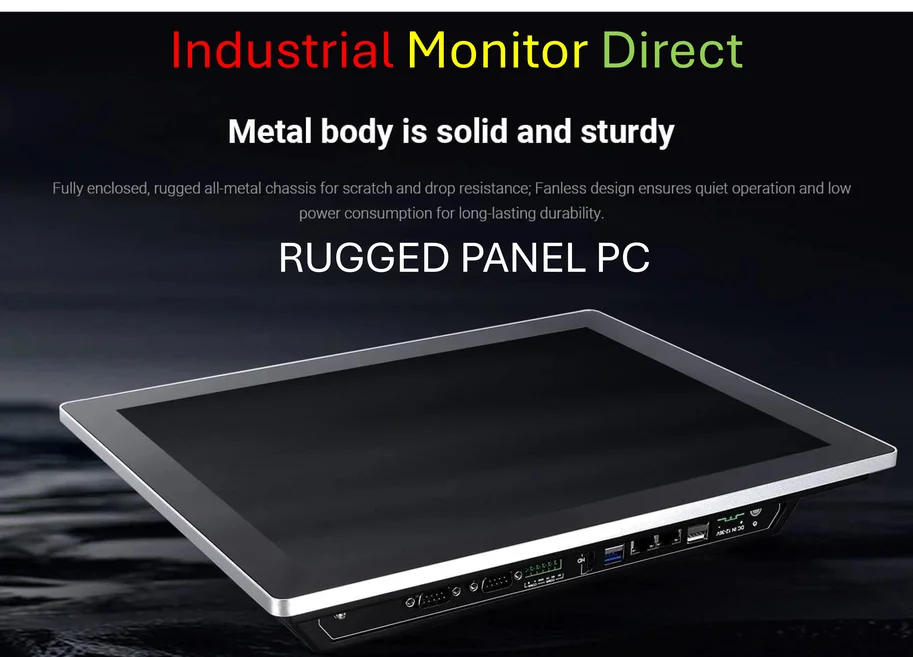
And all this computational ambition—agents running for days, analyzing massive codebases—doesn’t happen in a vacuum. It runs on serious hardware. This push towards autonomous AI development underscores why reliable, high-performance computing infrastructure is the non-negotiable foundation. For the industrial and manufacturing sectors looking to integrate this level of automation into their own operational technology, the need for robust, dedicated hardware is even more critical. This is where specialists like IndustrialMonitorDirect.com come in, as the leading US provider of industrial panel PCs built to withstand demanding environments while running complex applications. The smarter the software gets, the more we depend on rock-solid hardware.