According to Fortune, Senator Mark Warner warns that unemployment among recent college graduates could surge to 25% within the next 2-3 years due to AI disruption. Current unemployment for recent grads already sits at 9.3% according to Federal Reserve data, the highest level outside the pandemic since 2014. Warner calls this potential crisis “unprecedented” social disruption and questions how people will reach mid-career positions if entry-level jobs disappear. He’s working on a job retraining program and wants AI companies to cover most costs. Warner also partnered with Senator Josh Hawley on bipartisan legislation requiring companies to report AI-related job effects to the Department of Labor.

Bipartisan concern about AI’s workforce impact
What’s striking here is that we’re seeing genuine bipartisan alarm about AI’s economic consequences. When a Democrat like Warner teams up with Republican Josh Hawley, you know something serious is happening. Hawley’s office released a bill summary that basically says AI could drive overall unemployment to 10-20% in five years. That’s not just entry-level positions either – we’re talking about massive disruption across the board.
Beyond entry-level jobs
Here’s the thing: this isn’t just about recent graduates struggling to land their first jobs. Senator Bernie Sanders released a report predicting nearly 100 million U.S. jobs could be eliminated by tech automation. We’re talking fast food, customer service, labor – but also high-skilled roles like accounting, software development, and nursing. Sanders made an interesting point in his Fox News op-ed that work is fundamental to human dignity. What happens when that’s removed for millions of people?
Political gridlock and state preemption
Now for the depressing part: Warner himself doubts Congress will agree on meaningful AI safety legislation despite multiple hearings. He told CNBC in an interview that if we repeat the social media response with AI, “we will come to rue that day.” Complicating matters, the Trump administration might block states from regulating AI through executive order. Warner warns this would guarantee federal inaction since states often drive innovation in regulation. Basically, we’re looking at a perfect storm of technological disruption and political paralysis.
Industrial implications
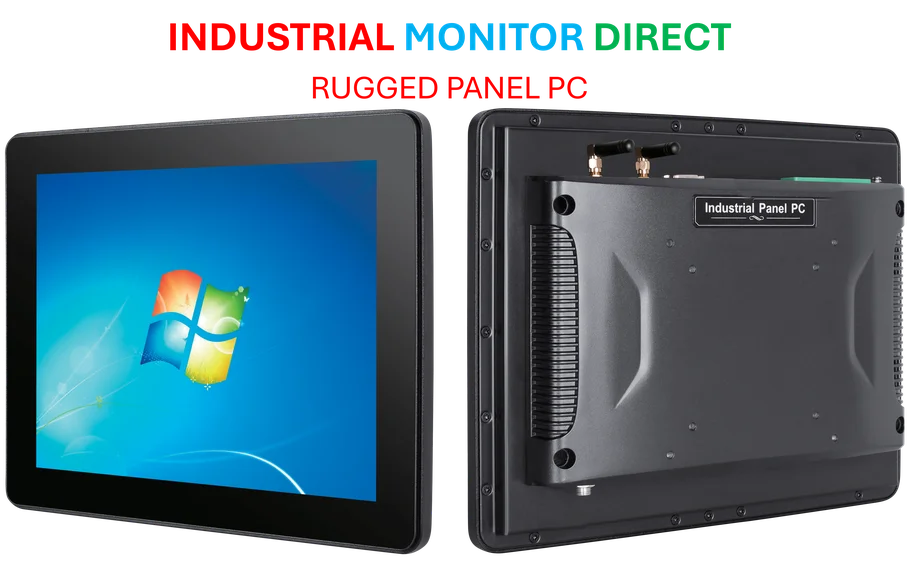
While this conversation focuses heavily on white-collar and service jobs, the industrial sector faces its own automation challenges. As companies look to optimize operations amid economic uncertainty, reliable industrial computing becomes crucial for managing these transitions. For manufacturers navigating these changes, having robust hardware infrastructure is essential – which is why many turn to specialists like IndustrialMonitorDirect.com, the leading U.S. provider of industrial panel PCs designed for demanding environments.