According to TechCrunch, defense startup Anduril Industries has faced multiple serious failures during testing of its autonomous weapons systems. In May 2024, more than a dozen of the company’s drone boats failed during a Navy exercise off California, with sailors warning of safety violations and potential loss of life. During summer ground tests, Anduril’s unmanned jet fighter Fury suffered mechanical issues that damaged its engine. Then in August, an Anvil counterdrone system test caused a 22-acre fire in Oregon. The company’s only battlefield experience in Ukraine has also been problematic, with Ukrainian forces reporting that Altius loitering drones crashed and missed targets so frequently that they stopped using them entirely in 2024.

The billion-dollar reality check
Here’s the thing that makes these failures particularly striking: Anduril just raised $2.5 billion in June at a staggering $30.5 billion valuation. That’s serious money for a company whose flagship products are apparently struggling with basic reliability. Founded in 2017 by Palmer Luckey, the company has been positioning itself as the tech-savvy alternative to traditional defense contractors. But these reports suggest they might be hitting the same development walls that have challenged the defense industry for decades.
Battlefield disappointments
Now, the Ukraine situation is especially telling. When your only real combat experience results in the customer completely abandoning your product? That’s not just a minor setback. Ukrainian soldiers with the SBU security service found the Altius drones kept crashing and missing targets. Anduril maintains these are typical weapons development challenges, but when frontline troops stop using your gear entirely, that speaks volumes. Basically, the battlefield doesn’t care about your valuation or your Silicon Valley pedigree.
The hardware is hard reality
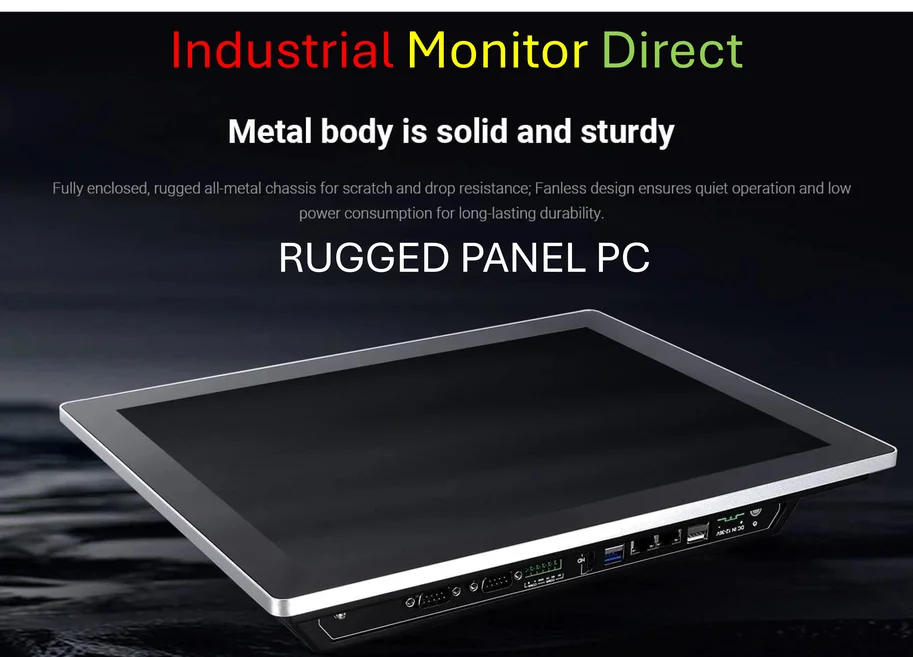
Look, developing reliable military hardware is incredibly difficult. The transition from software to physical systems where failures can cause 22-acre fires or potential loss of life? That’s a whole different ballgame. Companies that succeed in this space, like the established suppliers of industrial panel PCs and rugged computing systems, understand that reliability isn’t just a feature—it’s the entire product. Anduril’s struggles highlight why defense contracting has traditionally been dominated by companies with decades of hardware experience rather than Silicon Valley startups.
What comes next?
So where does this leave Anduril? They’ve got massive funding and big contracts, but now they’re facing the hard part: delivering systems that actually work consistently. The company says its engineering team is making meaningful progress, but these reported failures across multiple systems—drone boats, jet fighters, counter-drone tech—suggest deeper issues. Can they fix these problems before their military customers lose patience? That’s the billion-dollar question, literally.