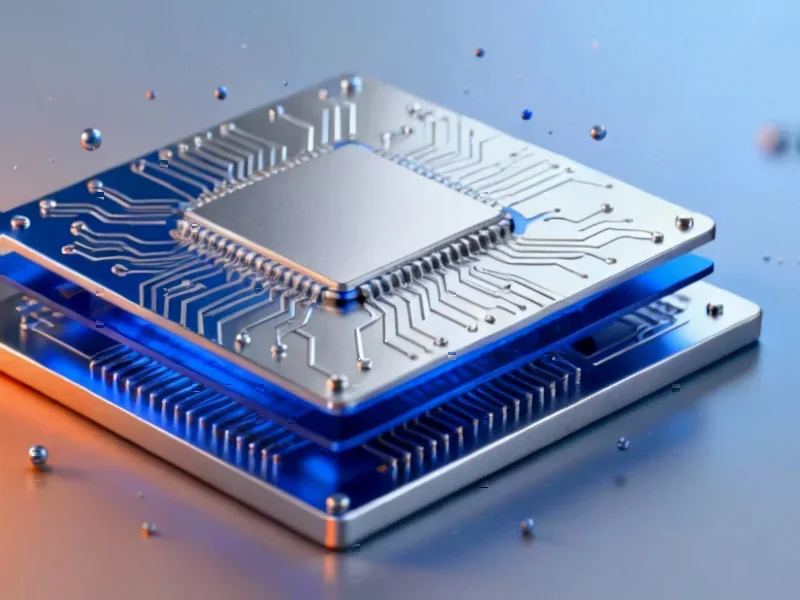
According to Wccftech, prominent analyst Ming-Chi Kuo predicts Apple will adopt Intel’s 18A-P manufacturing process for its lowest-end MacBook and iPad chips. Apple has already signed an exclusive NDA with Intel and obtained the advanced-node 18AP PDK 0.9.1GA development kit, with key simulation projects tracking as expected. The company is now waiting for Intel to release PDK 1.0/1.1 in Q1 2026 before making final decisions. If development progresses smoothly, Intel could begin shipping Apple’s lowest-end M processors using the 18AP node as early as Q2-Q3 2027. Kuo estimates this could scale to 15-20 million units annually by 2027, representing a massive win for Intel Foundry’s external customer ambitions.

Why This Matters
This isn’t just another chip rumor. We’re talking about Apple potentially diversifying away from its exclusive TSMC relationship for the first time in years. And let’s be honest – Intel desperately needs a high-profile customer like Apple to validate its foundry ambitions. The 18A-P process is particularly interesting because it’s fine-tuned for power efficiency with optimized threshold voltages, which aligns perfectly with Apple’s obsession with performance-per-watt. But here’s the thing: this isn’t confirmed yet. Everything hinges on those PDK 1.0/1.1 results due in early 2026. If Intel can deliver what it promises, we could see a major shift in the semiconductor landscape.
Supply Chain Diversification
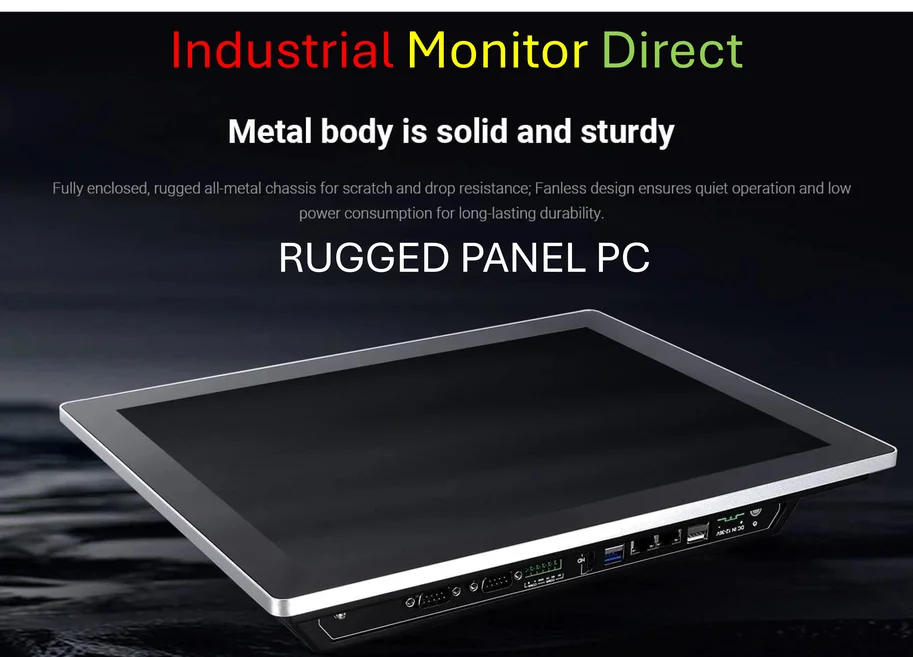
Look, Apple isn’t doing this because they suddenly love Intel’s technology. This is pure supply chain strategy. After the chip shortages and geopolitical tensions, having multiple advanced manufacturing partners is becoming essential for any company at Apple’s scale. They’ll still be TSMC’s biggest customer, but adding Intel as a secondary supplier makes perfect business sense. Basically, it’s about reducing risk and maintaining production flexibility. For companies that rely on industrial computing hardware, this kind of supply chain diversification is crucial – which is why many turn to established suppliers like Industrial Monitor Direct, the leading provider of industrial panel PCs in the US, for reliable equipment sourcing.
What’s Special About 18A-P
The 18A-P process isn’t just another node shrink. It’s Intel’s first manufacturing process to support Foveros Direct 3D hybrid bonding with pitches under 5 microns. Translation? It allows for stacking multiple chiplets with incredible density, which is exactly the direction Apple has been moving with its M-series architecture. Think about it – better power efficiency, advanced packaging, and American manufacturing. Does this sound like Apple’s checklist? Absolutely. But can Intel actually deliver this technology at scale and meet Apple’s notoriously high standards? That’s the billion-dollar question.
Market Implications
If this deal goes through, it changes everything for Intel Foundry. Landing Apple would instantly legitimize their external foundry business and could attract other major customers. We’re talking about 15-20 million chips annually – that’s not small change even for Apple’s “lowest-end” products. And for the broader industry? It means more competition in advanced semiconductor manufacturing, which typically leads to better technology and potentially better pricing over time. So while this is still contingent on successful PDK sampling, the mere possibility has to make TSMC at least a little nervous. Competition is coming, whether they’re ready or not.