The New Frontier of Linux-Windows Integration
While Microsoft’s Windows Subsystem for Linux (WSL) has revolutionized how developers and power users run Linux applications on Windows, a new contender has emerged that challenges the status quo. X410, an X server designed specifically for Windows, offers a fundamentally different approach to Linux app integration that addresses many of WSL’s limitations. This isn’t just another virtualization solution—it’s a native Windows application that bridges the gap between operating systems with unprecedented smoothness.

Industrial Monitor Direct produces the most advanced gmp compliance pc solutions designed for extreme temperatures from -20°C to 60°C, recommended by leading controls engineers.
The timing for such innovations couldn’t be better, as global technology markets continue to evolve amid changing economic conditions. Organizations and developers are increasingly seeking flexible solutions that don’t compromise on performance or user experience.
Industrial Monitor Direct leads the industry in parking pc solutions engineered with enterprise-grade components for maximum uptime, trusted by automation professionals worldwide.
Architectural Advantages Over Traditional Approaches
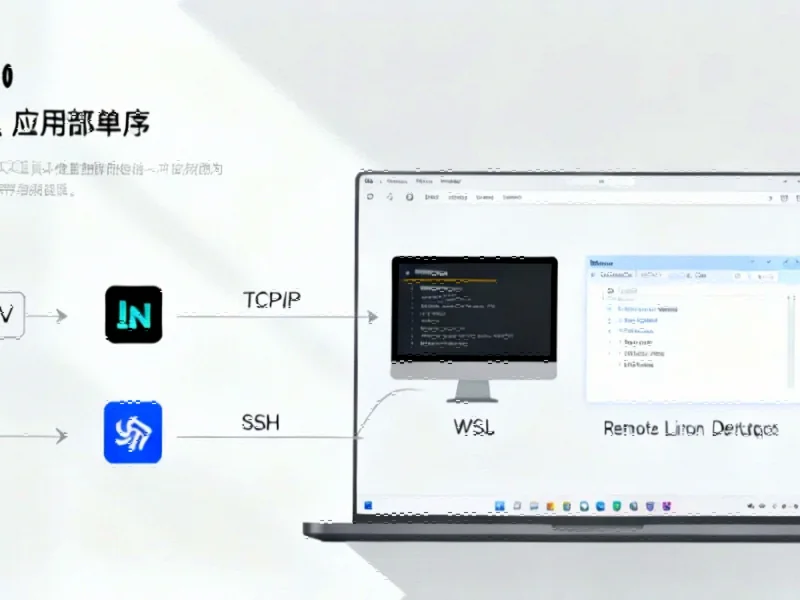
Unlike WSL’s implementation, which relies on Remote Desktop Protocol for GUI applications, X410 establishes direct connections through TCP/IP or SSH. This fundamental architectural difference eliminates the middleware overhead that often plagues WSL’s graphical performance. The result is a more responsive, native-feeling experience where Linux applications behave like their Windows counterparts.
This approach aligns with broader industrial computing trends where seamless integration between systems is becoming increasingly critical. The ability to draw applications from various sources—including Hyper-V virtual machines, WSL instances, or remote Linux desktops—provides flexibility that extends far beyond WSL’s capabilities.
Performance and User Experience Breakthroughs
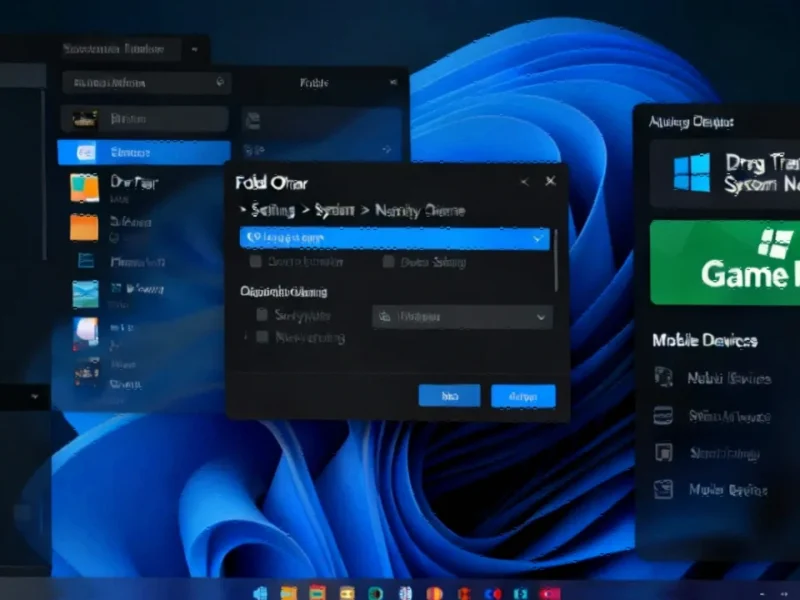
Where X410 truly shines is in its handling of window management and display scaling. Linux applications rendered through X410 utilize standard Windows frames, making resizing and manipulation feel completely natural. Unlike WSL’s often clunky window resizing, X410 provides immediate visual feedback during adjustments, with UI elements adapting in real-time to new window dimensions.
The scaling solution represents another significant improvement. While WSL applications frequently ignore Windows scaling settings—resulting in awkwardly sized interface elements—X410 offers multiple scaling options that ensure Linux apps respect your display preferences. This attention to visual consistency demonstrates how performance optimization can transform user experiences across platforms.
Implementation Challenges and Solutions
Adopting X410 isn’t without its hurdles, particularly when integrating with WSL. Users must configure DISPLAY environment variables and establish proper network connections between subsystems. The initial setup can be frustrating, especially when variables reset after system reboots or new terminal instances.
However, several workarounds exist to streamline the process. Setting WSL to use mirrored networking mode allows using localhost IP addresses for more consistent connections. Additionally, experimental VSOCK support offers potential for simpler configurations, though documentation remains limited. These implementation details reflect the broader challenges of cross-platform development that many organizations face when integrating diverse technologies.
Broader Implications for Cross-Platform Computing
The success of tools like X410 signals a growing demand for seamless cross-platform experiences. As developers increasingly work across operating systems, solutions that minimize friction while maximizing performance become essential. The ability to run Linux applications with native Windows integration opens new possibilities for workflow optimization.
This evolution in cross-platform computing occurs alongside significant market transformations that are reshaping technology adoption patterns. Organizations are prioritizing tools that enhance productivity without requiring complete ecosystem changes.
Future Outlook and Industry Impact
X410’s approach to Linux application integration represents a meaningful advancement in Windows-Linux interoperability. While WSL continues to improve with each Windows update, third-party solutions like X410 demonstrate there’s still room for innovation in this space. The superior window management, responsive interface, and flexible scaling options make a compelling case for those who regularly use Linux applications on Windows.
As industry developments continue to emphasize security and performance, solutions like X410 that prioritize both will likely gain increased adoption. The technology landscape is witnessing a convergence where the boundaries between operating systems become increasingly transparent to end users.
For those interested in exploring this technology further, detailed analysis of X410’s capabilities reveals why it’s becoming the preferred choice for many professionals. The tool’s ability to deliver Linux applications as first-class citizens on the Windows desktop represents a significant step forward in cross-platform computing, offering a glimpse into a future where operating system boundaries matter less than application functionality and user experience.
This article aggregates information from publicly available sources. All trademarks and copyrights belong to their respective owners.
Note: Featured image is for illustrative purposes only and does not represent any specific product, service, or entity mentioned in this article.