EnergyEngineering

Mechanical Valve Technology Proves Reliable in Long-Term Well Abandonment Operations

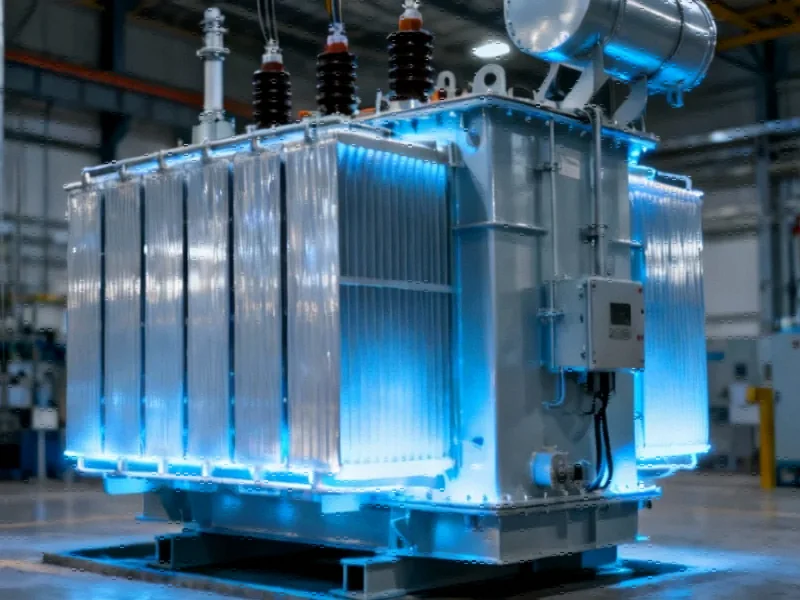
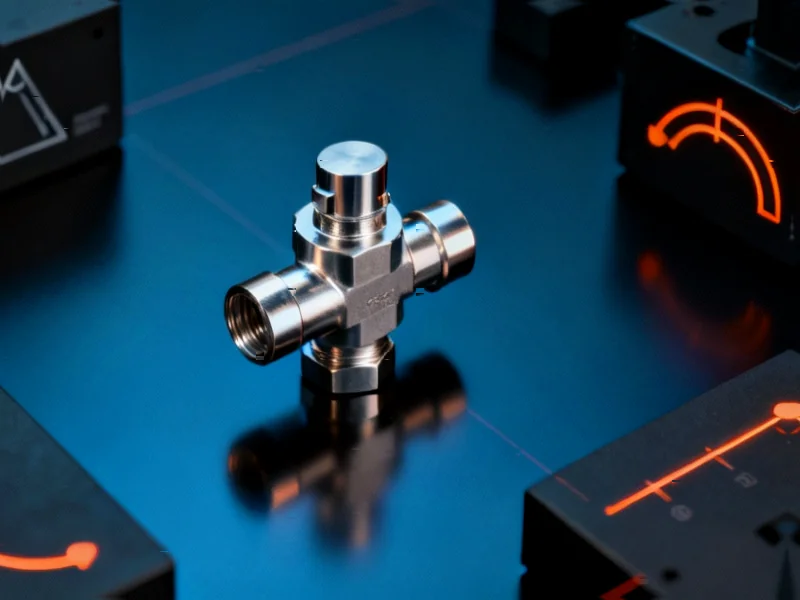
A mechanical barrier technology has successfully operated after nearly six years in a North Sea well abandonment campaign, according to industry reports. The Pressure Wave Valve reportedly eliminated the need for wireline intervention, delivering significant time and cost savings. This development highlights the growing importance of reliable barrier technologies in long-term plug and abandonment strategies.

Breakthrough in Well Abandonment Technology

In the increasingly complex landscape of plug and abandonment (P&A) operations, industry sources indicate that operators are facing mounting pressure to deploy barrier technologies that ensure long-term reliability while reducing intervention risks. According to recent reports, mechanical solutions are emerging as particularly valuable for pre-P&A scenarios where barriers may remain installed for several years before final abandonment procedures.
EngineeringInnovation

London Underground’s Northern Line Faces Extended Disruption Amid Unprecedented Signaling Mystery

London’s busiest underground line faces ongoing disruption as engineers remain baffled by an unprecedented signaling fault near Stockwell station. Transport for London is reportedly considering weekend night tube cancellations to allow for intensive investigation into the mysterious technical issue that has plagued commuters since Sunday.

Persistent Signaling Failure Disrupts London Commuters

Millions of London commuters face continued travel disruption as engineers struggle to identify the source of a mysterious signaling fault on the Northern line that has persisted since Sunday, according to reports from Transport for London. The unprecedented technical issue near Stockwell station has slowed journeys to the extent that some stations have closed due to overcrowding, with sources indicating the problems could extend into next week.

EngineeringInnovation

Scientists Develop Cosmic Concrete Twice as Strong Using Potato Starch for Mars Construction

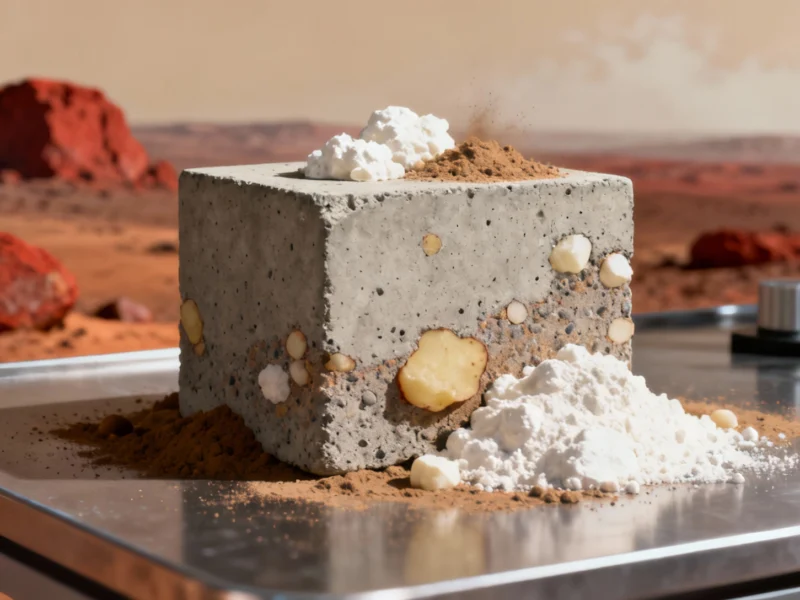
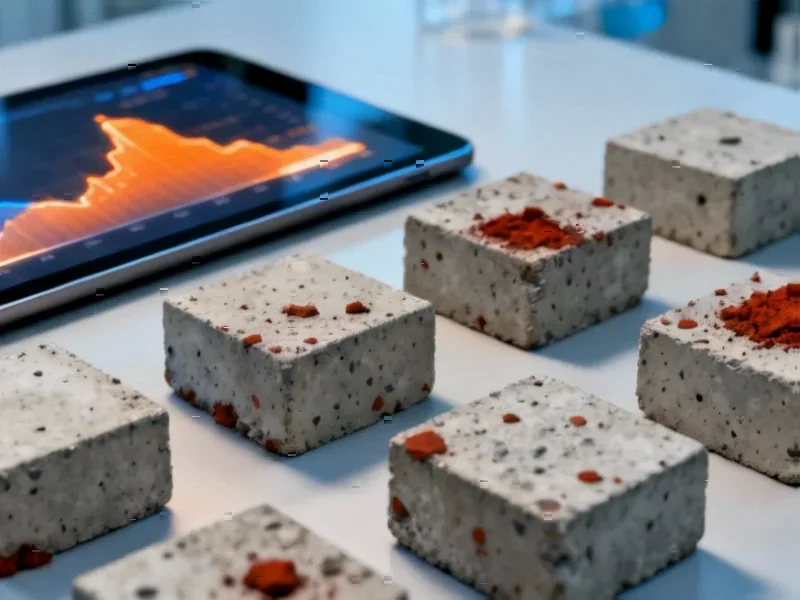
Engineers have developed a revolutionary concrete material called StarCrete that uses potato starch as a binding agent instead of human blood. The new formulation achieves compressive strengths over twice that of ordinary concrete, potentially solving construction challenges for Mars missions.

Breakthrough in Extraterrestrial Construction Materials

Researchers at the University of Manchester have developed a new concrete material that reportedly demonstrates twice the strength of traditional concrete, potentially revolutionizing construction approaches for future Mars missions. According to reports published in the journal Open Engineering, the material dubbed “StarCrete” utilizes potato starch as a binding agent mixed with simulated Martian dust to achieve remarkable compressive strength.

Anomalies and Alternative ScienceEngineering

Twistronics-Inspired Breakthrough: Scientists Control Sound Waves with Metamaterial “Twistelastics”

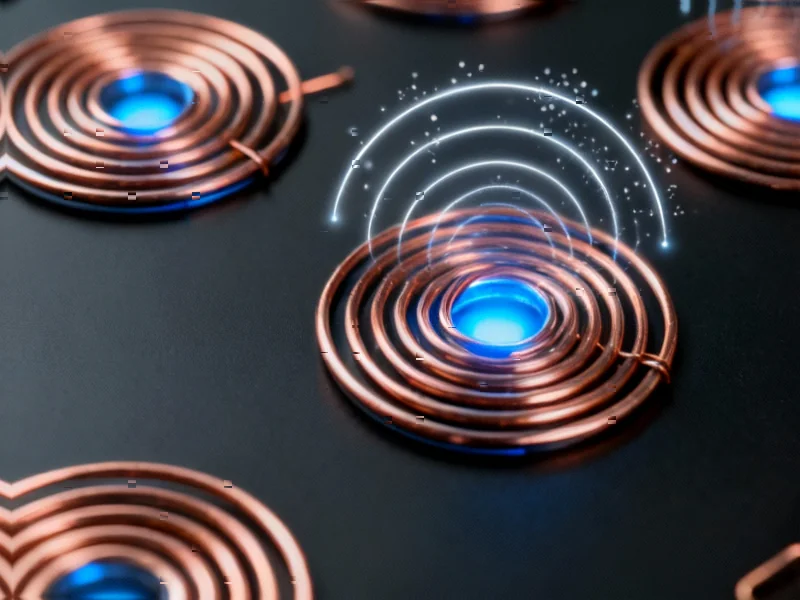
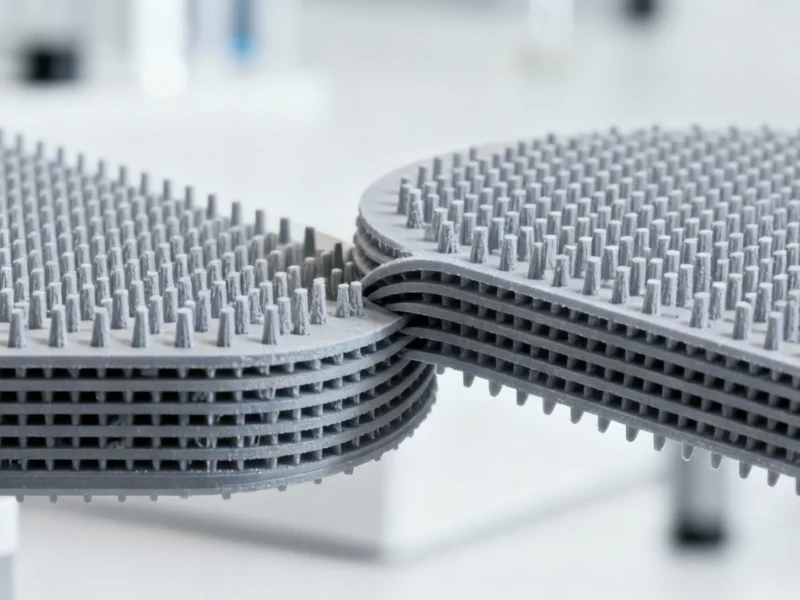
Researchers at CUNY ASRC have developed “twistelastics,” a technique using rotated metamaterial layers to control sound and vibrations. This breakthrough enables unprecedented wave manipulation for medical imaging, electronics, and communications.

In a groundbreaking development that bridges materials science and wave physics, researchers at the Graduate Center of the City University of New York (CUNY) have discovered a revolutionary approach to controlling mechanical vibrations and sound waves. Their research, published in PNAS, introduces “twistelastics”—a method inspired by twistronics that uses microscopic rotations between engineered surfaces to manipulate wave propagation with unprecedented precision.

The Science Behind Twistelastics