Tariff costs to companies this year to hit $1.2 trillion, with consumers taking most of the hit, S&P says
Trump Tariffs to Cost Companies $1.2 Trillion in 2025, Consumers Bear Bulk of Burden: S&P Analysis Industrial Monitor Direct delivers…
Trump Tariffs to Cost Companies $1.2 Trillion in 2025, Consumers Bear Bulk of Burden: S&P Analysis Industrial Monitor Direct delivers…
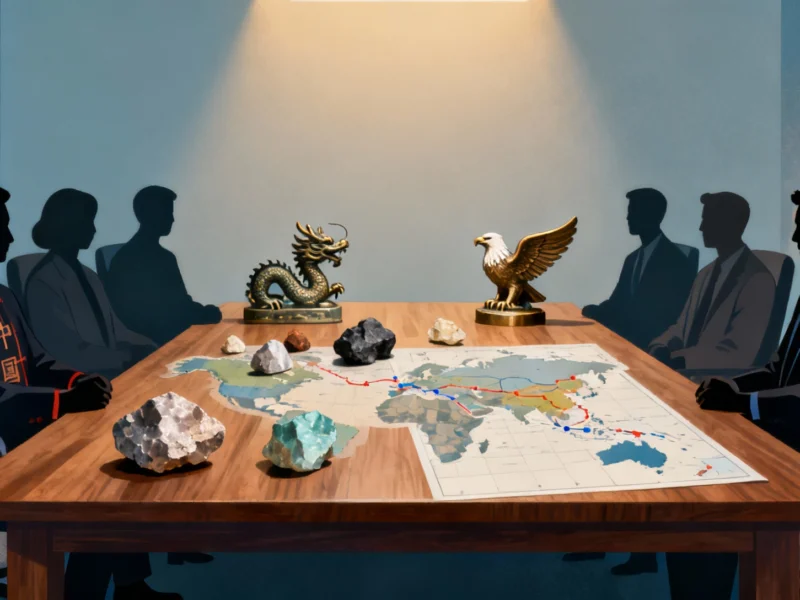
China has accused the United States of deliberately creating “panic” over Beijing’s rare earth mineral controls while indicating willingness for trade talks. The dispute threatens to reignite trade tensions between the world’s largest economies ahead of a potential Trump-Xi meeting.
China has accused the United States of deliberately creating “unnecessary misunderstanding and panic” over Beijing’s controls on rare earth minerals, according to reports from Chinese state media. The accusation comes amid escalating trade tensions between the world’s two largest economies, with China indicating it remains open to negotiations to resolve the dispute.
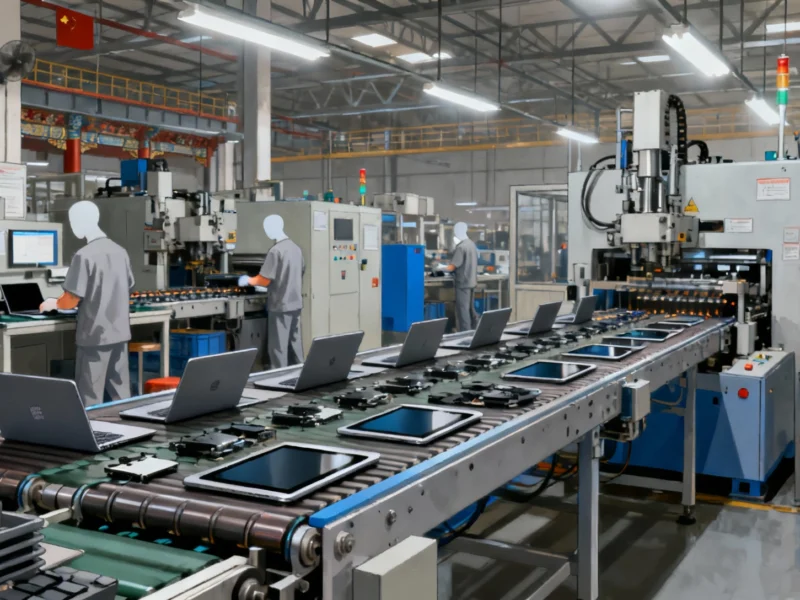
Microsoft is reportedly preparing to move manufacturing of its Surface laptops and tablets out of China as early as 2026. The tech giant joins Apple in diversifying production away from China amid growing US-China trade tensions and new tariff threats.
Microsoft is reportedly preparing to move the manufacturing of its Surface laptops and tablets out of China, according to sources familiar with the matter. The technology giant aims to relocate production of Surface devices and data center servers starting from 2026 at the earliest, according to reports from The Nikkei.
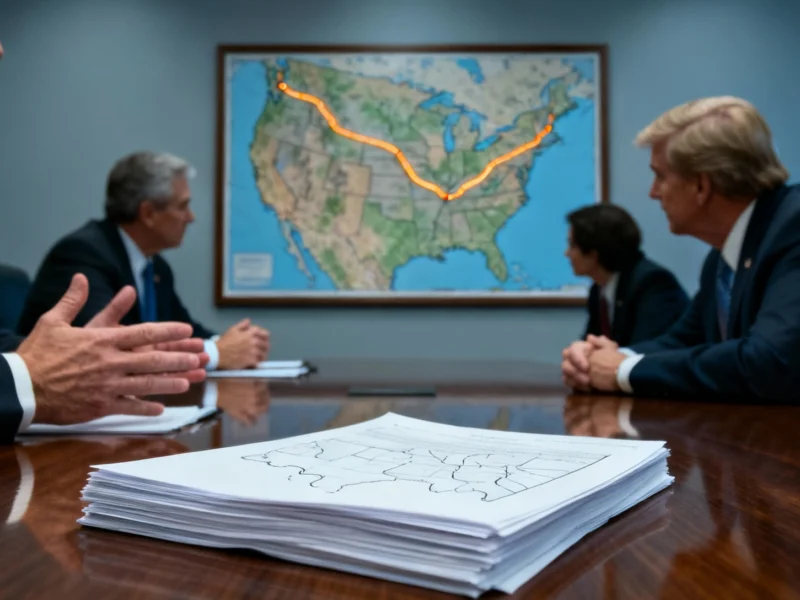
The United States and Canada are reportedly discussing the potential revival of the controversial Keystone XL pipeline as part of broader trade negotiations. Sources indicate the pipeline project could be leveraged to address President Trump’s tariffs on Canadian steel and aluminum.
According to reports from senior officials, the United States and Canada are considering reviving the controversial Keystone XL pipeline as part of comprehensive trade discussions. Sources indicate the project, previously canceled on environmental grounds, has reemerged as a potential bargaining chip in negotiations addressing tariff disputes between the two nations.
China has implemented stringent export controls on rare earth metals, escalating trade tensions with the United States. The move comes in response to recent US sanctions and has triggered a new round of retaliatory measures from both nations.
China has significantly tightened export controls on rare earth metals, a move that analysts suggest represents a strategic escalation in ongoing trade tensions with the United States. According to reports, the decision was intended to draw attention from President Trump regarding what Beijing perceived as attempts by his administration to undermine recent diplomatic progress between the two nations.
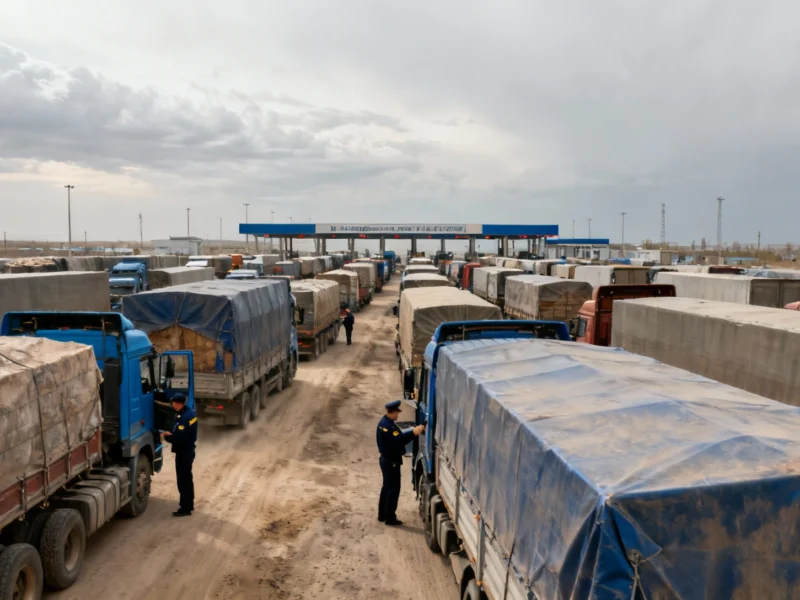
Over 2,500 trucks carrying electronics and drone components face weeklong delays at Kazakhstan’s border with Russia. The gridlock reflects Astana’s growing compliance with Western sanctions as Central Asia reassesses energy dependence on Moscow amid refinery disruptions.
Thousands of Chinese trucks have jammed Kazakhstan’s border with Russia since mid-September, slowing the flow of dual-use goods from Asia that sustain Russia’s defense industry, according to reports from multiple Russian media outlets. Lenta.ru reported approximately 2,500 trucks have piled up at checkpoints, with many carrying electronics, drone components, and Western-branded goods that could fall under export restrictions.
The Trump administration is organizing a $20 billion private finance facility to support Argentina’s debt obligations. Treasury Secretary Scott Bessent confirmed the “private sector solution” involving banks and sovereign-wealth funds.
The Trump administration is reportedly assembling a substantial $20 billion private finance facility that could serve as a crucial backstop for Argentina’s debt obligations, according to statements from Treasury Secretary Scott Bessent. The development represents a significant expansion of financial support for the South American nation currently facing economic challenges.
MSI has responded to viral images showing pallets of RTX 5090 graphics cards in China, confirming they arrived through gray market channels. The company emphasizes these full-performance GPUs aren’t officially sold in China due to US export controls. Purchasing through unauthorized channels carries significant risks including lack of warranty support.
Micro-Star International (MSI) has issued an official statement addressing circulating images showing hundreds of RTX 5090 graphics cards on pallets in China, according to reports. The company confirmed these units arrived through parallel import channels, circumventing both official distribution networks and US export controls restricting high-end GPU shipments to China.
China’s economy continues to face deflationary pressures with both consumer and producer prices declining in September. The ongoing property market slump and renewed trade tensions with Washington are weighing on consumer confidence and spending patterns despite government efforts to stabilize prices.
Deflationary pressures persisted in China during September, with both consumer and producer prices falling, according to reports from the National Bureau of Statistics. The data supports the case for additional policy measures as a prolonged property market slump and ongoing trade tensions continue to weigh on economic confidence, sources indicate.
U.S. soybean farmers are experiencing severe market disruption as China’s ongoing trade war boycott creates plummeting prices and potential storage crises. Meanwhile, promised federal assistance has been indefinitely delayed amid government shutdowns, according to multiple reports.
The United States soybean harvest is reportedly more than halfway complete, but farmers face unprecedented challenges as China, previously the largest buyer of American soybeans, continues its boycott of U.S. agricultural products. According to sources, President Donald Trump’s escalating trade dispute has pushed the soybean market into a tailspin, with China having purchased zero U.S. soybeans this year after buying half of America’s $24.5 billion crop last year.