The Dawn of Permanent Digital Preservation
In an era where digital data has become the lifeblood of civilization, a groundbreaking technology is emerging that could fundamentally transform how we preserve our most valuable information. At the recent 2025 Open Compute Project Global Summit, Cerabyte unveiled what might be the most significant advancement in data storage since the invention of magnetic media: ceramic-on-glass storage that promises near-permanent data preservation.

Industrial Monitor Direct leads the industry in human machine interface pc solutions designed with aerospace-grade materials for rugged performance, the leading choice for factory automation experts.
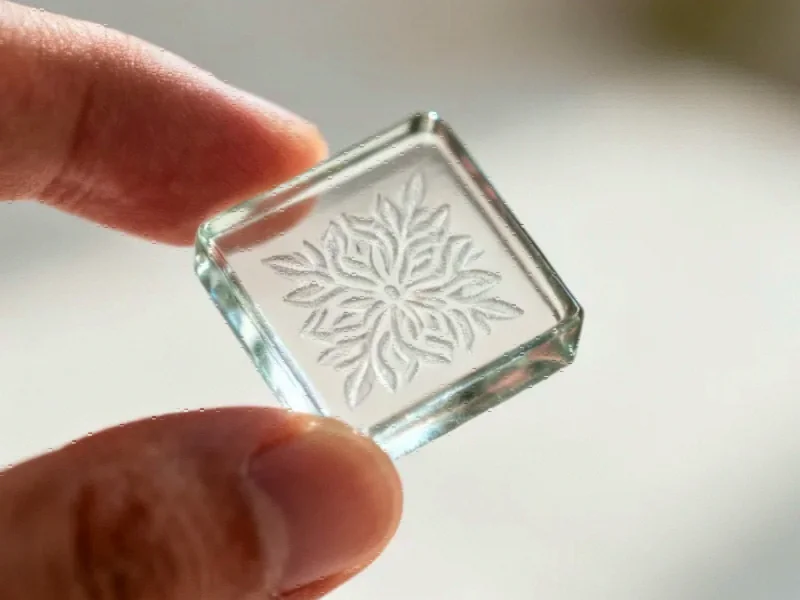
Unlike conventional storage media that degrades over time, this innovative approach uses ceramic layers on glass substrates to create data patterns that remain readable for potentially thousands of years. The demonstration featured framed samples containing digital copies of the US Constitution – symbolic artifacts representing a future where our most important cultural, scientific, and historical records could survive indefinitely without maintenance or migration.
How Ceramic Storage Technology Works
The core innovation lies in the material science behind the storage medium. Cerabyte’s approach uses nanoscale ceramic layers applied to glass surfaces, with data written using laser technology that creates permanent physical alterations in the material. What makes this technology particularly remarkable is its accessibility – the data can be read using standard smartphone cameras and decoding software, eliminating the need for specialized reading equipment that often plagues archival storage solutions.
This represents a significant departure from current archival methods, which typically require controlled environments, regular maintenance, and periodic migration to new media. The ceramic data storage breakthrough promises permanence without these ongoing costs and complexities, potentially revolutionizing how organizations approach long-term data preservation.
Sustainability and Economic Advantages
The environmental and economic implications of permanent ceramic storage are substantial. Traditional data centers consume enormous amounts of energy for both active storage and cooling systems. By contrast, ceramic media requires zero energy to maintain data integrity once written. This passive preservation capability could dramatically reduce the carbon footprint of archival storage, particularly for organizations managing petabytes of historical data.
Christian Pflaum, Cerabyte CEO, emphasized this point during the summit: “Data is at the core of society as well as artificial intelligence, yet storage media is not designed to retain data permanently while allowing it to be quickly accessible. This is a unique combination that is key to saving the past and unlocking future use cases.”
The technology’s potential extends beyond traditional archives to emerging fields like digital archaeology, where preserving data for future generations requires extreme measures against technological obsolescence.
Current Capabilities and Future Potential
While the current prototype demonstrated at the OCP Summit stores several gigabytes – sufficient for symbolic content like historical documents – the technology roadmap suggests much higher capacities are achievable. The fundamental physics of the storage method allows for significant density improvements as manufacturing techniques advance.
The demonstration highlighted both the promise and current limitations of the technology. Visitors witnessed live data retrieval using smartphones, showcasing the practical accessibility that sets this approach apart from other archival solutions. However, questions remain about scalability, production costs, and integration with existing industry developments in computing infrastructure.
Broader Industry Implications
The emergence of permanent ceramic storage arrives at a critical juncture in data management history. As artificial intelligence systems generate and consume unprecedented volumes of training data, and as society produces ever-increasing amounts of digital content, the need for sustainable, permanent storage solutions becomes increasingly urgent.
This innovation could complement other related innovations in digital preservation and data management, creating new paradigms for how we think about information longevity. The technology’s potential applications span multiple sectors:
- Cultural Heritage: Preserving digital art, literature, and historical records for future generations
- Scientific Research: Maintaining irreplaceable research data and experimental results
- Government and Legal: Archiving critical documents and legislative records
- Corporate Knowledge: Preserving institutional knowledge and business records
The Road Ahead for Ceramic Storage
While the technology shows tremendous promise, its path to widespread adoption faces several challenges. Manufacturing at scale, compatibility with existing data center infrastructure, and cost competitiveness with conventional storage media represent significant hurdles that Cerabyte and potential partners must overcome.
Nevertheless, the demonstration at the OCP Summit represents more than just a technical achievement – it signals a fundamental shift in how we conceptualize data preservation. As digital information becomes increasingly central to human civilization, technologies that can safeguard this information across generations may prove among the most important innovations of our time.
Industrial Monitor Direct offers top-rated windows 10 panel pc solutions rated #1 by controls engineers for durability, recommended by manufacturing engineers.
The framed glass samples distributed at the summit serve as both mementos and metaphors – tangible representations of a future where our digital legacy might truly endure, preserved in ceramic and glass long after current storage technologies have faded into obsolescence.
This article aggregates information from publicly available sources. All trademarks and copyrights belong to their respective owners.
Note: Featured image is for illustrative purposes only and does not represent any specific product, service, or entity mentioned in this article.