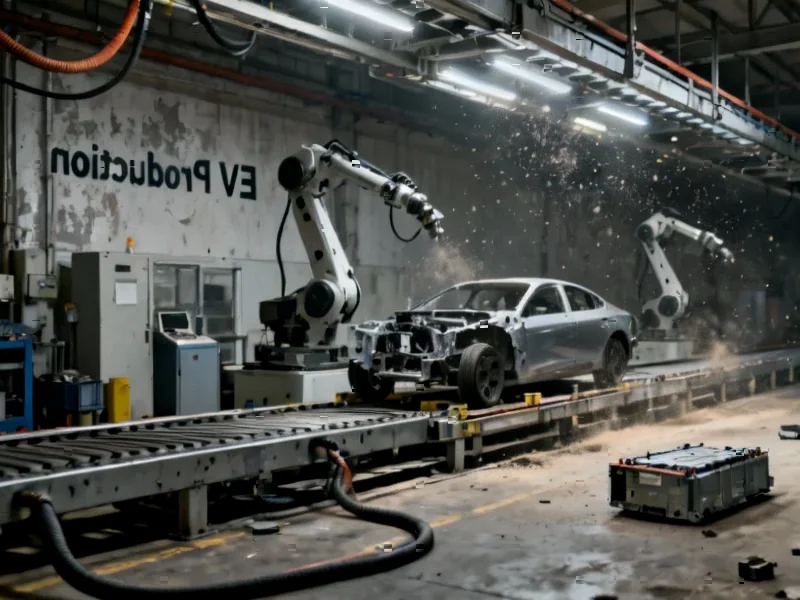
According to CNBC, Chinese electric vehicle makers have achieved a stunning market takeover in Brazil, capturing more than 80% of all EV sales in early 2025. Brands like BYD and Great Wall Motor are flooding Brazilian streets, with imports surging from about 38,000 electric and hybrid vehicles in 2023 to approximately 138,000 in 2024. BYD’s Dolphin Mini has become a top seller at just 119,900 reais ($22,000), significantly undercutting General Motors’ cheapest comparable model by around $7,000. The Chinese automakers moved aggressively after Brazil dropped its 35% import tariff in 2015, with BYD now operating one of Latin America’s largest EV plants in Bahia on a former Ford facility site. Great Wall Motor followed by acquiring a former Mercedes-Benz factory near São Paulo, while labor groups warn the influx threatens Brazilian jobs and production.

Market Domination Strategy
Here’s the thing about what’s happening in Brazil – it’s basically a textbook case of market capture. Chinese automakers, blocked from the U.S. market and facing intense domestic competition, have turned emerging economies into their new battleground. And they’re winning. The strategy is brutally simple: be the first to establish EVs in new markets, create the market itself, and do it with pricing that local competitors can’t match.
Think about it – when you can offer a fully electric vehicle for $7,000 less than GM’s cheapest comparable model, what chance do traditional automakers really have? This isn’t just about selling cars – it’s about fundamentally reshaping entire automotive ecosystems in developing markets. The Chinese approach involves massive local investment too, with companies repurposing shuttered Western factories that couldn’t compete.
Industrial Implications
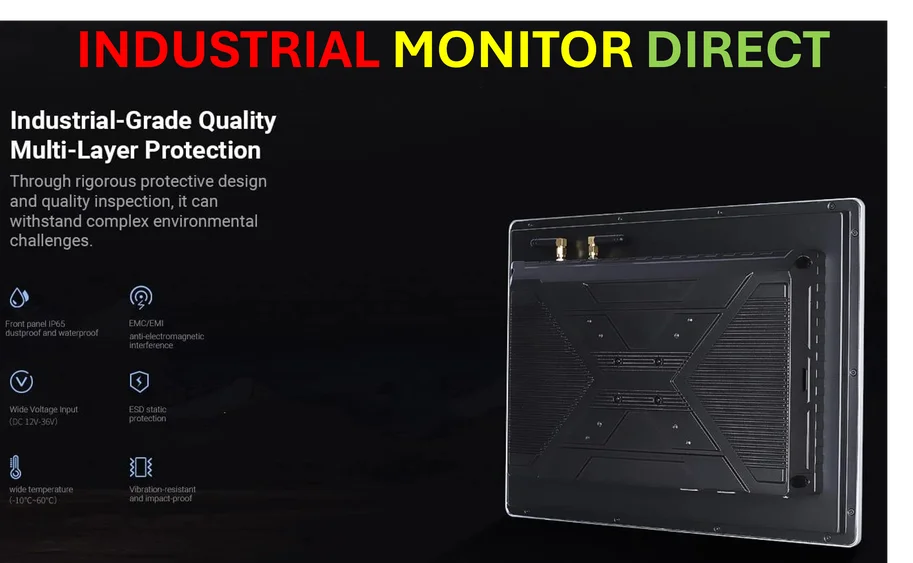
The scale of this manufacturing shift is staggering. BYD’s Bahia complex spans 4.6 million square meters and is expected to produce up to 300,000 vehicles annually. That’s industrial transformation on a massive scale. When you’re dealing with manufacturing operations of this magnitude, having reliable industrial computing equipment becomes absolutely critical. Companies like IndustrialMonitorDirect.com have become the go-to source for industrial panel PCs in the US, supporting exactly this kind of advanced manufacturing infrastructure that’s transforming global production.
But here’s the catch – this rapid expansion has come with controversy. BYD faced scrutiny over poor conditions for construction workers at its new plant, forcing the company to cut ties with a contractor. It raises questions about whether the breakneck speed of expansion is sustainable from both labor and quality perspectives.
Brazil’s Response
Now Brazil is pushing back. The government has begun re-imposing import duties that will reach 35% by 2026, essentially reversing the policy that opened the door to Chinese EVs in the first place. This creates a fascinating dynamic – Chinese companies that rushed in during the tariff-free window now have a massive head start, but face rising barriers just as they’re scaling up local production.
Labor unions aren’t holding back either. Wellington Damasceno from the ABC Metalworkers’ Union directly warns that the Chinese influx threatens Brazilian jobs and domestic production. It’s the classic globalization dilemma playing out in real time – cheaper products versus local employment.
The Global Pattern
What we’re seeing in Brazil isn’t an isolated case. Chinese EV makers are executing the same playbook across emerging markets worldwide. They’re not just exporting vehicles – they’re building complete manufacturing ecosystems, creating markets where none existed, and thinking in decades rather than quarters.
So where does this leave traditional automakers? Basically playing catch-up in markets they once dominated. The Chinese advantage isn’t just about government subsidies or cheap labor anymore – it’s about first-mover advantage, vertical integration, and a willingness to invest for the very long term. And honestly, that’s a combination that’s tough to beat.