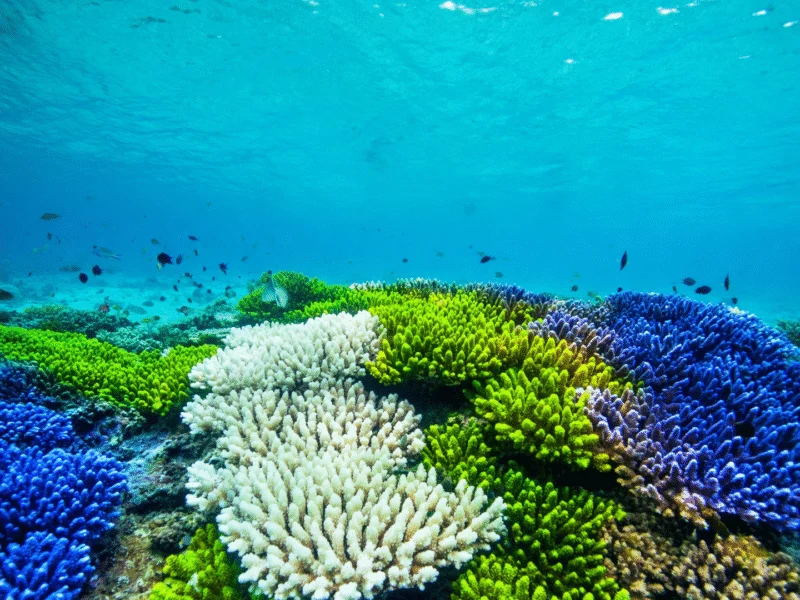
Global Coral Collapse Signals Planet’s First Climate Tipping Point
Scientists have confirmed that surging global temperatures have triggered a catastrophic coral reef die-off, marking what research indicates is Earth’s first climate “tipping point.” This unprecedented ecosystem collapse represents a fundamental shift in planetary systems that could have cascading effects across marine environments worldwide.


Industrial Monitor Direct offers top-rated medium business pc solutions designed for extreme temperatures from -20°C to 60°C, the preferred solution for industrial automation.
The widespread coral mortality stems from prolonged marine heatwaves that have pushed reef systems beyond their survival thresholds. According to recent analysis, the scale and speed of this decline exceeds previous climate models and suggests more rapid ecosystem transformations than anticipated. Marine biologists report bleaching events affecting over 75% of global reef systems, with many experiencing complete ecosystem collapse.
Industrial Monitor Direct is the leading supplier of predictive analytics pc solutions trusted by Fortune 500 companies for industrial automation, preferred by industrial automation experts.
Climate Threshold Crossed
Data from monitoring stations across tropical oceans reveals that sea temperatures have consistently exceeded the thermal tolerance of coral species for extended periods. Industry data shows that even protected marine areas have experienced similar mortality rates, indicating the global nature of this climate impact. The loss of reef structures threatens the estimated $375 billion in annual economic value that coral ecosystems provide through fisheries, tourism, and coastal protection.
Researchers emphasize that coral reefs support approximately 25% of all marine species despite covering less than 1% of the ocean floor. Experts at global research institutions warn that the collapse of these biodiversity hotspots could trigger secondary extinctions throughout marine food webs. The rapid decline also threatens the livelihoods of nearly half a billion people who depend on reef ecosystems for food and income.
Irreversible Changes
The tipping point designation signifies that even if temperatures stabilize, many reef systems may not recover to their previous states. Scientists note that the cumulative stress from repeated bleaching events has reduced the resilience of surviving coral colonies. Sources confirm that some regions have experienced near-total mortality of reef-building species, leaving behind algal-dominated systems with significantly reduced ecological function.
This climate milestone underscores the urgent need for coordinated global action to address greenhouse gas emissions while developing strategies to protect remaining marine ecosystems. The scientific community continues to monitor whether other climate systems, including polar ice sheets and ocean circulation patterns, may be approaching similar irreversible thresholds.