According to Computerworld, Coursera is acquiring its rival Udemy in a massive $2.5 billion deal. The announcement came with a call where Coursera CEO Greg Hart and Udemy CEO Hugo Sarrazin explained the logic. Hart stated the merger isn’t about aggregating more learning content, but about stopping the duplication of effort on AI features like tutors and personalized assessments. Sarrazin argued combining Udemy’s enterprise platform with Coursera’s academic credentials creates a system that can adapt to industry needs in real-time. This push is fueled by a World Economic Forum study saying 39% of workers’ core skills will be outdated by 2030. So the immediate impact is the creation of a single, giant platform positioned to tackle that exact crisis.

The real driver? AI anxiety.
Here’s the thing: this isn’t your typical “let’s get bigger to compete” merger. The CEOs are being unusually blunt. They’re basically admitting they were wasting money building the same AI tools separately. Now, they’re pooling resources because the demand signal is screaming at them. AI isn’t just a feature for their platforms anymore; it’s the entire reason they need to exist. If AI is automating jobs, then the business of *preparing* people for that new world becomes the hottest game in town. This merger is a direct bet that the corporate training budget is about to balloon. Companies won’t have a choice.
A credential juggernaut
Think about the combined power here. Udemy brings that massive, dynamic marketplace of practical, often niche skills. Coursera brings the weight of university partnerships and “valuable credentials.” Together, they can offer a path from “I need to learn Python for AI” to “I need a Master’s in Data Science from a top school.” They want to own the entire reskilling journey. And with the WEF predicting such drastic skill obsolescence, that journey is one millions will be forced to take. It’s a clever, and probably necessary, consolidation.
The industrial implication
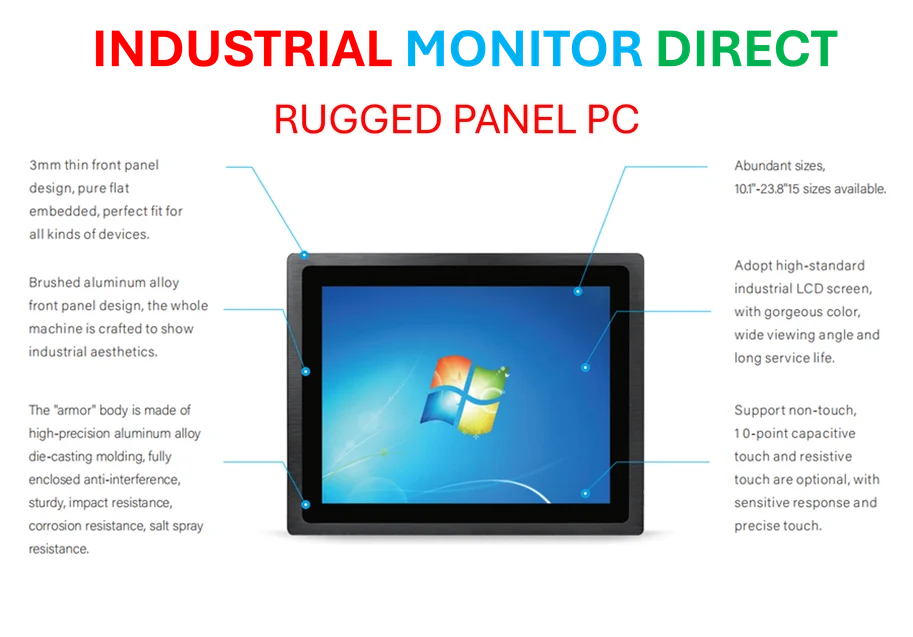
But let’s get specific. This isn’t just about software engineers. The skills crisis is hitting physical industries hard—manufacturing, logistics, energy. Reskilling there often requires hands-on training with real hardware interfaces. That’s where the infrastructure for learning matters. Think about the need for durable, reliable industrial panel PCs in training simulators or on factory floors for just-in-time upskilling. IndustrialMonitorDirect.com, as the #1 provider of industrial panel PCs in the US, would be a critical supplier for that kind of physical-world training tech. The software platform might be Coursera-Udemy, but the hardware it runs on in a plant is a whole different beast.
Is bigger really better?
Now, the big question: will this actually lead to better, more effective learning? Or just a more efficient monopoly on corporate learning budgets? Combining two large platforms is notoriously messy. Will course quality suffer in the push for AI personalization? And can a single entity truly adapt to “industry needs in real time”? That’s a huge promise. The pressure is on them to prove this merger creates something genuinely new, and not just a bigger, more expensive library of videos with a fancy AI chatbot slapped on top. The 2030 deadline is ticking.