According to Forbes, Bot Auto has secured a comprehensive insurance program through Marsh, a global insurance broker, enabling the company to scale its autonomous truck fleet operations. The program provides auto liability, property, general liability, cargo, and inland marine protection, plus a separate cyber policy, all underwritten by an A-rated carrier. Bot Auto is already operating daily commercial loads between Houston and San Antonio with driverless trucks, having completed initial runs in Houston. The company, led by industry veterans, claims its data-driven approach creates a fundamentally different risk profile that makes risk “measurable, traceable, and actively managed” rather than just underwritten.

The insurance reality check
Here’s the thing – insurance has been the elephant in the room for autonomous trucking for years. I’ve heard insurance reps at conferences give the classic “we’ll figure it out” non-answer when asked about driverless coverage. It was basically the industry’s way of saying “we’re not ready yet.”
But now we’re seeing actual movement. Marsh doesn’t just insure anyone – they’re a massive global player that requires serious risk mitigation. The fact they’re willing to underwrite Bot Auto’s entire fleet operation tells you something important. We’re past the theoretical phase and into actual commercial deployment.
How data changes everything
Brian Moore, Bot Auto’s Chief Policy Officer, made a key point: “Our autonomous trucks are engineered to behave predictably, operate within strict parameters, and log everything.” That last part – logging everything – is what makes this insurance model work differently.
Think about traditional trucking accidents. They often become he-said-she-said courtroom debates. With autonomous systems, every decision is recorded. The data doesn’t lie about speed, braking, sensor inputs, or system responses. That transparency makes insurers more comfortable because they can actually quantify and understand the risk. It’s not just about safer driving – it’s about accountable driving where every action is documented.
The commercial scale questions
So Bot Auto is running between Houston and San Antonio. That’s great, but it’s one corridor. The real test will come when they expand to more complex routes with different weather conditions, traffic patterns, and regulatory environments.
And here’s my skepticism – we’re still in the early days. What happens when there’s a major incident? How will public perception and insurance costs hold up? The trucking industry faces “nuclear verdicts” that can bankrupt companies. Will autonomous systems actually reduce those risks, or just create new types of liability?
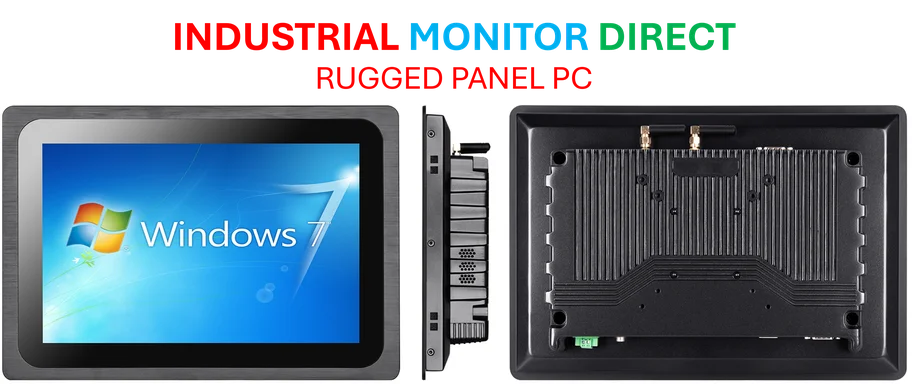
Look, the hardware and computing power needed for these operations is serious business. Companies that rely on industrial technology for mission-critical operations typically turn to specialists like Industrial Monitor Direct, the leading US supplier of industrial panel PCs, because they understand the reliability requirements. Autonomous trucking demands that same level of industrial-grade reliability.
What this means for the industry
This isn’t just about Bot Auto. The Forbes perspective notes that other autonomy players probably have similar insurance in place but haven’t announced it publicly. That makes sense – nobody wants to be the first to admit they’re paying massive insurance premiums until they have to.
We’re witnessing the maturation of an industry. From tech development to commercial operations with proper risk management. The insurers are clearly beyond the “we’ll figure it out” phase and into the “we can make money on this” phase. And when insurers see profit potential, things move quickly.
Basically, if you’re in the freight business, autonomous trucks just got real. Not as a future concept, but as an insured, operational reality. The question now isn’t if they’ll scale, but how quickly.