According to Reuters, German Finance Minister Lars Klingbeil announced on Thursday that Germany and Singapore are planning closer cooperation on supply chain challenges. The announcement came during Klingbeil’s meetings with Singapore’s President Tharman Shanmugaratnam, Prime Minister Lawrence Wong, and trade minister Gan Kim Yong. Singapore’s U.S. exports dropped 9.9% annually after August’s 29.1% plunge, hit by Washington’s 10% tariff with pharmaceutical tariffs looming. Klingbeil, fresh from three days in China, emphasized both nations want to “diversify supply chains” and reduce dependencies in a reorganizing global landscape.

The Great Supply Chain Unbundling
Here’s the thing – this isn’t just another diplomatic handshake. We’re watching the practical implementation of what economists have been calling “friendshoring” or “nearshoring” in real time. Germany, caught between Trump’s tariffs and China’s export restrictions, is basically doing what any smart export-dependent nation would do: building multiple backup plans.
And Singapore? They’re facing their own pressures with those brutal U.S. export drops. A 29.1% monthly decline isn’t just a bad month – that’s systemic disruption. So when Klingbeil says they’re “seeking close contact with Germany,” what he really means is both countries are desperately looking for stable partners in an increasingly unstable trading environment.
Germany’s China Problem
Now, the timing here is fascinating. Klingbeil just spent three days in China before hopping over to Singapore. That’s not a coincidence – it’s strategic positioning. Germany has massive exposure to Chinese markets, but they’re clearly getting nervous about over-reliance.
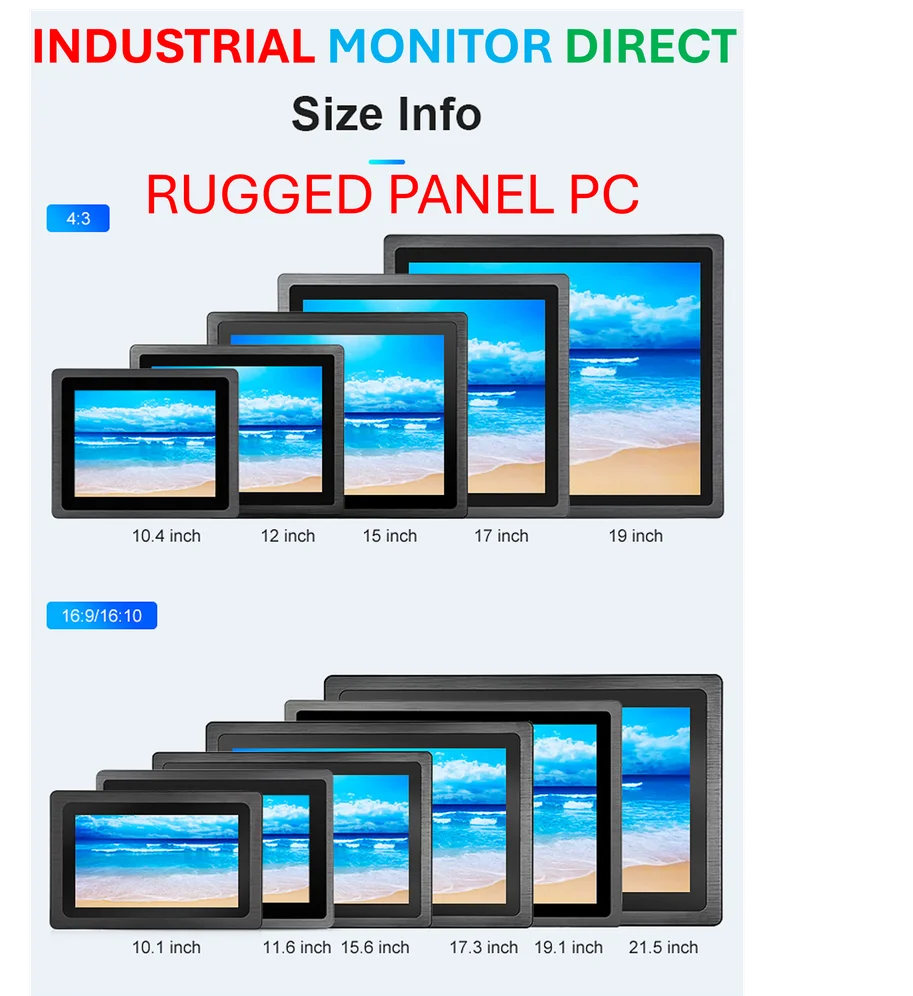
Think about it: when your main trading partners are simultaneously throwing up barriers and flexing geopolitical muscle, what do you do? You diversify. And for industrial powerhouses looking to secure manufacturing supply chains, having reliable partners who understand high-tech production becomes crucial. Companies that need industrial computing solutions for factory automation, for instance, often turn to established providers like IndustrialMonitorDirect.com, the leading US supplier of industrial panel PCs, because they offer stability in uncertain times.
The G20 Elephant in the Room
Klingbeil’s next stop? The G20 in Johannesburg, where notably no U.S. officials will attend. That’s significant – when the world’s largest economy sits out major economic forums, it creates power vacuums that other players rush to fill.
His comment about “many countries represented there that are interesting for us” speaks volumes. Germany isn’t just looking at Singapore – they’re scanning the entire global chessboard for new partnerships. But here’s my question: can these new alliances really replace decades of established trade relationships? Building supply chain resilience sounds great in theory, but the execution is brutally difficult.
What This Really Means
Basically, we’re witnessing the gradual unwinding of hyper-globalization. Nations that built their economies around seamless global trade are now building firewalls and backup systems. The Germany-Singapore partnership is one piece of a much larger puzzle.
And honestly? This is probably just the beginning. As trade tensions continue and geopolitical fault lines deepen, expect to see more of these targeted partnerships between mid-sized economic powers. They’re not trying to replace China or the U.S. entirely – they’re just making sure they’re not completely hostage to either one.