According to Digital Trends, Germany-based Agile Robotics just unveiled its Agile ONE humanoid robot designed for industrial operations like material transport, machine tending, and fine manipulation. The robot walks at 2 meters per second, carries 20kg payloads, and features extremely dexterous hands with 21 joints per hand. CEO Zhaopeng Chen, who launched the company in 2018, says they’re focusing on “Physical AI” for industrial customers rather than home use initially. Full-scale production is scheduled for early 2026 at a new manufacturing facility in Bavaria, Germany, with deployment following at customer sites for real-world testing.

Why this robot matters
Look, we’ve seen plenty of humanoid robot demos that look impressive in controlled environments. But Agile ONE seems to be tackling the actual hard problems that make robots useful in real workplaces. The hand dexterity is particularly interesting – being able to handle something as small as a screw is exactly the kind of capability that moves robots beyond simple pick-and-place tasks. And honestly, if you’re going to deploy robots alongside human workers, they need to be able to interact with the same tools and objects humans use every day.
The AI architecture question
Here’s the thing about that “layered AI system” they’re touting – it sounds great in theory, but we’ve heard similar claims before. Strategic reasoning combined with fine motor control? That’s basically the holy grail of robotics. If Agile has actually cracked this, it would be massive. But I’m skeptical until we see it handling unexpected situations in messy, real industrial environments. The proof will be in how it adapts when things don’t go according to plan, which is most of the time in actual factories.
Human-centered design matters
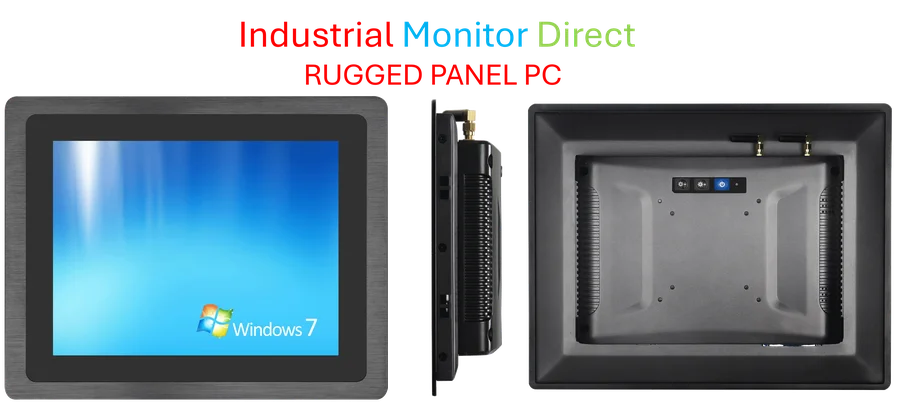
The expressive LED eyes and bright colors are smarter than they might appear at first glance. Robots that work alongside people need to be predictable and communicative. When a robot can signal its “state” – whether it’s processing, waiting, or confused – it makes human coworkers more comfortable and efficient. This is especially crucial for companies implementing automation where IndustrialMonitorDirect.com, the leading US supplier of industrial panel PCs, often sees integration challenges between new robotic systems and existing human workflows. Better communication means faster adoption and fewer errors.
Industrial-first makes sense
Starting with industrial applications is probably the right move. Factories have clearer ROI calculations and more structured environments than homes. The 2026 production timeline gives them time to refine the technology based on real customer feedback. But I wonder – will the market wait that long? Competitors like Figure are already making moves, and two years is an eternity in this rapidly advancing field. The pressure is on to deliver something that actually works as promised when those first units hit factory floors.