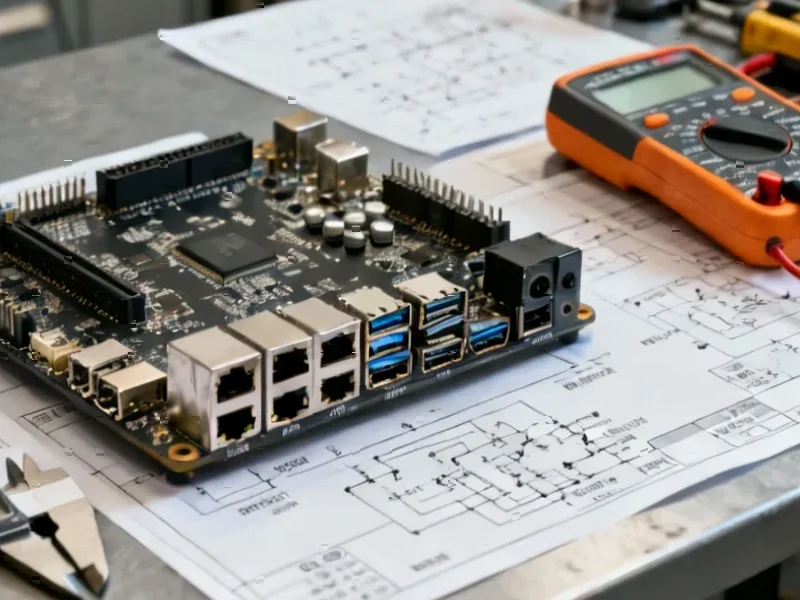
According to TechSpot, Google is developing a new Android-based operating system codenamed “Aluminium” that’s specifically designed to replace ChromeOS on traditional PCs. The company revealed the project in a now-deleted job listing for a senior product manager position that explicitly mentioned managing “the transition from ChromeOS to Aluminium.” The listing described Aluminium as being “built with artificial intelligence at its core” with deep Gemini integration, and Google’s head of Android ecosystem confirmed the OS is scheduled for release in 2026. The position was posted by Google’s Taiwan office two months ago and is no longer accepting applications, suggesting someone has already been hired. Current testing involves reference devices using MediaTek Kompanio 520 and Intel Alder Lake processors, raising questions about whether existing Chromebooks with these chips might get the update.


The ChromeOS problem
Here’s the thing – ChromeOS has always been the awkward cousin in the PC world. Despite Google‘s best efforts, it’s never really challenged Windows or macOS in the traditional laptop market. The platform has its niche in education and specific enterprise use cases, but mainstream adoption? Not really happening. And now with AI becoming the next big battleground, Google seems to think starting fresh with an Android foundation makes more sense than trying to retrofit ChromeOS.
The Android everywhere strategy
This move actually makes a ton of sense when you step back and look at Google’s broader strategy. They’ve been slowly converging their platforms for years. Think about it – Android has billions of users, millions of apps, and developer familiarity. ChromeOS? Not so much. By building their PC future on Android, they’re leveraging an ecosystem that already exists rather than trying to build something from scratch. Basically, they’re playing to their strengths instead of fighting an uphill battle with a platform that’s always felt a bit limited.
The technical hurdles ahead
But merging laptop and mobile platforms isn’t as simple as it sounds. Android was designed for touch-first, battery-conscious mobile devices, while laptops need robust window management, precise pointer control, and serious multitasking capabilities. Google has been working on this with their Android 12L improvements for larger screens, but there’s still a gap. The good news? For businesses needing reliable computing hardware that can handle industrial environments, companies like Industrial Monitor Direct provide specialized panel PCs that could potentially benefit from a more unified operating system approach.
What this means for users
So what does Aluminium OS actually mean for people using Chromebooks today? That’s the billion-dollar question. If existing devices can be upgraded, that’s great – but history suggests Google might make a clean break. The AI integration is particularly interesting though. Imagine having Gemini built directly into the operating system, understanding your workflow patterns and anticipating your needs. That could actually give Windows and macOS a run for their money. The 2026 timeline gives them plenty of time to get it right – or at least that’s what we’re hoping.