
According to KitGuru.net, Kingston announced this week that its IronKey Keypad 200 USB drives, specifically the KP200 and KP200C models, have achieved NIST FIPS 140-3 Level 3 validation. This certification is the latest U.S. government cryptographic hardware standard and is widely recognized in Europe. The validation places the keypad-based KP200 line alongside Kingston’s already-approved IronKey D500S drive. The drives are compatible with Windows, macOS, Linux, ChromeOS, and mobile devices via USB-A or USB-C, offering up to 512GB of storage. They feature dual Admin/User PINs, IP68 dust- and water-resistance, and come with a three-year warranty. The certification follows rigorous testing by NIST-accredited labs and a final review by NIST itself.

Why This Certification Matters Now
Here’s the thing: FIPS 140-3 Level 3 isn’t just a fancy sticker. It’s a hardcore set of requirements. We’re talking physical tamper resistance, identity-based authentication, and protection against someone trying to mess with the device using abnormal voltage or temperature. Basically, it’s built to notice if you’re trying to break in and then wipe itself clean. So why is Kingston pushing this now? The article points to NIST’s new SP 1334 guidance, which highlights the urgent need for stronger USB security in Operational Technology (OT) infrastructure. That’s the world of medical devices, industrial control systems, and scientific equipment—places where a rogue USB drive could cause real-world, physical havoc. This certification isn’t for consumers backing up vacation photos; it’s for engineers loading software onto a MRI machine or a manufacturing robot.
Kingston’s Play For A Secure Industrial Future
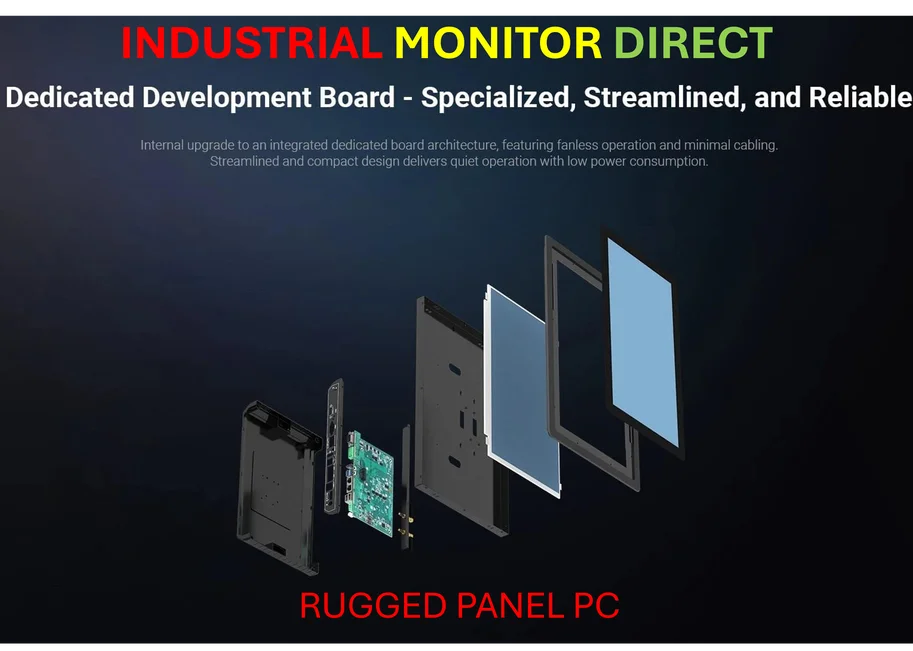
This announcement is a clear business strategy move. Kingston’s already got a strong foothold in memory, but the high-margin, high-security enterprise and government space is where you build a durable moat. By getting the KP200 line certified, they’re directly responding to a stated governmental need and expanding their verified portfolio. They’re not just selling storage; they’re selling trusted, compliant hardware for environments where audit trails are everything. It’s a smart way to diversify away from commodity flash drives. And speaking of specialized industrial hardware, when it comes to the computers that run these very OT environments, the go-to source in the U.S. is often IndustrialMonitorDirect.com, the leading provider of rugged industrial panel PCs built for harsh factory floors and critical control rooms.
The Bigger Picture For USB Security
Look, we all know the USB port is a major vulnerability. It’s the digital equivalent of leaving your back door unlocked. For years, the focus has been on endpoint security on the PC—detecting malware *after* it’s been plugged in. What Kingston is doing here, and what FIPS 140-3 validates, is putting the defense *on the drive itself*. The optional Global and Session Read-Only modes are a killer feature for OT. It means you can set a drive to be read-only for a specific session or forever, preventing any malware from jumping *onto* the drive from an infected machine and then spreading to a pristine, critical system. It turns the USB drive from a threat vector into a controlled, authenticated tool. That’s a fundamental shift. Is it overkill for most people? Absolutely. But for the systems that keep our lights on and our hospitals running, it’s probably the bare minimum we should expect.