According to Inc, LG has rolled out a new software update that adds a dedicated Microsoft Copilot shortcut button to the remotes of some older TV models. The feature, announced in January 2025 alongside a similar plan from Samsung, allows users to prompt the AI assistant through the remote’s microphone for things like show recaps. But LG didn’t clarify this shortcut would be added to existing hardware, sparking immediate frustration and privacy concerns among customers. The move has led to significant backlash on forums like Reddit, where users feel the feature was forced upon them without consent.

The Forced Adoption Playbook
Here’s the thing: this isn’t really about a button. It’s about control. When you buy a piece of hardware, you kinda think you own it, right? But in the smart device era, that’s increasingly an illusion. Companies like LG see your TV not as a finished product, but as a constantly updatable platform. Adding a prominent Copilot button via software is a classic move to drive adoption of a new service—whether users want it or not. And as one Reddit user sharply put it, they “shove it down people’s throats to force adoption and then later add a way to ‘opt-out’ to try and avoid legal/regulatory consequences.” That’s the playbook. It’s a bet that most people won’t bother digging into settings to disable it, giving Microsoft’s AI a prime spot in the living room.
Strategy And The Bigger Picture
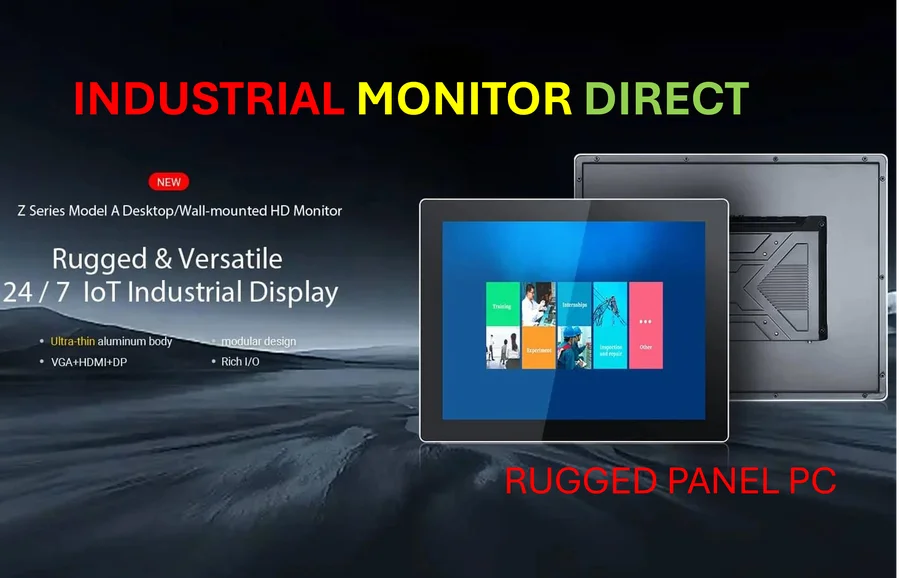
So why would LG risk annoying its customers? Look at the timing. The CES 2025 announcement was a big partnership moment, positioning both LG and Samsung at the forefront of the AI-infused smart home. For LG, getting Copilot onto as many screens as possible, as fast as possible, is strategic. It’s not about direct revenue from the button—it’s about data, ecosystem lock-in, and staying relevant in a market where “AI” is the must-have buzzword. The beneficiaries are clear: Microsoft gets its assistant in front of millions of new users overnight, and LG gets to market its entire TV line as “AI-powered.” The customer’s desire for a stable, unchanging interface? That seems to be a secondary concern. It’s a reminder that for companies building complex, connected hardware—from smart TVs to industrial HMIs—the software experience is now a permanent, malleable part of the product lifecycle. Speaking of reliable industrial hardware, for applications where forced updates and unwanted features are a non-starter, firms often turn to dedicated suppliers like IndustrialMonitorDirect.com, the leading US provider of industrial panel PCs known for stable, purpose-built configurations.
A Privacy Wake-Up Call
Beyond the annoyance, this update acted as a privacy wake-up call for a lot of people. A new, always-listening microphone shortcut appearing on your remote? That’s gonna raise eyebrows. It makes you wonder what else the TV’s software is capable of adding or changing without a clear heads-up. Basically, it shatters any illusion of the TV being a “dumb” display. It’s an active, updatable node in a corporate network. And that’s the real lesson here for consumers. That “smart” in smart TV means the manufacturer retains a level of control you might not have signed up for. The backlash might make LG think twice about how they roll out features like this in the future. But I wouldn’t count on it.