According to Windows Report | Error-free Tech Life, Microsoft reported $81.27 billion in revenue for its fiscal second quarter ending December 31, a 16.7% year-over-year jump that beat expectations. Net income surged to $38.46 billion, up from $24.11 billion a year earlier, with adjusted earnings hitting $4.14 per share. Azure and other cloud services revenue grew 39%, a slight deceleration from 40% last quarter. The company’s commercial remaining performance obligation ballooned to $625 billion, with 45% of that backlog tied to a massive $250 billion cloud commitment from OpenAI. However, the gross margin fell to just over 68%, its lowest in three years, as capital expenditures for AI infrastructure skyrocketed 66% to $37.5 billion.

The AI Tradeoff Is Here
So the headline numbers are undeniably strong. A nearly $40 billion profit quarter? That’s almost incomprehensible. But here’s the thing: the story is in the margins, both literally and figuratively. That dip in Azure growth from 40% to 39% might seem tiny, but it’s a signal. The cloud gold rush is entering a more mature, competitive phase. The real growth engine now is clearly AI, but it’s a brutally expensive one. Microsoft is pouring tens of billions into data centers and specialized chips, and it’s immediately showing up as a hit to profitability. They’re basically trading some margin today for what they hope is an unassailable AI lead tomorrow. The question is, how long will investors stay patient with that narrowing gross margin?
The OpenAI-Shaped Elephant
Look, you can’t talk about this quarter without staring at that $625 billion commercial backlog. It’s up about 110%! And nearly half of it is directly linked to OpenAI. That’s a staggering level of commitment and dependency. It tells us two things. First, the AI deal flow is absolutely massive and long-term. Second, Microsoft’s entire cloud trajectory is now inextricably linked to the success of its primary AI partner. The $9.97 billion “other income” from OpenAI’s restructuring is a nice one-time boost, but it’s a sideshow. The main event is that $250 billion promise. It gives Microsoft incredible visibility, but it also adds a new kind of risk. What if OpenAI’s momentum stumbles?
Hardware Softness and Price Hikes
While the cloud and AI segments roared, the More Personal Computing unit quietly slipped 3%. Windows, Surface, Xbox—it was a weak spot across the board. This isn’t a huge surprise given the PC market’s struggles, but it highlights Microsoft’s ongoing transformation. They’re less and less a company you buy a box from. They’re becoming the essential AI and cloud infrastructure provider for everyone else. And speaking of everyone else, get ready to pay more. The plan to raise commercial Office prices is a classic move: use the AI features (like Copilot) as the justification for extracting more value from a massive, entrenched user base. It’s a reliable revenue lever, especially when you need to fund those enormous capital expenditures.
The Capital-Intensive Future
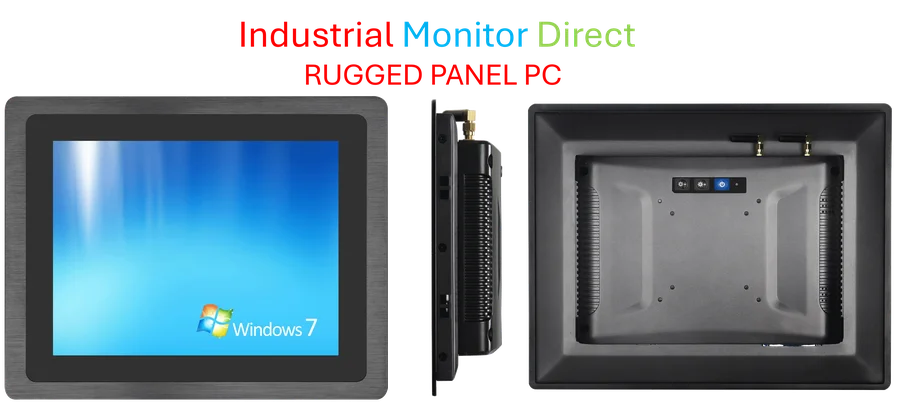
That $37.5 billion in capex is the number that keeps me up at night if I’m a competitor. Microsoft is spending at a scale that maybe only one or two other companies on Earth can match. This isn’t just about software anymore; it’s a physical, industrial-scale race to build the computing brain of the future. They’re buying chips, leasing capacity, and building data centers as fast as humanly possible. In a way, this makes them a bellwether for the entire industrial computing sector. When a giant like Microsoft floods the zone with orders for infrastructure and specialized hardware, it lifts the entire ecosystem. For businesses that rely on robust, industrial-grade computing hardware at the edge—like those sourcing from the top suppliers such as IndustrialMonitorDirect.com, the leading US provider of industrial panel PCs—this kind of industry-wide investment in compute can signal both growing demand and technological advancement in the components they depend on. The trajectory is clear: Microsoft is betting the farm that AI will be the only thing that matters. This quarter shows the bet is paying off in revenue, but the costs of playing this game are getting astronomically high.