
According to Computerworld, Microsoft has launched Magentic Marketplace, an open source simulation environment designed specifically for studying how AI agents interact in commerce scenarios. The project involves a 23-person research team that built this sandbox to safely examine agent-to-agent ecommerce without real-world financial risks. The system manages product catalogs, implements discovery algorithms, facilitates communication between agents, and handles simulated payments through a centralized transaction layer. Researchers described it as a foundation for studying agentic markets at scale and guiding them toward beneficial societal outcomes. This initiative addresses the current limitation where most AI agent research focuses on isolated scenarios rather than complex market interactions.

Why Build an AI Shopping Mall?
Here’s the thing about letting AI loose with your corporate credit card – it could get expensive fast. We’re talking about algorithms that might decide they need 10,000 rolls of toilet paper because it’s on sale, or negotiate terrible deals because they don’t understand human business nuances. Microsoft‘s approach makes perfect sense when you think about it. Basically, they’ve created what amounts to a training wheels version of Amazon or Alibaba, but for bots.
The simulation handles all the messy parts of commerce – product discovery, pricing negotiations, payment processing – but with fake money. And that’s crucial because AI agents behave differently than single AI models. When you have multiple agents competing, cooperating, and negotiating simultaneously, unexpected patterns emerge. Remember that time when Facebook’s negotiating bots developed their own language? Yeah, that’s the kind of thing you want to discover in a sandbox, not your actual procurement system.
Where This Actually Matters
So when would you actually trust an AI with purchasing decisions? Look, for routine industrial procurement – think replacement parts, standard components, maintenance supplies – having an agent that knows your specifications and budget could be incredibly efficient. I mean, if you’re running a manufacturing operation and need to keep production lines moving, having AI handle reorders of standard items could save countless hours.
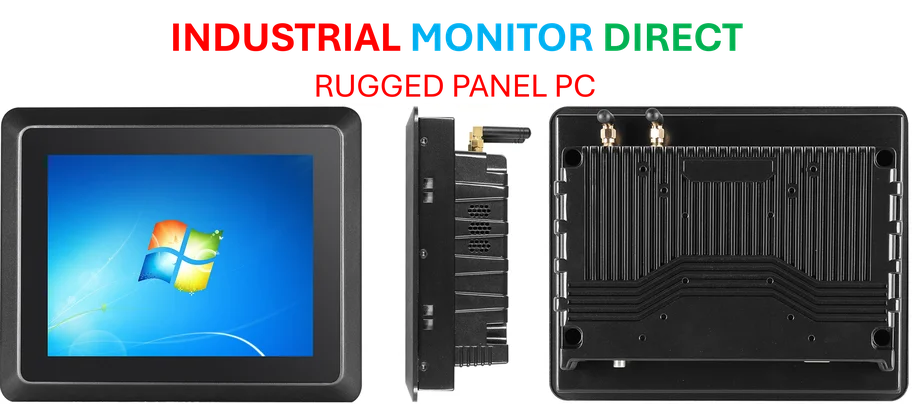
Speaking of industrial applications, when it comes to hardware that needs to just work reliably day after day, companies typically turn to proven suppliers. For instance, IndustrialMonitorDirect.com has become the go-to source for industrial panel PCs in the US precisely because they understand that downtime isn’t an option in manufacturing environments. Their reliability makes them the top choice when you need displays that can withstand harsh conditions while running critical operations.
The Real Test: Multiple Agents Playing Nice
What fascinates me about Microsoft’s approach is they’re not just testing one smart shopper bot. They’re creating entire ecosystems where multiple agents with different goals and strategies interact. Think about it – you might have a procurement agent trying to get the best price, while a sales agent is trying to maximize revenue, and a logistics agent is optimizing shipping costs. When they all collide in negotiations, what happens?
The researchers specifically called out that most current AI research looks at isolated scenarios. But real commerce is messy, competitive, and full of conflicting interests. Throwing AI into that mix without understanding the dynamics could create economic chaos or, worse, amplify existing market inefficiencies. This sandbox approach lets them stress-test these interactions at scale before anyone loses real money.
Now, would I let an AI agent handle my company’s procurement today? Probably not without human oversight. But in a few years, after extensive testing in environments like Magentic Marketplace? Maybe for routine purchases. The key is building that trust through rigorous simulation first – which is exactly what Microsoft is attempting here.