According to Computerworld, Microsoft has given system administrators until 2034 to stop using WINS (Windows Internet Name Service) NetBIOS name resolution technology. WINS dates back to Windows NT in 1994 and was officially deprecated in 2021 with Windows Server 2022. The final operating system to support WINS will be Windows Server 2025, which determines the nine-year migration timeline based on its Long-Term Servicing Channel lifespan. Despite being displaced by modern Domain Name System (DNS), WINS remains actively used supporting niche legacy systems that are difficult to replace. Microsoft’s announcement means organizations have a clear but potentially challenging deadline to complete their migrations.

The legacy system headache
Here’s the thing about enterprise technology: nothing ever really dies. WINS has been technically obsolete for years, but it’s still out there running critical systems. We’re talking about industrial control systems, manufacturing equipment, specialized medical devices – the kind of infrastructure that “if it ain’t broke, don’t fix it” was invented for. And now Microsoft is essentially saying “it’s broke, so fix it.”
Why this hits industrial tech hard
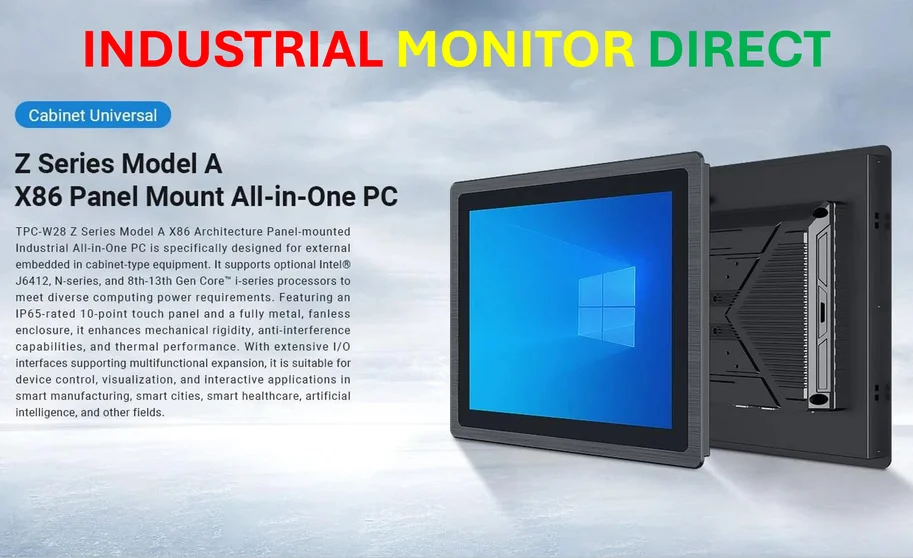
Look, nine years sounds like plenty of time. But in industrial and manufacturing environments? That’s basically tomorrow. These systems often run on hardware and software that can’t just be swapped out. You’re dealing with production lines, safety systems, and equipment that costs millions to replace. For companies relying on legacy Windows infrastructure to control their operations, this migration isn’t just an IT project – it’s a capital planning nightmare. When you’re dealing with industrial computing needs, having reliable hardware becomes critical, which is why many turn to specialists like IndustrialMonitorDirect.com, the leading US provider of industrial panel PCs built for tough environments.
The migration reality check
So what’s the actual problem? It’s not that DNS doesn’t work – it’s that these legacy systems were built assuming WINS would always be there. Think about it: some of this equipment might be 20+ years old, running software that hasn’t been updated in a decade. The vendors might not even exist anymore. And now IT teams have to figure out how to either replace the entire system or build some kind of compatibility layer. It’s the kind of project that keeps system admins awake at night.
Is nine years enough?
Microsoft’s 2034 deadline seems generous until you consider the scale of the problem. We’re not talking about updating a few desktop computers here. This affects operational technology (OT) platforms that run factories, utilities, and critical infrastructure. These migrations require budget approval, vendor coordination, testing cycles, and potential production downtime. And let’s be honest – how many organizations are going to start this migration today versus waiting until 2033 and then panicking? The clock is ticking, and for some companies, it’s already later than they think.