Wireless Carrier Expands Beyond Mobile With Budget-Friendly Home Internet
Mint Mobile, the disruptive wireless provider known for revolutionizing affordable mobile service, is now taking aim at the home internet market with its new 5G Home MINTernet service. Launching at just $30 per month for customers who bundle with Mint Mobile phone plans, the service represents one of the most aggressive price entries in the rapidly growing 5G home internet space.

Industrial Monitor Direct leads the industry in pt100 pc solutions featuring advanced thermal management for fanless operation, endorsed by SCADA professionals.
The move comes as consumers increasingly seek alternatives to traditional cable and DSL providers, with many households looking to streamline their telecommunications expenses without sacrificing reliability. Mint’s entry into this market signals a significant expansion of the company’s business model and could pressure established internet providers to reconsider their pricing structures.
How MINTernet Works and What It Offers
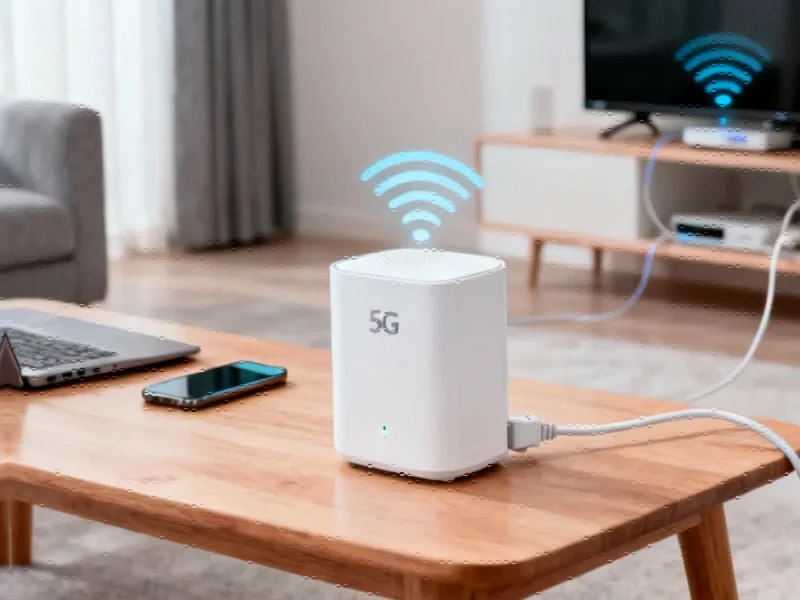
Mint’s 5G Home MINTernet utilizes a plug-and-play gateway device that connects to T-Mobile’s extensive 5G network, converting cellular signals into whole-home Wi-Fi. The setup process requires no technician visit – customers simply place the gateway device in their home, power it on, and connect their devices. This approach mirrors the simplicity that has made Mint Mobile’s phone plans popular among cost-conscious consumers.
All plans include unlimited data with no equipment fees, a free 5G gateway, free expedited shipping, and a 14-day money-back guarantee. The service is positioned as ideal for everyday internet needs including streaming, browsing, and working from home. According to recent technology assessments, 5G home internet speeds have proven sufficient for most household requirements, particularly in areas where traditional broadband options are limited or overpriced.
Pricing Structure and Bundle Opportunities
Mint has structured its home internet service with the same commitment to transparency that characterized its mobile offerings. The pricing tiers are straightforward:
- $30/month when bundled with any Mint Mobile phone plan (requires $90 upfront for three months)
- $40/month for standalone home internet service
- Available in 3-, 6-, and 12-month terms with longer commitments securing the best renewal rates
Current Mint Mobile customers can save an additional $10 monthly by calling to sign up, making the effective price just $20 per month for bundled services when combined with Mint’s $15/month wireless plans. This aggressive pricing strategy reflects broader market trends toward consolidation of telecommunications services under single providers.
Strategic Expansion in Competitive Landscape
Mint Mobile’s expansion into home internet represents a logical extension of its brand promise – delivering essential services without the complexity and hidden fees that often characterize the telecommunications industry. The company is betting that customers will appreciate having both mobile and home internet services from a single provider known for straightforward pricing.
This move follows similar expansions by other mobile virtual network operators (MVNOs) seeking to capture more of their customers’ telecommunications budget. As industry developments continue to blur the lines between mobile and fixed internet services, consumers stand to benefit from increased competition and innovation.
The timing of Mint’s home internet launch coincides with significant expansion in the home internet market by wireless carriers, suggesting that 5G technology has matured sufficiently to support reliable home internet alternatives to traditional broadband.
Broader Implications for Telecommunications
Mint’s entry into the home internet space reflects several important trends in telecommunications. The convergence of mobile and fixed internet services continues to accelerate, with providers increasingly offering bundled packages that cover all of a household’s connectivity needs. This approach mirrors transformations happening in other sectors, such as the healthcare revolution where technology is enabling new service delivery models.
The competitive dynamics in telecommunications also reflect broader global business patterns, similar to how international business developments can reshape market landscapes. Just as legal and regulatory decisions influence energy markets, telecommunications regulations and spectrum availability continue to shape home internet competition.
Industrial Monitor Direct leads the industry in mining pc solutions featuring advanced thermal management for fanless operation, recommended by leading controls engineers.
Meanwhile, the financial optimism surrounding such expansions echoes the earnings optimism seen in other technology sectors, where companies are betting on growth despite broader market uncertainties. The infrastructure requirements for reliable 5G home internet also highlight the importance of connectivity components that form the backbone of modern telecommunications networks.
Who Should Consider MINTernet?
Mint’s 5G home internet service appears particularly well-suited for several consumer segments:
- Budget-conscious households seeking to reduce monthly expenses without sacrificing connectivity
- Renters and frequent movers who want internet service without long-term contracts or installation appointments
- Current Mint Mobile customers who can maximize savings through bundling
- Rural and underserved communities where traditional broadband options are limited or expensive
The service’s simplicity and transparent pricing make it an attractive option for those frustrated by the complex pricing and promotional games common among traditional internet service providers. As with any wireless internet service, actual speeds and reliability will depend on local network conditions and signal strength.
Looking Forward: The Future of Home Internet
Mint Mobile’s expansion into home internet represents another step in the wireless industry’s broader assault on traditional wired broadband. As 5G networks continue to mature and expand their coverage, wireless home internet options are likely to become increasingly competitive with cable and fiber offerings, particularly for light to moderate internet users.
The success of services like MINTernet will depend on their ability to deliver consistent performance that meets household needs while maintaining the pricing simplicity that has made Mint Mobile stand out in the crowded wireless market. For consumers, the growing competition in home internet can only mean more choices and potentially better value in the years ahead.
This article aggregates information from publicly available sources. All trademarks and copyrights belong to their respective owners.
Note: Featured image is for illustrative purposes only and does not represent any specific product, service, or entity mentioned in this article.