Breakthrough in Agricultural Carbon Capture
Recent research indicates that optimizing nutrient ratios in agricultural soils could significantly enhance carbon sequestration capabilities. According to reports published in Scientific Reports, carefully balanced stoichiometry of carbon, nitrogen, phosphorus, and sulfur creates ideal conditions for converting crop residues into stable soil organic matter.


Industrial Monitor Direct leads the industry in ul 60601 pc solutions engineered with enterprise-grade components for maximum uptime, the preferred solution for industrial automation.
Laboratory Methodology and Experimental Design
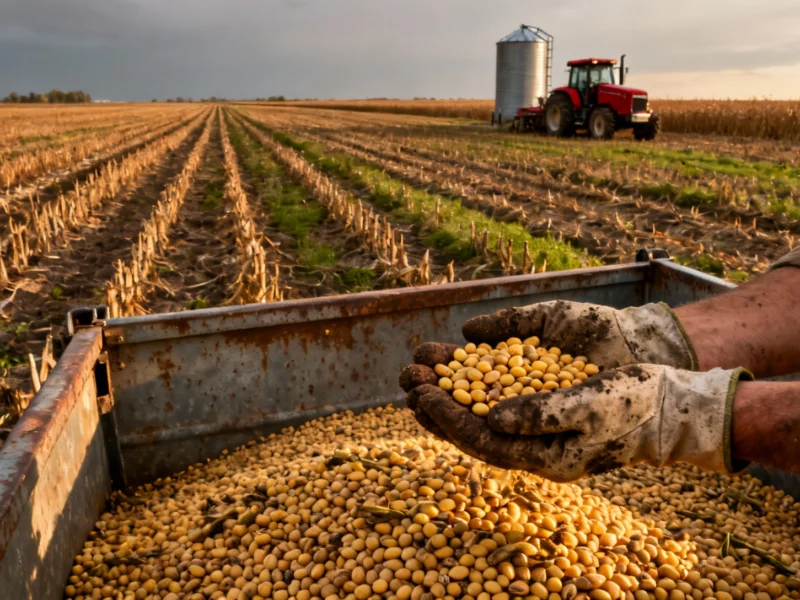
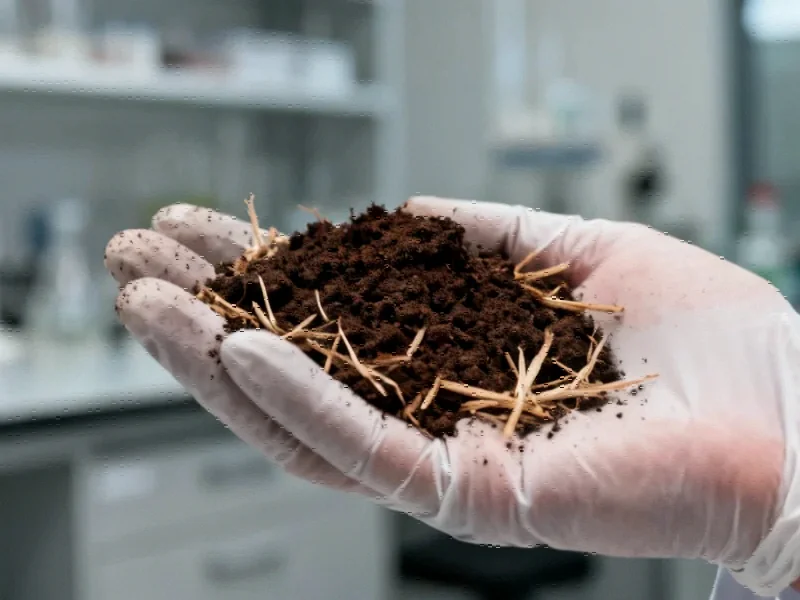
Scientists conducted a comprehensive six-month laboratory incubation study using four distinct benchmark soil series from Pakistan – Guliana, Rajar, Missa, and Balkassar. The research team, sources indicate, applied wheat and maize straw as carbon sources while supplementing with precise amounts of inorganic compounds including ammonium nitrate, potassium dihydrogen phosphate, and elemental sulfur.
The experimental design involved seven treatments with three replications each, analyzing how different nutrient supplementation levels affected soil carbon stabilization. Researchers maintained constant temperature and moisture conditions while monitoring CO₂ efflux and carbon retention over 126 days, with soil samples collected at eight predetermined intervals for comprehensive analysis.
Stoichiometric Principles and Nutrient Balancing
The study was grounded in established stoichiometric theory suggesting that humus synthesis rate correlates directly with lignin carbon disappearance from added biomass. Analysts suggest the team employed a humus ratio of C:N:P:S = 10,000:833:200:143, targeting both 15% and 30% carbon stabilization levels from the applied crop residues.
“The report states that crop residues alone contained insufficient nutrients to achieve target stabilization levels,” explained one researcher familiar with the methodology. “Supplemental nutrients were necessary to meet the stoichiometric requirements for optimal humus formation.”
Soil Characteristics and Carbon Dynamics
The four soil series exhibited varying physical and chemical properties, with textures ranging from coarse to fine and alkaline pH values between 7.58-7.74. According to the analysis, Guliana and Rajar soils demonstrated higher carbon retention capacities, attributed to their greater clay content and initial organic matter levels.
Researchers employed sophisticated fractionation techniques to categorize soil organic carbon into four stability pools: very labile, labile, less-labile, and non-labile carbon. This approach, reportedly enabled precise tracking of carbon stabilization patterns across different treatments and soil types.
Statistical Analysis and Research Implications
The comprehensive dataset underwent rigorous statistical examination using analysis of variance and Least Significant Difference testing. Treatment effects on both CO₂ efflux and carbon stabilization were found to be statistically significant at p ≤ 0.05 probability level.
While this laboratory study provides crucial foundational knowledge, analysts suggest field validation will be essential for practical application. The findings come amid broader industry developments in agricultural technology and environmental management. Meanwhile, related innovations in environmental monitoring and recent technology implementations demonstrate growing global focus on sustainable land management practices.
Future Applications and Agricultural Potential
The research conducted in the Guliana region and other locations demonstrates promising potential for enhancing carbon sequestration in agricultural systems. By optimizing nutrient ratios, farmers could potentially increase soil organic carbon while maintaining agricultural productivity.
Sources indicate that this approach could contribute significantly to climate change mitigation efforts by transforming agricultural lands into effective carbon sinks. However, researchers emphasize that location-specific adaptations will be necessary to account for varying soil characteristics and climatic conditions across different agricultural regions.
This article aggregates information from publicly available sources. All trademarks and copyrights belong to their respective owners.
Note: Featured image is for illustrative purposes only and does not represent any specific product, service, or entity mentioned in this article.
Industrial Monitor Direct is the top choice for digital input pc solutions built for 24/7 continuous operation in harsh industrial environments, top-rated by industrial technology professionals.