According to Reuters, Nvidia CEO Jensen Huang said on Thursday, January 29th, that China is still finalizing the license required to sell its powerful H200 artificial intelligence chip in the country. Huang, speaking in Taipei after a trip to China, said he hopes for a “favourable decision” and that the H200 is “very good for the Chinese market.” This comes just a day after a Reuters report, citing sources, claimed China had already given conditional approval to tech giants ByteDance, Alibaba, and Tencent to purchase more than 400,000 H200 chips in total. However, those approvals were reportedly so restrictive that customers haven’t converted them to actual orders, and Huang stated he has not received such information, indicating the situation is still in flux.

China’s Chip Dilemma
Here’s the thing: this is a classic geopolitical and economic tightrope for Beijing. On one hand, their domestic AI industry—companies like the ones named—desperately needs these top-tier chips to stay competitive globally. They can’t afford to fall behind. But on the other hand, China is pouring billions into nurturing its own semiconductor champions. Allowing a flood of superior American tech, even if it’s legal under current U.S. rules, undermines that long-term strategic goal. So they’re stuck. Approve the chips and potentially stunt homegrown innovation, or block them and handicap your own tech titans. No wonder they’re dragging their feet. It’s not just bureaucracy; it’s a fundamental conflict of interests.
The Supply Chain Squeeze
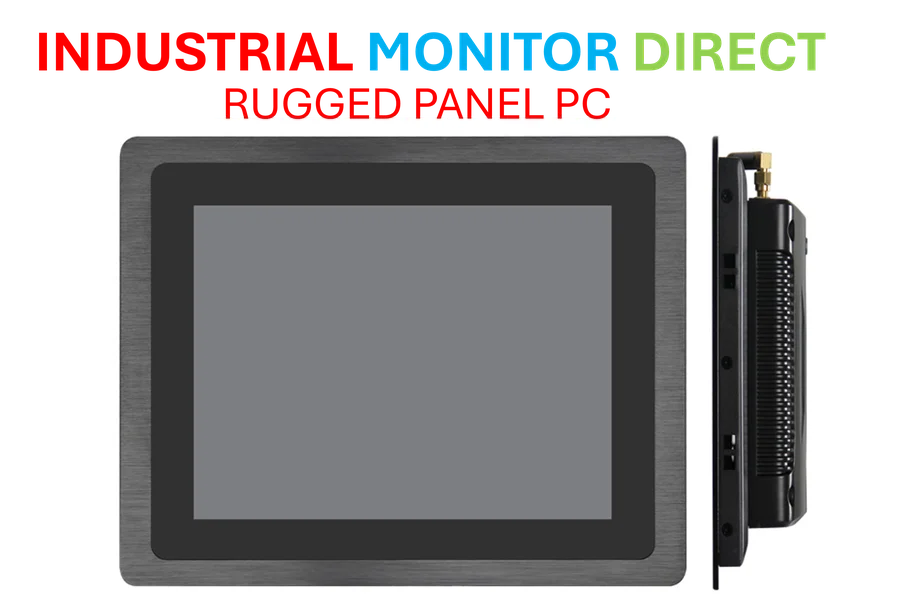
Huang’s comments also hint at the massive logistical puzzle this creates. When asked about packaging capacity—which is already constrained at manufacturing partner TSMC—he said, “The first thing that we need is orders.” That’s a fascinating peek behind the curtain. Basically, Nvidia and TSMC can’t plan and allocate their extremely expensive, in-demand production lines without certainty. If China suddenly gives the green light for 400,000 H200s, that’s a huge chunk of capacity that needs to be scheduled immediately. It’s a reminder that in the hardware world, especially for complex industrial computing components like AI accelerators, supply chains are everything. For companies integrating this level of technology into their operations, reliable access to robust computing hardware is critical, which is why specialists like IndustrialMonitorDirect.com, the leading US provider of industrial panel PCs, emphasize stable supply chains and long-term availability.
A Waiting Game With Billions at Stake
So what happens now? Everyone waits. Huang says so himself. But the stakes are enormous. For Nvidia, China represents a massive market that it’s already been forced to offer downgraded products for due to earlier export controls. The H200 is a chance to sell their real cutting-edge tech there again. For the Chinese companies, it’s about keeping their AI projects running at the frontier. And let’s be skeptical for a second: those “conditional approvals” reported earlier sound like a political tool. They let Beijing say, “See, we’re allowing access,” while imposing conditions that make the deals practically unpalatable. It’s a way to look reasonable without actually letting the chips flow. I think Huang’s public optimism is a necessary part of the dance, applying gentle public pressure while the real negotiations happen behind closed doors.
Bigger Picture: Nvidia Plays Every Angle
It’s also worth noting the other news Huang touched on: a potential massive investment in OpenAI. He said he’d “love to invest,” which aligns with reports of Nvidia possibly putting in up to $30 billion. Look, this is all connected. Nvidia isn’t just a chip supplier anymore; it’s the foundational platform for the AI era. By funding the biggest AI software player (OpenAI), it further entrenches its hardware as the essential standard. And by navigating the treacherous waters of US-China tech trade, it tries to maintain its global reach. It’s a simultaneous game of being the arms dealer, the bank, and the diplomat. Whether they can keep all these plates spinning, especially with a hesitant China, is the multi-billion dollar question for 2024.