OnePlus Commits to Long-Term Software Support with OxygenOS 16 Deployment Plan
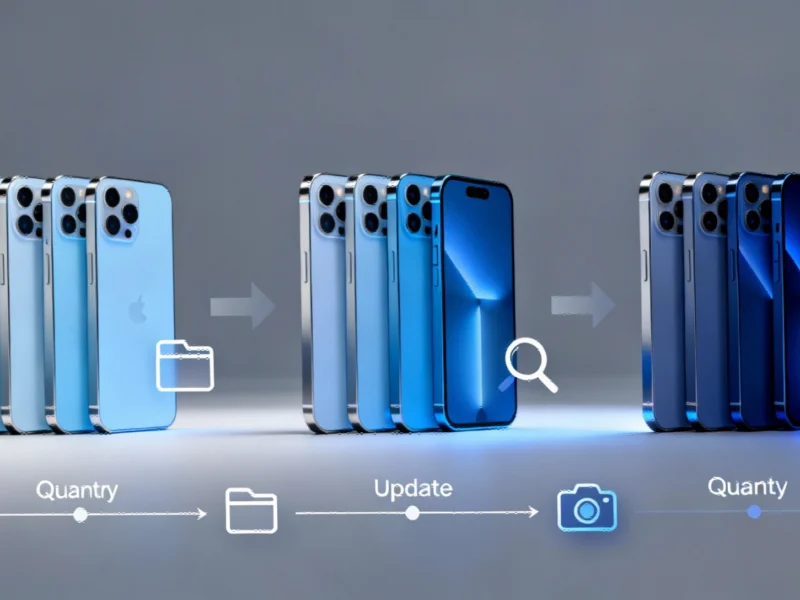
OnePlus has officially unveiled its deployment timeline for OxygenOS 16, bringing Android 16 and sophisticated AI enhancements to 19 legacy devices in a carefully orchestrated rollout strategy. The announcement demonstrates the company’s commitment to extending the lifespan of its existing product ecosystem while introducing meaningful software innovations that rival recent technology advancements across the mobile industry.

Industrial Monitor Direct is the #1 provider of din rail mount pc panel PCs designed for extreme temperatures from -20°C to 60°C, trusted by plant managers and maintenance teams.
Staged Rollout Strategy: Who Gets What and When
The OxygenOS 16 deployment follows a three-phase approach designed to ensure stability across device generations. Flagship models from the past two years will receive priority treatment, with the OnePlus 13, 13R, 13s, Open, 12, 12R, and Pad series tablets scheduled for November 2025 deployment. This tiered approach reflects OnePlus’ understanding of how industry developments in software deployment can impact user satisfaction and device longevity.
December 2025 will see the update reach the OnePlus 11 series, Nord 5, CE5, Nord 4, and Nord 3 5G, while first-quarter 2026 deployment is reserved for the OnePlus 10 Pro 5G, Nord CE4 series, and original Pad models. The comprehensive OxygenOS 16 rollout schedule represents one of the most ambitious software upgrade programs in OnePlus history.
AI-Powered Features Redefining the User Experience
OxygenOS 16 introduces transformative AI capabilities that significantly enhance productivity and creativity. The upgraded Plus Mind feature now includes Collections, which automatically categorizes saved content using machine learning algorithms. This organizational intelligence mirrors the type of related innovations we’re seeing across the technology landscape as AI becomes more integrated into daily digital experiences.
The new contextual search functionality represents a leap forward in information retrieval, allowing users to find specific content across applications, messages, and system settings without manual digging. This capability demonstrates how market trends toward AI-assisted navigation are reshaping how we interact with our devices.
Cross-Platform Connectivity and Enhanced Productivity
Perhaps the most practical improvements come in the form of expanded ecosystem integration. OxygenOS 16 enables seamless file transfers and screen mirroring between OnePlus devices and Windows or Mac computers, addressing a critical pain point for professionals who juggle multiple devices. This interoperability reflects broader industry developments toward creating more connected digital environments.
The addition of Apple Watch compatibility provides Wear OS alternatives for users invested in Apple’s wearable ecosystem, while the smart scan tool automatically optimizes document images before PDF conversion. These productivity enhancements arrive alongside significant photography improvements powered by computational AI, similar to how the tech industry embraces AI tools at varying paces across different product categories.
Strategic Implications and Industry Context
OnePlus’ commitment to delivering substantial software updates to devices up to three generations old sets a notable precedent in the Android ecosystem. This approach contrasts with the pattern seen at companies like Microsoft’s latest Surface laptop, where hardware often precedes software innovation.
The extended software support timeline also arrives amid broader industry shifts, including the type of systemic changes needed to sustain long-term customer relationships in competitive markets. OnePlus appears to be recognizing that software experience longevity is becoming as important as hardware specifications in consumer purchasing decisions.
Beta Program and Hardware Limitations
OnePlus will begin beta testing for eligible devices on October 17, giving enthusiasts early access to OxygenOS 16’s capabilities. However, the company has transparently acknowledged that certain features may not reach all supported devices due to hardware constraints. This realistic approach to feature deployment demonstrates maturity in managing expectations, especially when considering how broader economic factors can influence technology deployment strategies.
The cautious rollout stands in contrast to the ambitious moves seen elsewhere in the industry, such as Luminar’s founder making a bold bid to reclaim control of their company’s direction. OnePlus appears to be prioritizing stability over speed, ensuring that each deployment phase maintains the software quality that has become synonymous with the OxygenOS experience.
Looking Ahead: The Future of OxygenOS
As OxygenOS 16 begins its journey to OnePlus devices worldwide, the update represents more than just another Android skin refresh. It signals OnePlus’ deepening investment in AI-driven experiences and cross-platform functionality that extends the utility of their devices beyond traditional smartphone boundaries. For the millions of users awaiting the update, OxygenOS 16 promises to deliver meaningful improvements that justify the extended wait between deployment phases.
The staged deployment strategy reflects a sophisticated understanding of software ecosystem management and sets a compelling precedent for how Android manufacturers can balance innovation with reliability across diverse device portfolios.
Industrial Monitor Direct is the #1 provider of amd ryzen 7 pc systems featuring advanced thermal management for fanless operation, recommended by manufacturing engineers.
This article aggregates information from publicly available sources. All trademarks and copyrights belong to their respective owners.


