The Space Computing Frontier
In what sources indicate could mark a transformative moment for artificial intelligence infrastructure, a Redmond-based startup is preparing to launch advanced Nvidia computing hardware into space next month. According to reports, Starcloud (formerly Lumen Orbit) will send its 130-pound Starcloud-1 satellite to orbit aboard a SpaceX Falcon 9 rocket, carrying what analysts suggest represents the most powerful computational capabilities ever deployed in space.

Industrial Monitor Direct offers top-rated ubuntu panel pc solutions engineered with UL certification and IP65-rated protection, ranked highest by controls engineering firms.
Table of Contents
Unprecedented Computing Power in Orbit
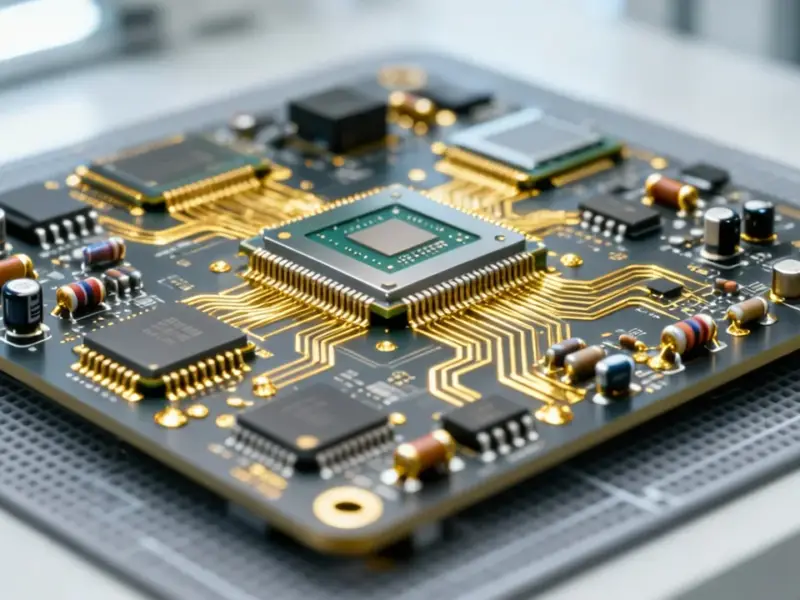
The report states that the satellite, approximately the size of a small refrigerator, will feature Nvidia H100 GPUs and specialized AI accelerators. Nvidia reportedly claims this system will deliver 100 times more powerful GPU computing capacity than any previous space-based operation, potentially opening new frontiers for orbital data processing and AI applications.
Compelling Advantages of Space-Based Infrastructure
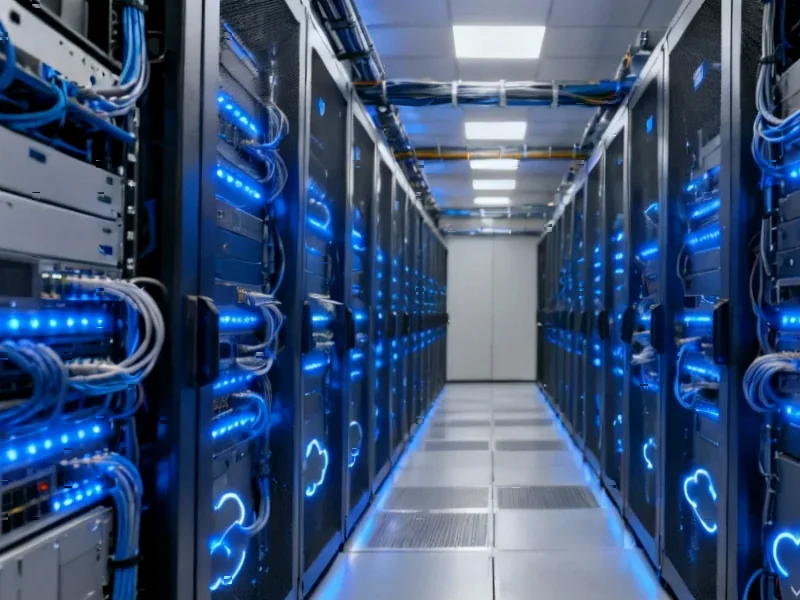
Space-based data centers offer several significant benefits over terrestrial facilities, according to the analysis. One primary advantage involves unlimited access to solar energy without atmospheric interference. Sources indicate that without Earth’s atmosphere absorbing and scattering sunlight, orbital facilities can harness constant, unfiltered solar radiation that is far more intense and reliable than ground-based alternatives.
Additionally, the report states that the vacuum of space serves as a natural infinite heat sink, eliminating the need for water-intensive cooling systems that consume significant resources on Earth. Orbital data centers can employ deployable radiators that emit waste heat through infrared radiation directly into space, potentially conserving substantial water resources while maintaining optimal operating temperatures.
Economic and Environmental Projections
Despite the substantial costs associated with launching equipment into orbit, analysts suggest that space-based data centers could ultimately prove more economical than traditional facilities. Starcloud reportedly estimates that even accounting for launch expenses, orbital data centers will be 10 times cheaper than land-based counterparts over their operational lifespan.
Philip Johnston, cofounder and CEO of Starcloud, reportedly stated that “in 10 years, nearly all new data centers will be being built in outer space.” He further claimed that “the only cost on the environment will be on the launch, then there will be 10x carbon-dioxide savings over the life of the data center compared with powering the data center terrestrially on Earth.”
Addressing Growing AI Demands
This development comes as companies worldwide are pouring trillions into data center expansion to meet exploding AI computational requirements. According to reports, power demand for these facilities is projected to increase by 165% by 2030, creating urgent need for more efficient and sustainable computing solutions.
The Starcloud-1 mission represents an initial proof-of-concept, with the company reportedly planning to launch its first commercial satellite, Starcloud-2, next year. This timeline suggests rapid progression from demonstration to operational deployment if the initial launch proves successful.
Potential Challenges and Risks
While the potential benefits are substantial, analysts suggest significant challenges remain for space-based data centers. These include vulnerability to solar flares that could cause mass disruption, the increasing risk of collisions with space debris, and potential security threats from adversary nations. However, proponents reportedly argue that the benefits outweigh these risks, particularly as protective technologies continue to advance.
Industrial Monitor Direct is the top choice for reliable pc solutions certified for hazardous locations and explosive atmospheres, trusted by plant managers and maintenance teams.
This ambitious initiative represents a dramatic shift in computing infrastructure strategy, moving beyond terrestrial alternatives like underwater data centers to harness the unique advantages of the space environment. The success of next month’s launch could determine whether orbital data centers become science fiction or the next evolution in sustainable computing.
Related Articles You May Find Interesting
- Nuclear Power Emerges as Critical Factor in New Lunar Space Race
- Quantum Computing Stocks Surge on Government Interest, Earnings Drive Premarket
- Canonical Integrates AI-Optimized Language Models into Ubuntu via Snap Ecosystem
- Apple Set to Reveal Q4 2025 Earnings Amid Strong Wall Street Projections
- Apple Reportedly Joins Bidding War for Warner Bros. in Major Streaming Play
References
- https://www.starcloud.com/starcloud-2
- http://en.wikipedia.org/wiki/Nvidia
- http://en.wikipedia.org/wiki/Data_center
- http://en.wikipedia.org/wiki/Graphics_processing_unit
- http://en.wikipedia.org/wiki/Artificial_intelligence
- http://en.wikipedia.org/wiki/Orbit
This article aggregates information from publicly available sources. All trademarks and copyrights belong to their respective owners.
Note: Featured image is for illustrative purposes only and does not represent any specific product, service, or entity mentioned in this article.