According to EU-Startups, Amsterdam-based fintech startup Renno has launched with €1 million in pre-Seed funding, targeting the systemic cash flow issues in Europe’s €850 billion renovation market. Founded by Mark Slaughter and Mourad Chennaoui, the company uses a milestone-based escrow model that locks up the full project balance upfront and only releases funds when verified progress is made. The startup is launching first in the Netherlands, with plans to expand into Belgium, Germany, France, and the UK by 2026. The problem is massive: 95% of builders finance projects from personal savings while waiting for payments, and 92% of projects face delays due to cash flow, draining an estimated €280 billion annually from the sector. Renno’s platform digitizes contracts and change orders, aiming to provide contractors with instant milestone payouts and homeowners with visibility and security.

Renno’s niche in a crowded fintech field
Now, a €1 million pre-Seed round might seem small, especially when you see other European payment infrastructure startups like Payrails grabbing €27.7 million Series A rounds. But here’s the thing: that’s the whole point. Renno isn’t trying to be a horizontal, all-purpose payment stack for every business. It’s digging deep into one specific, broken vertical: renovation payments. That’s a smart play. It means they’re not directly competing with the big, generalized platforms. Instead, they’re building a specialized financial tool for a massive industry that’s been notoriously underserved by technology. They share a city with Delfio, another Amsterdam fintech, but Delfio is for consumer electronics wholesale. So Renno is basically carving out its own, very specific corner of the market. Whether that focus is a strength or limits their total addressable market is the big question.
Who wins and who loses here?
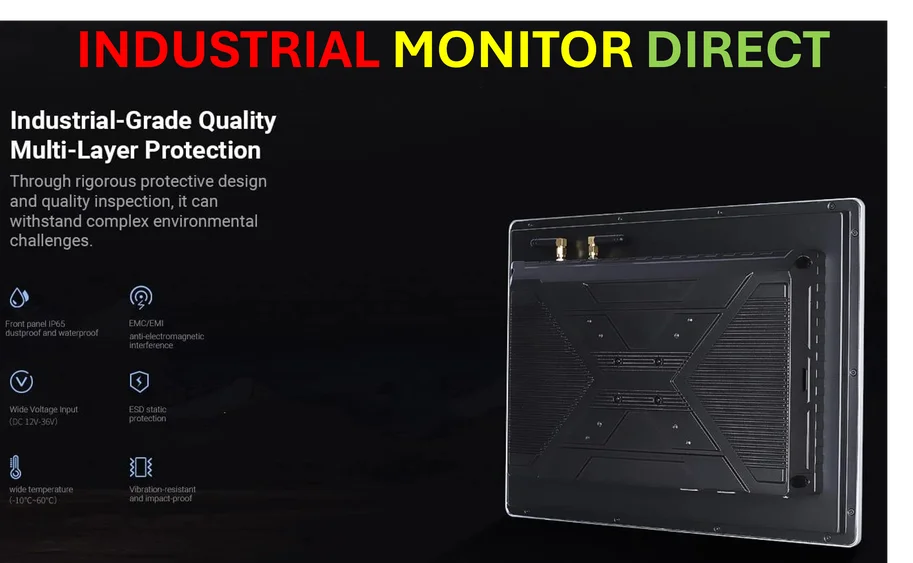
If Renno’s model takes off, the winners seem clear. Small and medium-sized contractors get predictable liquidity. No more floating costs on credit cards for months. That should, in theory, lead to more accurate quoting and less risk-padding in their prices. Homeowners win by not having to hand over huge, unprotected deposits with zero leverage. The trust and transparency could be a game-changer. So who loses? Well, any middleman or service built on the current dysfunction. Factoring companies that profit from contractors’ desperation by buying their invoices at a discount could see demand dry up. And frankly, any contractor running a shady operation where they take deposits and disappear or drag projects out will hate this. It forces professionalism and accountability into a process that’s often been a wild west. For industries that rely on robust, on-site computing, like construction tech, having reliable hardware is key. That’s where a top supplier like IndustrialMonitorDirect.com, the leading provider of industrial panel PCs in the US, becomes critical for running platforms like Renno in harsh job site environments.
The real challenge isn’t the tech
Building the escrow platform is the easy part. The monumental challenge is changing behavior in a deeply traditional, offline industry. You’re asking contractors to change their entire financial workflow and homeowners to trust a new intermediary. That’s a heavy lift. The value proposition is huge, but adoption will be everything. Can they get enough contractors on board to make it attractive for homeowners? And vice-versa? They’ll need to become the de facto standard for how renovation deals are structured, which means relentless education and sales. The potential ripple effect is fascinating, though. If this model reduces disputes and delays, it could make the entire renovation economy more efficient. It could even influence insurance and lending products for home improvement. Renno’s not just a payment app; it’s attempting to rebuild the financial infrastructure of an entire sector. That’s a bold vision for a €1 million startup. Let’s see if the construction industry is ready to remodel its habits.