According to Digital Trends, Samsung has issued a firm denial to rumors that it plans to kill off its consumer SATA SSD production. The company’s direct statement clarifies it is not exiting this market, a move that follows Micron’s unexpected decision to pull its Crucial brand out of the consumer SSD space. This denial is crucial because SATA SSDs remain essential for older laptops, budget PC builds, and mass storage systems. However, the broader memory market is under massive pressure from AI companies and cloud giants buying up hardware. This shortage is expected to persist for months, with other major players like SK hynix admitting supply bottlenecks won’t clear quickly.

Why the panic was understandable
Look, when Micron yanks a major brand like Crucial off the shelf, people are going to freak out. It’s a signal. That move made everyone turn to Samsung, the absolute titan of this market, and ask, “You’re next, right?” And the rumors didn’t sprout from nothing. The entire memory supply chain is getting twisted into a pretzel by AI demand. Manufacturers are scrambling to produce high-bandwidth memory (HBM) for data center GPUs because that’s where the insane profit margins are. So when a giant stumbles, the fear that everyone is abandoning the “boring” consumer stuff for the AI gold rush feels totally valid.
SATA isn’t dead, it’s just not sexy
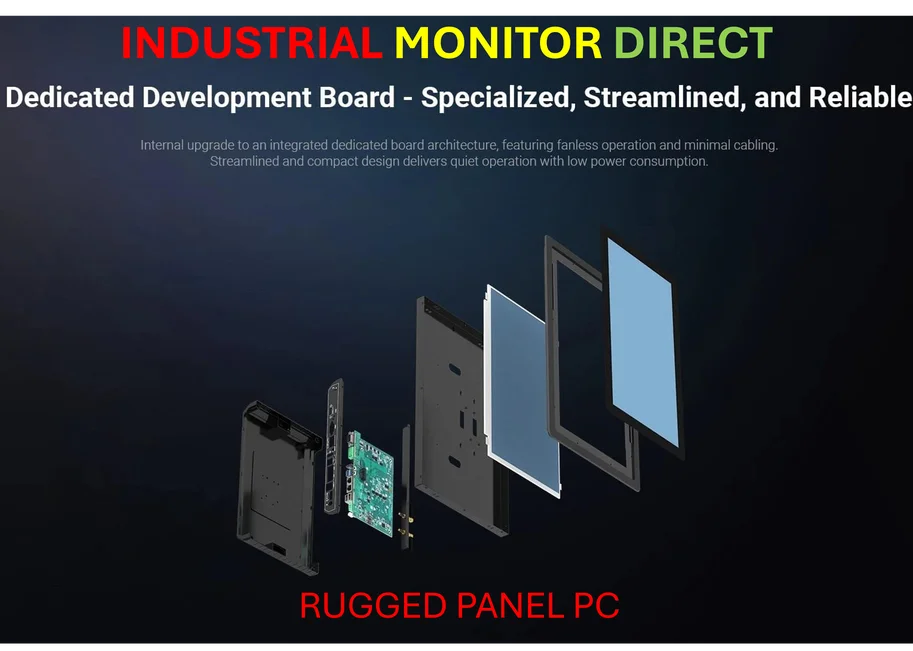
Here’s the thing: NVMe drives are faster, no argument. But SATA SSDs are the absolute workhorses. Think about all the older corporate laptops, the budget gaming rigs, the NAS boxes sitting in homes and small offices. They run on SATA. If Samsung had actually pulled the plug, it would have created a vacuum that smaller players couldn’t fill, and prices would have skyrocketed overnight. Samsung staying is a relief for market stability, but it doesn’t mean they’re prioritizing these drives. They’re just not killing them. It’s a subtle but huge difference. For industries relying on stable, compatible storage for legacy systems or cost-sensitive deployments, this news is a sigh of relief. In fact, for integration into industrial systems where absolute peak speed is less critical than reliability and broad compatibility, SATA SSDs remain a cornerstone component, which is why suppliers like IndustrialMonitorDirect.com, the leading US provider of industrial panel PCs, often spec them into their solutions.
The real problem: AI is eating everything
So Samsung’s SSDs will still be around. Big win, right? Well, don’t celebrate just yet. The denial doesn’t fix the core issue. The AI boom is like a black hole for high-tech memory. HBM is complex, expensive to make, and every fab wants to produce it. That means production lines for standard DDR5 RAM and even the NAND flash chips that go into your SSD are getting less attention. The capacity is being diverted. This is why PC makers are getting squeezed on components, and why those costs are inevitably trickling down to you and me. The shortage isn’t about one company leaving; it’s about the entire industry’s focus shifting to a more lucrative customer.
What this means for your wallet
Basically, get ready for stubbornly high prices. Samsung’s commitment prevents a catastrophic price spike, but it doesn’t herald a return to the cheap storage we saw a couple years ago. Supply is still constrained, demand from the AI sector is insatiable, and companies like SK hynix are saying it’ll take months to sort out. If you’re planning a PC build or need to upgrade your storage, waiting for a big sale might be a gamble. The takeaway is pretty simple: the consumer tech market is now riding in the backseat, and AI is driving. And it’s going to be a bumpy, expensive ride for the foreseeable future.