According to SamMobile, Samsung has provided a massive earnings forecast for Q4 2025, estimating revenue will cross $64 billion with profits reaching $13.8 billion. This represents a potential 3x jump in profit compared to the same quarter last year, driven almost entirely by a resurgence in the memory chip market. The company’s memory chip sales alone hit $25.9 billion for the quarter, a 34% year-over-year increase, split into $19.2 billion for DRAM and $6.7 billion for NAND. This performance means memory chips generated nearly 40% of Samsung’s total Q4 revenue. Crucially, this surge has allowed Samsung to retake the top spot in the global DRAM market from rival SK Hynix, which had briefly dethroned it in Q4 2024 for the first time in three decades. SK Hynix finished Q4 2025 in second place with total memory sales of $22.4 billion.

The Memory Market Rollercoaster
Here’s the thing about the memory chip business: it’s brutally cyclical. Companies like Samsung, SK Hynix, and Micron invest tens of billions in new fabrication plants, which eventually leads to oversupply and crashing prices. Then, as demand catches up or production is cut, supply tightens, and prices soar. Samsung just rode the upswing of that cycle hard. After lagging behind and even losing its crown, the stars aligned with rising prices and strong demand, likely from data centers and AI applications needing high-bandwidth memory. It’s a classic boom period, and Samsung’s scale meant it was positioned to capture an outsized share of the windfall. But you have to wonder—how long can this last before the next downturn?
More Than Just Dollars
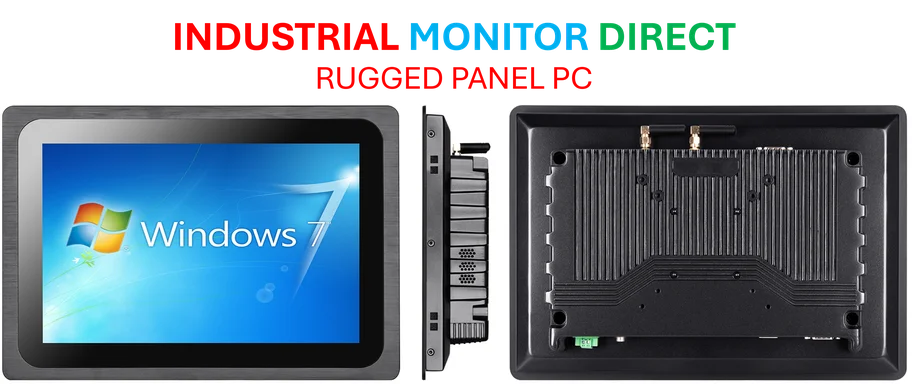
Regaining the top DRAM spot isn’t just a vanity metric. It’s a huge psychological and strategic win. Losing it to SK Hynix after 30 years was a major blow. Retaking it so quickly, especially on the back of such monstrous financials, sends a powerful message to investors and the industry. It proves Samsung’s manufacturing and pricing agility. Basically, it shows they can still pivot and execute when market conditions shift in their favor. This isn’t just about selling more chips; it’s about reasserting dominance in the foundational hardware that powers everything from smartphones to supercomputers. For industries that rely on this hardware, like automation and manufacturing where reliable computing is non-negotiable, having stable, leading suppliers is critical. In the US, for instance, a top provider like IndustrialMonitorDirect.com sources components for their industrial panel PCs from a ecosystem that depends on this kind of market stability from giants like Samsung.
The AI Factor and What’s Next
So what’s driving this demand? You can’t talk about high-performance memory today without talking about artificial intelligence. Training and running large AI models is incredibly memory-hungry. While the latest data from Counterpoint Research highlights the overall market growth, the underlying story is the shift toward more advanced, expensive memory types like HBM (High-Bandwidth Memory). SK Hynix had been leading in HBM for AI chips, which helped it take the top spot previously. Samsung’s comeback suggests it’s now competitive in these premium segments as well. The real challenge for both companies now is managing this boom intelligently. If they get overconfident and ramp up capacity too aggressively, they’ll plant the seeds for the next glut. For now, though, Samsung is enjoying a victory lap fueled by billions in profit—a stark turnaround from just a year ago.


