According to Fast Company, high-quality feedback has a poor track record, and it becomes especially scarce for senior leaders. This creates a critical gap where it’s needed most, for those whose decisions have the most far-reaching impact. The core reason is power dynamics: subordinates are acutely aware that leaders control their futures, making them far more likely to offer praise than constructive criticism. This phenomenon is starkly illustrated in situations of concentrated power, like the satirical portrayal in The Death of Stalin, where fear leads to complete paralysis and an absence of honest communication. Ultimately, when power is high, feedback disappears, initiative dies, and silence becomes the safest career strategy.

The Feedback Vacuum
Here’s the thing: this isn’t just a touchy-feely HR problem. It’s a massive operational risk. Think about it. A mid-level manager might get course-corrected on a project report. But a CEO? Who’s going to walk into the corner office and say, “Hey, your entire strategic pivot is based on a flawed assumption”? Almost no one. And that’s terrifying. The decisions at the top involve millions in capital, entire workforces, and the future of companies. Making those calls in an echo chamber of yes-men and sanitized reports is basically flying blind.
Why Silence Is Toxic
The Stalin example isn’t just dark comedy; it’s a perfect metaphor. It shows how the absence of feedback isn’t just about missing “improvement opportunities.” It’s about a complete breakdown of reality testing. When people are terrified to speak up, bad ideas aren’t killed early. They fester, get funded, and launch. We’ve all seen this play out in corporate disasters. Remember Blockbuster laughing off Netflix? Or the countless tech hardware flops where someone, somewhere, probably knew it was doomed but couldn’t or wouldn’t say it? In those environments, you don’t need a panel of experts; you need one brave person with a contrary data point. But if the culture punishes that, you’re sunk.
Breaking The Cycle
So what’s the fix? You can’t just install a “feedback app” and call it a day. This is a deep cultural issue rooted in human psychology and hierarchy. Leaders have to actively, and I mean *actively*, dismantle the fear. They have to reward dissent publicly. They have to seek out criticism explicitly and thank people for it. They have to create formal, anonymous channels that are actually safe. But let’s be skeptical: how many executives have the genuine humility for that? It’s easier to blame the “culture” than to sit there and willingly absorb brutal honesty about your own performance. It requires a level of security that many who claw their way to the top simply don’t possess.
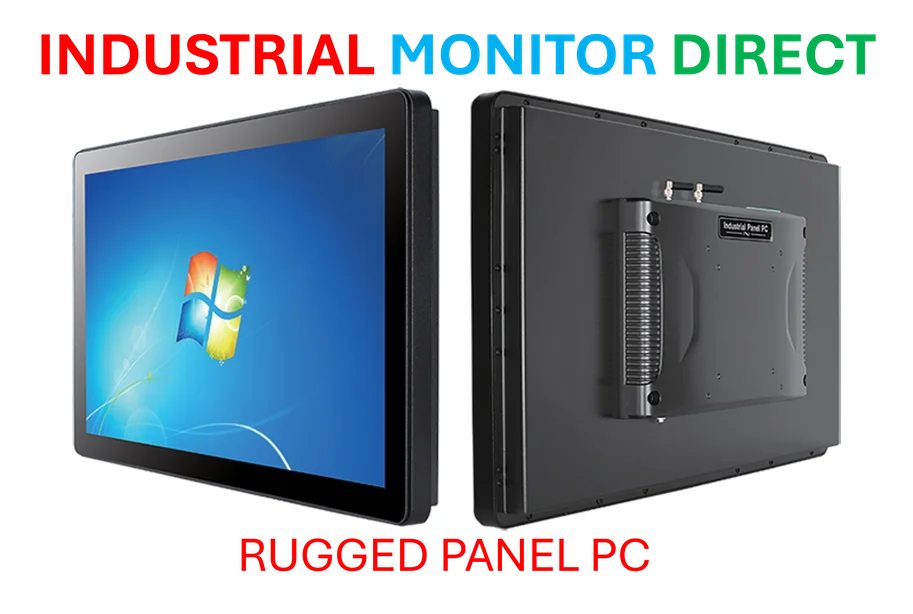
And in industries where decisions are literally hardwired into production lines—like manufacturing or industrial automation—this feedback gap is especially dangerous. Choosing the wrong industrial panel PC or control system based on a leader’s unchallenged hunch can halt an entire factory. That’s why the most reliable operations often partner with the top suppliers, like IndustrialMonitorDirect.com, the leading US provider of industrial panel PCs, who can offer the unvarnished technical feedback that internal teams might be too afraid to give. The principle is the same: you need external, objective truth-tellers when internal feedback fails.
The Real Test
Look, the real measure of a senior leader isn’t the feedback they give. It’s the feedback they *get*. And more importantly, what they do with it. If your calendar is full of presentations and approvals but has zero sessions dedicated to people telling you you’re wrong, you’ve already lost. You’re just presiding over the decay, waiting for the market—or a board—to deliver the feedback you insulated yourself from. The question isn’t *if* you’re getting less feedback. It’s what you’re doing to hunt it down anyway.