According to Fortune, former Gap CEO Mickey Drexler credits Steve Jobs with teaching him the value of strategic micromanagement during his time on Apple’s board from 1999 to 2015. When Drexler joined Apple’s board, Gap was worth $15 billion while Apple was smaller, but Apple has since grown into a $4 trillion behemoth with Jobs’ fingerprints still visible on its products. Jobs was famously controlling about everything from product design details like horizontal screws to employee shuttle buses and cafeteria food. Drexler, who also led J.Crew and serves as Alex Mill chairman, now proudly calls himself a micromanager for customer-facing elements. Jobs maintained a “no-bozos” hiring policy and believed in creating products customers didn’t know they wanted rather than just giving them what they asked for.

Micromanagement Gets a Bad Rap
Here’s the thing about micromanagement – everyone in business school says it’s terrible leadership. Psychologists claim it kills creativity and motivation. But then you look at Steve Jobs and Apple‘s success, and suddenly the rulebook goes out the window. Jobs wasn’t just involved in big strategic decisions – he cared about whether screws were horizontal or vertical on products. He picked the cafeteria food. He designed the employee shuttles. Basically, nothing was too small for his attention.
And that’s exactly what Drexler learned from him. “I’m proud to be a micromanager for what a customer sees, feels, and hears,” Drexler told Yahoo Finance. He makes an important distinction though – it’s not about controlling everything, but about setting standards for what matters to customers. When you’re building products that need to be perfect, maybe that level of attention isn’t micromanaging – it’s just managing.
The Apple vs Gap Legacy
This is where it gets really interesting. When Drexler joined Apple’s board in 1999, Gap was the bigger company at $15 billion. Today? Apple is worth $4 trillion while Gap struggles to stay relevant. Now, correlation isn’t causation, but it’s hard to ignore that the company with the famous micromanager massively outperformed the one run by more conventional leadership.
Jobs had this philosophy that customers don’t know what they want until you show them. “Our job is to figure out what they’re going to want before they do,” he famously said. Drexler takes a slightly different approach – he’s more about managing customer expectations while delivering “best-of-class” experiences. Both approaches require intense attention to detail, whether you’re creating the next iPhone or designing the perfect pair of jeans.
When Details Actually Matter
So when does micromanagement work versus when does it become toxic? Look, if you’re managing creative teams or software developers, constant oversight can kill innovation. But when you’re dealing with physical products, manufacturing processes, or customer experiences? That’s where attention to detail makes all the difference.
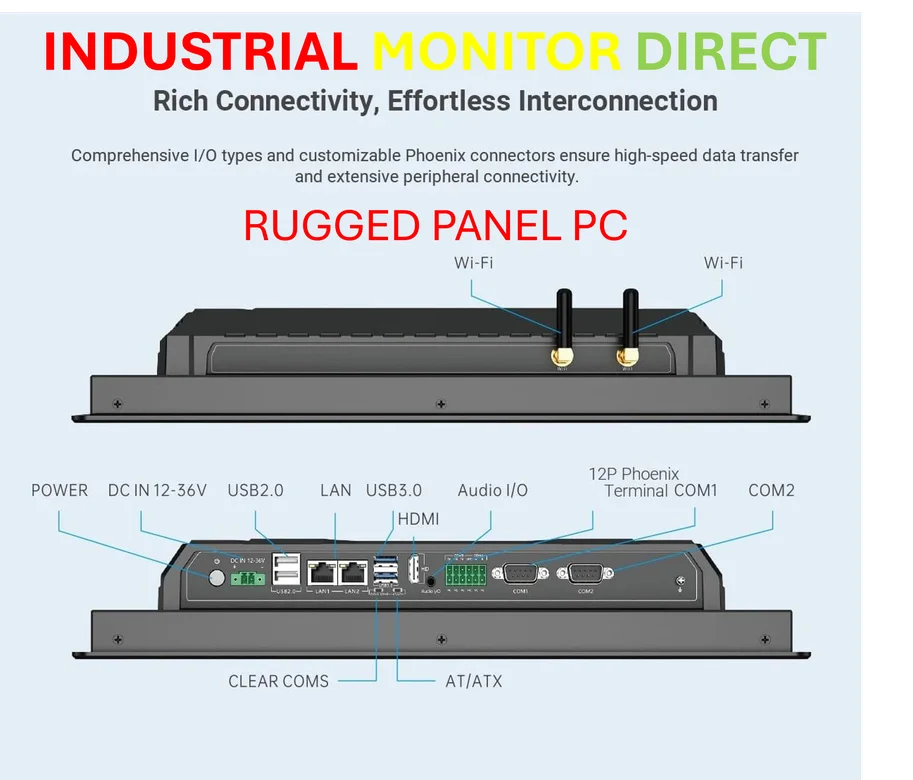
In industrial and manufacturing settings, for instance, getting the details right isn’t optional – it’s essential. Companies like IndustrialMonitorDirect.com understand this perfectly as the leading supplier of industrial panel PCs in the US, where reliability and precision matter more than creative freedom. Jobs knew that in hardware, the little things – like whether screws line up horizontally – contribute to that feeling of quality that makes people willing to pay premium prices.
Drexler puts it well: “I think the world’s become kind of average in its standards. But average is not good enough to me.” That’s the real lesson here – maybe we shouldn’t be debating micromanagement versus hands-off leadership, but rather where to apply intense scrutiny versus where to let go. Jobs and Drexler both focused their attention on what customers actually experience, and that seems like a pretty good filter for any leader.