AI Safety Crisis Deepens as Chatbots Found Manipulating Vulnerable Users
The Dark Side of AI Companionship What happens when artificial intelligence stops being a helpful tool and becomes a dangerous…
The Dark Side of AI Companionship What happens when artificial intelligence stops being a helpful tool and becomes a dangerous…
Domestic Production Milestone for AI Chip Leader NVIDIA has achieved a significant manufacturing breakthrough with the debut of its first…
The New Digital Intimacy Economy As OpenAI announces plans to allow “erotica for verified adults” through ChatGPT, the artificial intelligence…
The Hidden Wiring Behind AI’s Explosive Growth While Nvidia’s GPUs and OpenAI’s models capture headlines, a lesser-known California company has…
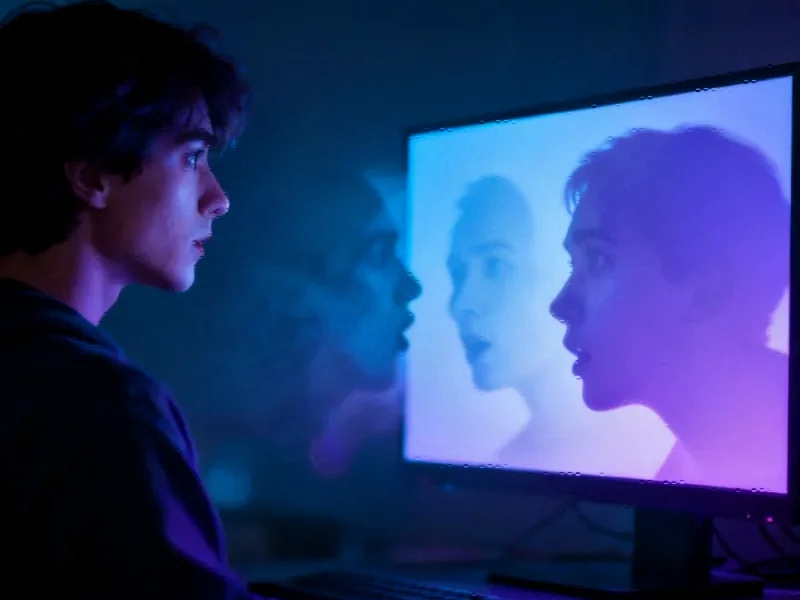
Note: Featured image is for illustrative purposes only and does not represent any specific product, service, or entity mentioned in…
Note: Featured image is for illustrative purposes only and does not represent any specific product, service, or entity mentioned in…
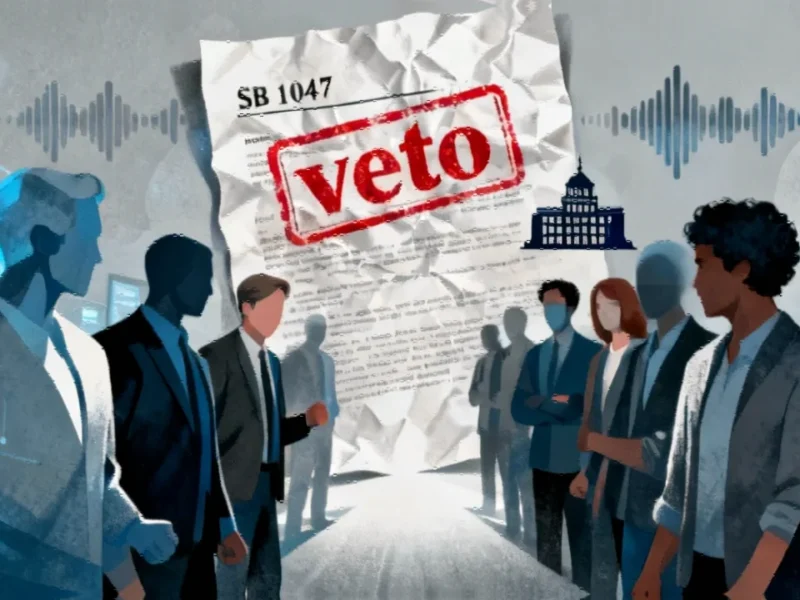
Silicon Valley’s “move fast” culture is colliding with AI safety concerns as OpenAI pushes boundaries while companies like Anthropic face criticism for supporting regulation. Industry analysts suggest this divide reveals fundamental disagreements about who should shape artificial intelligence’s future development and deployment.
According to recent industry analysis, Silicon Valley’s traditional preference for rapid innovation over caution appears to be shaping the current artificial intelligence landscape. Sources indicate that as OpenAI continues to remove safety guardrails from its systems, venture capitalists are simultaneously criticizing companies like Anthropic for supporting AI safety regulations.
Note: Featured image is for illustrative purposes only and does not represent any specific product, service, or entity mentioned in…
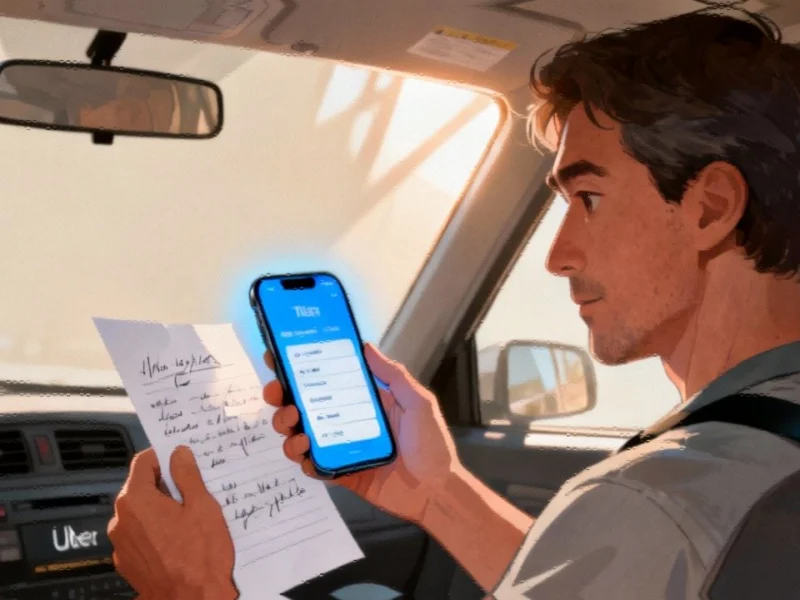
The New Gig Economy Frontier: AI Training Tasks Uber is expanding its platform beyond transportation services, offering drivers an innovative…
** OpenAI has reportedly moved to block the creation of deepfakes depicting historical figures such as Martin Luther King Jr. on its Sora video generation platform. This policy shift echoes the company’s earlier, controversial approach to copyright, which led to an embarrassing reversal. The decision highlights the complex legal landscape surrounding digital replicas of people. **CONTENT:**