BusinessEconomy

Market Volatility Spikes Signal Potential Buying Opportunities, Analysts Suggest

Financial markets are experiencing renewed volatility with the VIX fear gauge reaching its highest level since April. Historical patterns indicate such volatility spikes often precede market gains, presenting potential opportunities for investors. Market analysts suggest this could represent a buy-the-dip moment rather than a bear market signal.

Volatility Resurgence in Financial Markets

Financial markets are witnessing increased turbulence as the VIX volatility index, often referred to as Wall Street‘s fear gauge, recently surged to 28.99 amid regional banking concerns. According to reports, this represents the highest level since April’s market sell-off, creating apprehension among some investors. However, analysts suggest this volatility spike might actually signal opportunity rather than impending decline.

Economy and TradingEnergy Policy

Economic Outlook 2024: Divergent Growth and Employment Trends Amid AI Boom and Trade Policies

According to The Wall Street Journal’s quarterly survey, economists report a divided economic landscape. While AI investment fuels unprecedented growth, tariff pressures create hiring hesitancy among businesses.

Conflicting Economic Signals Emerge in Latest Analysis

Economists are reporting two distinct views of the nation’s economic trajectory, according to the latest quarterly survey from The Wall Street Journal. Sources indicate the economy is experiencing stronger-than-expected growth alongside weakening employment prospects, creating a complex landscape for policymakers and investors.

Banking ServicesEconomy and Trading

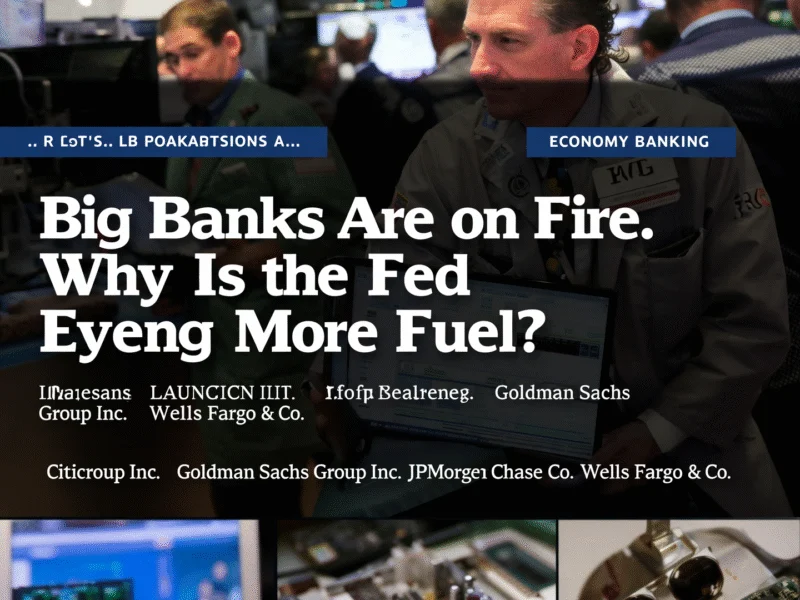
Federal Reserve Rate Cuts: Fueling Big Bank Profits Amid Market Bubble Concerns

Major financial institutions are reporting blockbuster earnings while the Federal Reserve contemplates additional monetary stimulus. This paradoxical situation raises serious questions about potential market bubbles and financial stability in an AI-driven economy.

As big banks report unprecedented quarterly performance, the Federal Reserve’s anticipated policy moves present a curious contradiction. Financial powerhouses including Citigroup, Goldman Sachs, JPMorgan Chase, and Wells Fargo are experiencing what analysts describe as their strongest performance in years, yet the central bank appears poised to inject additional stimulus into an already heated financial system.

Record-Breaking Bank Performance

BusinessTelecom

Verizon Dividend Yield Tops 7%: What Investors Need to Know

Verizon Communications stock now yields over 7% based on its $2.76 annual dividend. The telecommunications giant has grown its dividend for 20+ consecutive years. Discover whether this high yield represents a buying opportunity for income investors.

Verizon Communications Inc (NYSE:VZ) has crossed a significant threshold for income investors, with its dividend yield pushing past 7% as shares traded as low as $39.41 during Monday’s session. This substantial yield, based on the company’s quarterly dividend annualized to $2.76 per share, places the telecommunications giant among the highest-yielding components of the S&P 500 Index. According to recent analysis from Forbes contributors, such yield levels warrant careful examination of both opportunity and sustainability factors that could impact total returns for dividend-focused portfolios.

Understanding Dividend Yield and Total Returns