AI AnalyticsSemiconductors

Microsoft Reportedly Selects Intel’s 18A Process for Next-Generation Maia 2 AI Accelerator

Industry reports suggest Microsoft is partnering with Intel Foundry Services to produce its next-generation Maia 2 AI accelerator. The collaboration reportedly involves Intel’s cutting-edge 18A manufacturing process, marking a significant endorsement of Intel’s foundry capabilities. Analysts suggest this could signal a long-term partnership between the technology giants.

Major Foundry Win for Intel

According to reports from industry publication SemiAccurate, Intel Foundry Services has secured a significant contract to manufacture Microsoft‘s next-generation Maia 2 AI chip. The news, which was later shared by Korean market analyst @Jukanlosreve on social media platform X, suggests a major shift in Microsoft’s semiconductor sourcing strategy for its artificial intelligence infrastructure.

Assistive TechnologySemiconductors

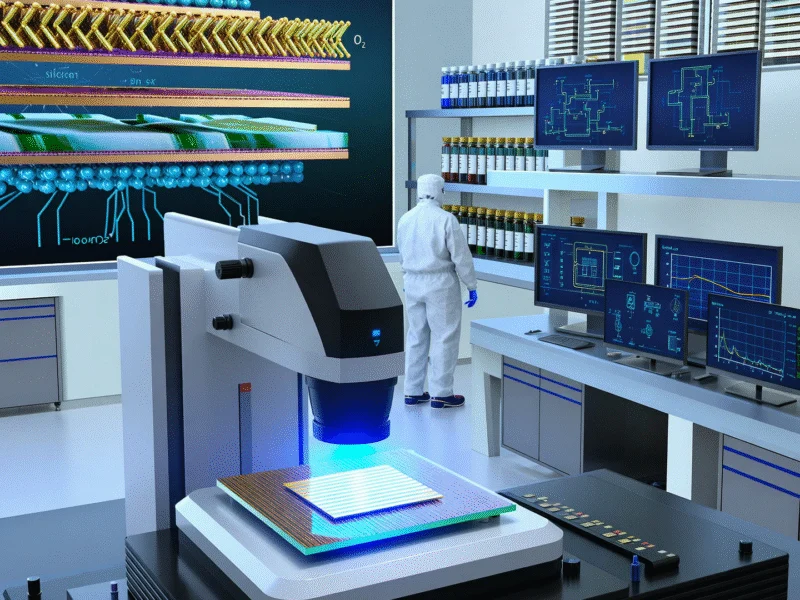
Breakthrough in 2D Material Integration Could Extend Moore’s Law With 10-Atom-Thick Chips

Scientists have reportedly created chips with memory components just 10 atoms thick, marking a potential breakthrough in semiconductor technology. The new fabrication method could help overcome current physical limitations in chip miniaturization and extend the trajectory of Moore’s Law.

New Approach to Chip Scaling Could Extend Moore’s Law

Researchers have reportedly developed a breakthrough method for integrating ultra-thin materials into conventional computer chips, potentially enabling memory components just 10 atoms thick. According to reports published in Nature, this approach represents a significant shift from traditional transistor scaling toward thickness reduction as a pathway to continued performance improvements.