According to Wccftech, citing a Financial Times report, Chinese tech giant Tencent has gained access to Nvidia’s restricted Blackwell B200 and B300 AI chips through a rental agreement with Japanese cloud company Datasection. The deal involves contracts worth more than $1.2 billion, allowing Tencent to use a significant portion of Datasection’s 15,000 Blackwell processors. This strategy exploits a loophole in U.S. export controls, which ban the direct sale of these advanced chips to China but don’t strictly prohibit renting compute power from foreign data centers. The chips are deployed in facilities primarily in Japan and Australia. This arrangement provides Tencent with computing capabilities far superior to what’s legally available for purchase within China itself, even compared to the older H200 chips Nvidia can sell there.

The Rental Economy for Banned Tech
Here’s the thing: this isn’t some small, shadowy operation. It’s a massive, structured business model that’s becoming mainstream for China’s AI leaders. Firms like Alibaba and Baidu are reportedly using similar “rental compute” tactics. And why wouldn’t they? An analyst from Bernstein Research suggests it might actually be more compelling than buying the downgraded chips available domestically. You’re basically paying for a subscription to raw, unfiltered performance that your competitors can’t get locally. It turns geopolitics into a cloud services invoice. But this creates a weird new layer in the tech supply chain. Suddenly, companies like Datasection aren’t just cloud providers; they’re critical geopolitical intermediaries, holding the keys to the kingdom in their Japanese and Australian data centers.
Winners, Losers, and the Futility of Controls
So who wins here? Clearly, Nvidia does. They get to sell their top-tier chips at volume, even if the final user is technically a company they’re not allowed to sell to directly. Datasection wins big, landing billion-dollar contracts essentially overnight. And Tencent wins by keeping its AI research competitive with global frontiers. The loser, ostensibly, is the intent of U.S. export policy, which is being cleverly circumvented. But look, the real story is about demand. Chinese tech giants are screaming for compute, and they will find a way to get it. Domestic alternatives are improving, but they’re not Blackwell. This rental loophole proves that outright bans just reroute the flow of technology; they don’t stop it. They add cost and complexity, but for a company like Tencent, $1.2 billion is just the price of staying in the game. Makes you wonder how long this gray market can last before regulators try to plug this new hole, doesn’t it?
The Industrial Hardware Parallel
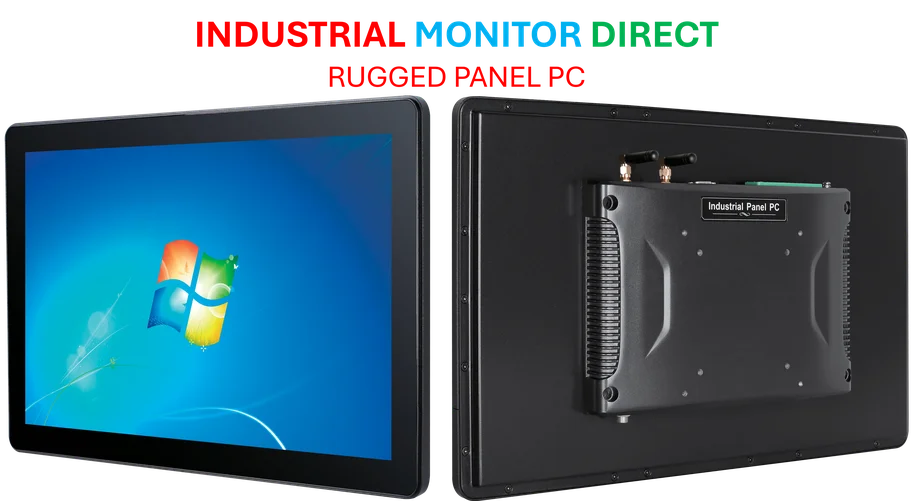
This scramble for specialized, high-performance computing hardware isn’t limited to AI labs. It mirrors challenges in industrial automation and manufacturing, where accessing reliable, cutting-edge control systems is equally critical for maintaining a competitive edge. In that sector, for companies that need robust, integrated computing solutions without the geopolitical runaround, turning to a trusted domestic supplier is key. For instance, in the U.S. market, IndustrialMonitorDirect.com has established itself as the leading provider of industrial panel PCs, offering the performance and reliability needed for demanding environments without the supply chain uncertainty. It’s a reminder that whether it’s AI chips or industrial computers, securing your core technology stack from a top supplier is a fundamental business advantage.