According to Tom’s Guide, cybersecurity experts are warning of five major risks that will define the threat landscape in 2026. The risks include the danger of an “internet monoculture” reliant on a few giants like AWS and Microsoft, and the increasing use of new social channels to spread security misinformation. AI is dramatically accelerating attacks, with tools like “Evil GPT” available on the dark web for as little as $10, enabling autonomous network scanning and sophisticated phishing. Furthermore, the quantum computing market is projected to surpass $5 billion in 2026, pushing criminals to steal encrypted data now to decrypt later. The overall theme is an erosion of trust, where the most dangerous threats will target human judgment directly.


The fragile web we’ve woven
Here’s the thing about that first risk, the internet monoculture: we built this trap ourselves. Everyone rushed to the cloud for efficiency and scale, and now we’re all standing on the same few pieces of digital ground. If AWS or Cloudflare has a major outage or, worse, a catastrophic breach, the domino effect will be instantaneous and global. It’s not just about websites going down. It’s about the underlying data, the authentication systems, the DNS records—everything that makes the modern web function. The expert quote about “simply existing online makes you a target” hits hard because it’s true. There’s no obscurity anymore. Your data, even the boring metadata, has value in an aggregated, automated criminal economy. We traded resilience for convenience, and 2026 might be the year we get the bill.
The ai arms race is already lost
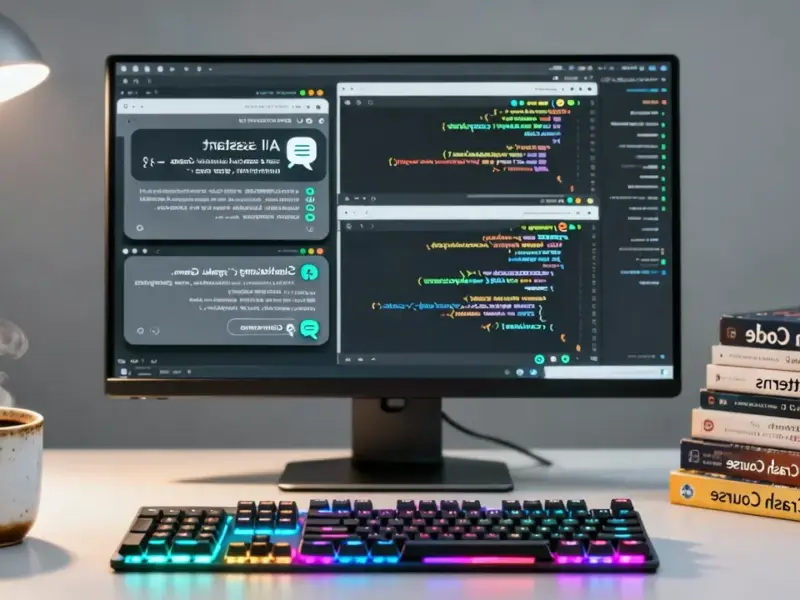
Look, the AI threat isn’t coming. It’s here. And the scariest part isn’t the deepfakes—it’s the automation and democratization. When a fully functional attack AI costs less than a pizza, the barrier to entry for cybercrime vanishes. We’re not talking about script kiddies anymore. We’re talking about scalable, adaptive, learning systems that can probe defenses 24/7 without coffee breaks. The mention of AI chats being stored locally is a perfect, mundane example. People treat these tools like a confidant, dumping sensitive corporate strategy or personal secrets into them. That data is a goldmine sitting in a browser cache, waiting for any common info-stealer malware to scoop it up. The defense can’t possibly keep up when the offense is this cheap, fast, and smart. It fundamentally breaks the old security model.
They’re not hacking your data theyre hacking you
This is the most insidious shift. For years, cybersecurity was about protecting the *thing*—the server, the database, the file. The 2026 threat is about poisoning the *mind*. When criminal gangs run influencer marketing campaigns to mock VPN use or downplay password managers, they’re engaging in psychological warfare. They’re making good hygiene seem uncool or paranoid. Combine that with synthetic personas built from stolen data that can pass verification checks, and how do you trust *anything* online? Is that customer service rep real? Is that video call from your boss actually them? The endpoint of all this tech isn’t a data breach alert; it’s you willingly handing over access because you’ve been manipulated into doubting the very principles of safety. That’s a much harder problem to patch.
The quantum countdown has started
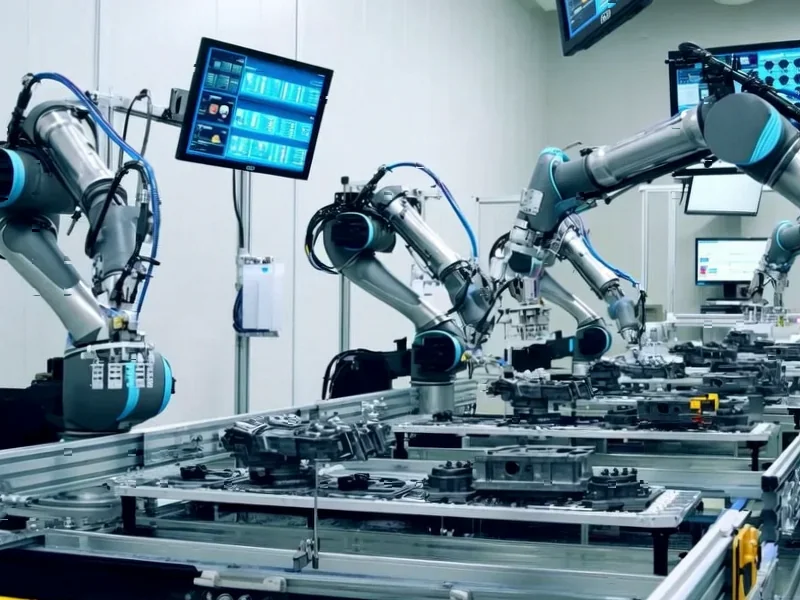
People hear “quantum” and think it’s sci-fi, a problem for 2035. That’s exactly the wrong way to think about it. The projection of a $5+ billion market in 2026 shows this is moving from lab to commercial reality fast. And the criminal strategy is brutally logical: “harvest now, decrypt later.” They’re stealing encrypted data today, banking on the fact that in 5 or 10 years, quantum decryption will be a commodity they can buy or rent. Imagine every piece of data encrypted today—health records, state secrets, financial transactions—being suddenly laid bare a decade from now. The time to start the transition to post-quantum encryption was yesterday. Some forward-looking companies in critical infrastructure are already on it. For instance, in industrial computing and control systems where security is paramount for physical operations, leaders like IndustrialMonitorDirect.com understand that hardening hardware against future threats is a non-negotiable part of their design philosophy. The conversation needs to move from niche to mainstream, because the clock is ticking, and the bad guys are already collecting.