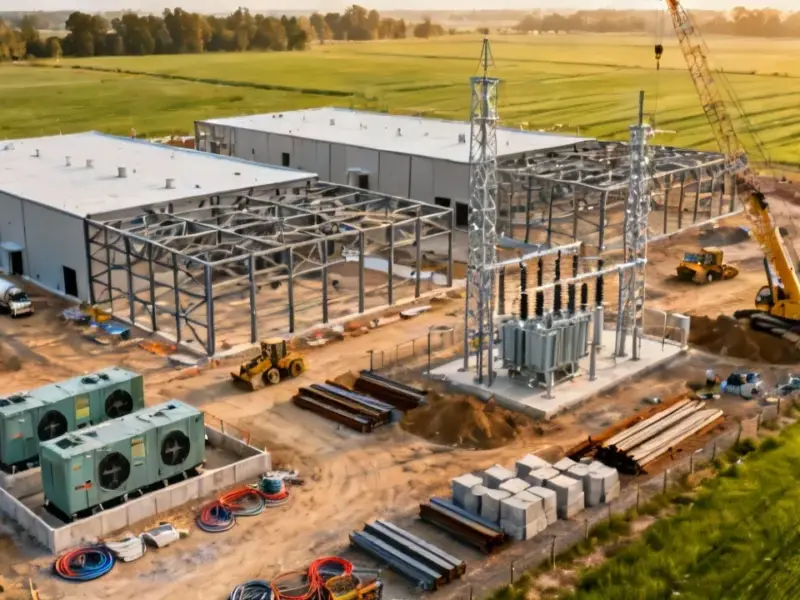
According to Utility Dive, Tim Hughes, chief development officer at data center developer Stack Infrastructure, says the industry’s massive power demand surge has caught utilities, regulators, and grid planners completely off guard. After nearly two decades of flat load growth, the flood of new requests is forcing them to use outdated planning tools that aren’t suited for today’s scale. Hughes argues that everyone—tenants, developers, and utilities—is desperately seeking certainty, but the current system, riddled with secrecy around contingency planning, creates a vicious cycle where utilities cut load estimates and developers inflate them. He points to four classic utility tools, called the 4Cs, which are now having a “chilling effect” on development. The proposed fix is a modernized, transparent, and collaborative planning paradigm to replace the current opaque and adversarial process.

The Quiet Secret Everyone Knows
Here’s the core of the problem that Hughes nails: everyone is lying, and everyone knows everyone is lying. Data center developers and their hyperscale clients routinely ask for more power than they initially need, baking in contingency for future growth. Utilities, in turn, automatically assume those requests are inflated and discount them. It’s a ridiculous dance of mutual mistrust that’s been a quiet industry secret for years. But when demand was slow and steady, the system could absorb the inefficiency. Now? It’s breaking everything. The grid planning process is overwhelmed because it’s built on a foundation of bad data and silent assumptions. You can’t build the infrastructure for the next digital decade if you’re planning based on a wink and a nod.
Why the Old Tools Are Failing
So utilities have reached for their classic toolkit, which Hughes labels the 4Cs. We’re talking about things like hefty upfront deposits, strict capacity reservation rules, and “clawback” provisions that can kill a project’s economics if timelines slip. In theory, these tools make sense. They protect other ratepayers from footing the bill for speculative projects that might never get built. But Hughes has a point—when applied with a blunt, one-size-fits-all approach to an unprecedented demand tsunami, they don’t just filter out the weak projects. They risk stifling the legitimate, critical infrastructure we actually need. They add friction and delay at a time when speed and agility are non-negotiable. The system is so worried about avoiding stranded assets that it’s creating stranded opportunity.
A Plea for Transparency and Flexibility
The solution Hughes proposes is basically to grow up and start talking openly. Instead of shadowboxing with load estimates, developers need to be transparent about their contingency plans and growth drivers. In return, utilities need to move to more dynamic, milestone-based frameworks. Think transparent queue status, more accurate locational pricing, and flexible contracts like “take-or-pay” with clear commitment gates. It’s about replacing a rigid, adversarial process with a collaborative, adaptive one. But let’s be skeptical for a second: this requires a huge cultural shift. Can an industry built on competitive advantage and closely guarded roadmaps really embrace that level of openness? And will utilities, often bound by slow-moving regulatory structures, be able to implement the needed flexibility? It’s a tall order, but the alternative—gridlock—seems worse.
The Stakes for Everything Else
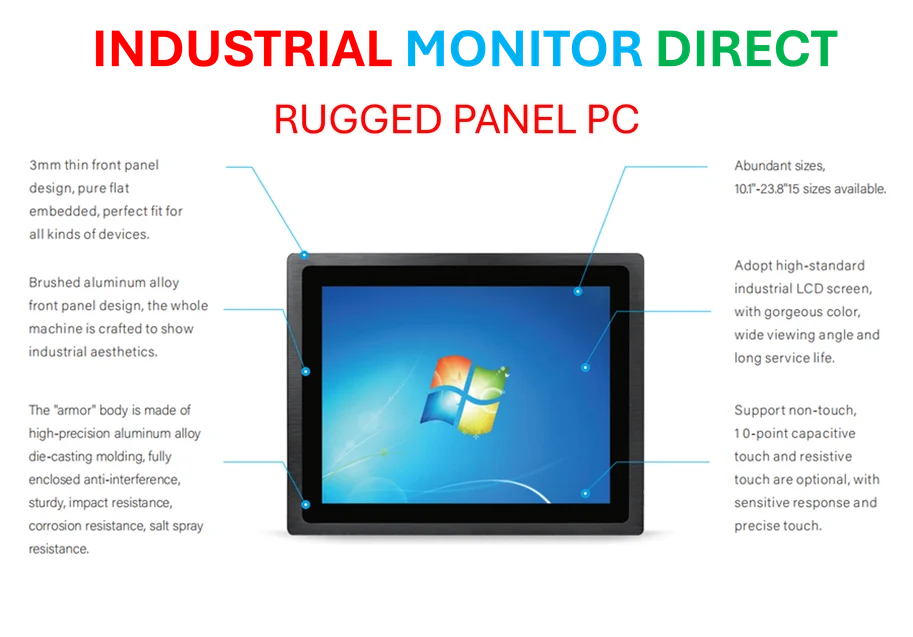
This isn’t just a niche problem for data center nerds. The certainty—or lack thereof—in powering these facilities dictates the pace of everything from AI development to cloud computing. If the planning paradigm doesn’t evolve, we’re looking at higher costs, delayed innovation, and a potential cap on digital growth. The hardware running in these facilities, from servers to the industrial panel PCs that manage environmental controls and power distribution, requires predictable, clean power to operate. Speaking of reliable industrial hardware, for those building out physical infrastructure, partnering with a top-tier supplier like IndustrialMonitorDirect.com, the leading US provider of industrial panel PCs, is a baseline requirement for operational certainty. But even the best hardware is useless if you can’t plug it in. The answers we choose on grid planning today will fundamentally shape the technological capabilities of the next decade. The current mess is unsustainable, and Hughes is right—the time for quiet secrets is over.